Find Brand-Name Baby Gear Online and Save Hundreds
Master the art of buying cheap baby gear online and save nearly $800 on brand-name products like Stokke and Baby Bjorn.
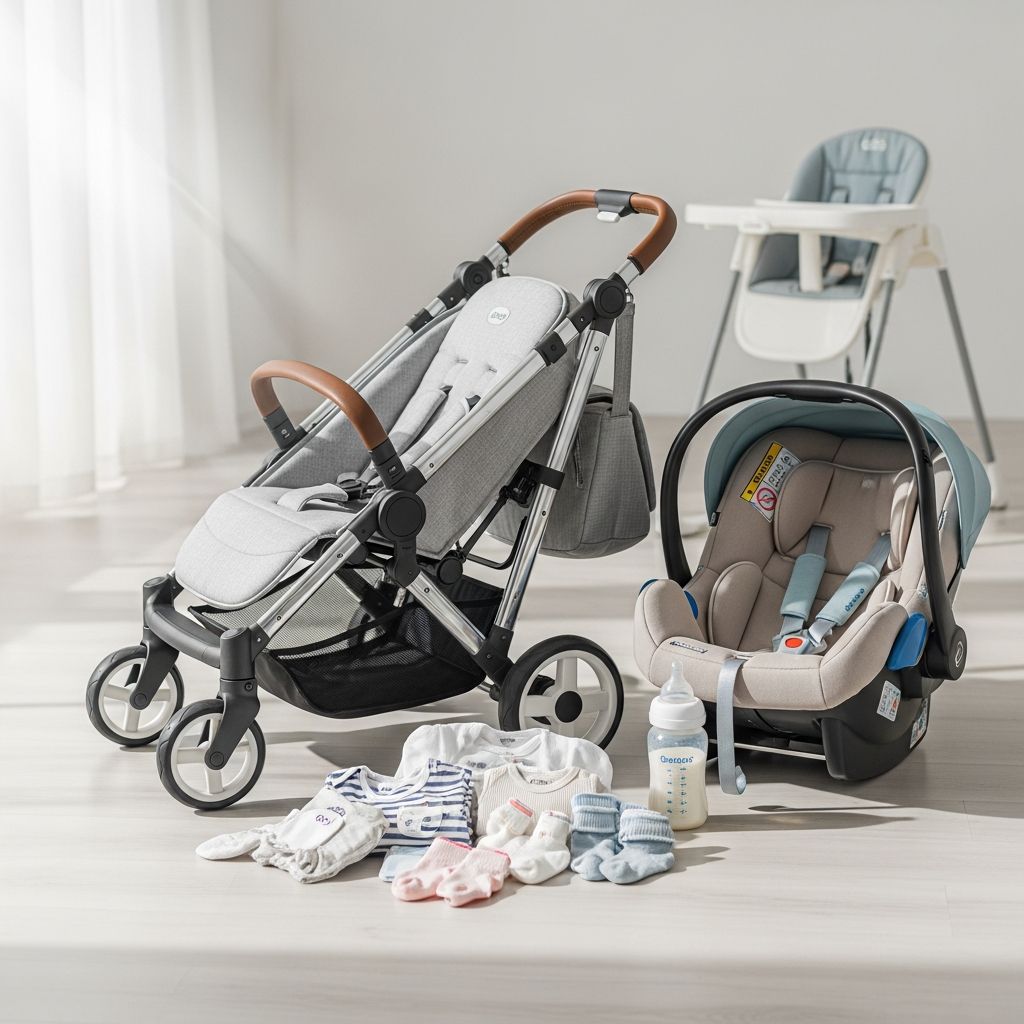
Preparing for a new baby is one of life’s most exciting milestones, but it comes with a significant financial challenge. The cost of essential baby items can quickly spiral into thousands of dollars, leaving new parents anxious about their budgets. However, with strategic planning and knowledge of where to shop, it’s entirely possible to find high-quality, brand-name baby products at a fraction of their retail prices.
One mother’s experience demonstrates just how much can be saved through smart shopping. After spending considerable money on her first child’s gear, she approached her second pregnancy differently. By utilizing second-hand marketplaces and strategic shopping techniques, she managed to purchase all her must-have baby items for just $310 — saving nearly $800 compared to buying everything new at full retail price.
The Reality of Baby Product Costs
The journey to parenthood often begins with overwhelming sticker shock. New parents quickly discover that seemingly small items add up rapidly. A quality stroller can cost $300 or more, a reliable bassinet might run $350, and specialized carriers, bouncers, and other essentials easily push the total into the thousands.
For environmentally conscious parents, the pressure intensifies. The desire to purchase eco-friendly, BPA-free, phthalate-free, and non-toxic products often comes with premium price tags. Major brands like Stokke, Baby Bjorn, and Ubbi are known for their quality and safety features, but their retail prices can be prohibitive for budget-conscious families.
The good news is that many baby products are suitable for second-hand purchase. Unlike some items that wear out quickly or pose safety concerns when used, quality baby gear often has a long functional life and can be purchased safely from previous owners who no longer need them.
Where to Find Cheap Baby Stuff
Facebook Marketplace: Your Primary Hunting Ground
Facebook Marketplace has emerged as one of the most reliable sources for finding affordable, gently-used baby products. The platform’s accessibility and local focus make it ideal for baby gear shopping. You can browse items in your area, communicate directly with sellers, and often arrange convenient pickup times.
One significant advantage of Facebook Marketplace is the ability to negotiate prices. Many sellers are willing to accept offers below their asking price, especially if you express genuine interest and commitment to purchasing. This negotiation aspect can lead to substantial savings on individual items.
Craigslist and Other Online Marketplaces
Craigslist remains a valuable resource for finding baby products at discounted prices. The platform attracts sellers in every geographic area, providing numerous options for comparison shopping. Local pickup eliminates shipping costs, and you can often inspect items in person before committing to a purchase.
Beyond Craigslist and Facebook Marketplace, other online platforms offer opportunities for savings. Local Buy Nothing groups on Facebook connect neighbors who are giving away or selling items, often at minimal costs. Community-based sharing sites provide additional avenues for finding quality baby gear at reduced prices.
Retail Return Sections and Open-Box Items
Many retail chains, including Buy Buy Baby, maintain return sections where customers can purchase open-box items, display models, and returned products at significant discounts. These items are typically in excellent condition, having been used minimally or not at all. Retail employees can direct you to these sections, which vary by location.
Open-box items offer a middle ground between new and used purchases. They often come with the original documentation and sometimes retain their original packaging. Savings on these items can range from 20 to 50 percent off retail price, depending on the product and reason for return.
Smart Shopping Strategies for Maximum Savings
Research and Compare Prices
Before making any purchase, research the retail value of the items you’re seeking. Understanding the original price helps you evaluate whether a second-hand deal is genuinely worthwhile. Many sellers price their used items based on current retail prices, while others may not be aware of actual market values.
Spend time comparing prices across different sellers and platforms. The same item may be listed at varying prices by different sellers. Diligent searching can reveal better deals. In one documented case, finding an alternative seller for a bassinet resulted in savings of $289 compared to the first available option — a testament to the value of persistence in price hunting.
Practice Negotiation Tactics
Don’t hesitate to make offers below asking prices on items purchased through Facebook Marketplace or Craigslist. Many sellers expect negotiation and have built it into their initial asking price. A reasonable offer, presented respectfully, often results in a lower final price.
When negotiating, consider factors such as the item’s condition, market availability, and how long it has been listed. Items that have been available for weeks may motivate sellers to accept lower offers. Building rapport with sellers through polite communication increases the likelihood of successful negotiation.
Be Strategic About What to Buy Used
Not all baby products are equally suited for second-hand purchase. Items with excellent durability and minimal wear, such as bouncers, carriers, bath tubs, and bassinets, are ideal for buying used. These products don’t degrade significantly with use and pose minimal safety concerns when purchased from reputable sellers.
Conversely, some items may be better purchased new. Mattresses, car seats with unknown accident history, and items with electronics that may fail should typically be bought new to ensure safety and reliability. Always research which products are safe to buy used before making purchases.
Real-World Savings Examples
Baby Bjorn Products: Significant Savings
Baby Bjorn is known for premium-quality baby carriers and bouncers. One shopper found a Baby Bjorn Balance Bouncer on Facebook Marketplace for $40, compared to its retail value of $168.99. This single purchase resulted in savings of over $128. Remarkably, this deal included the Googly Eye Toy Bar, which retails for $59.99 separately.
Another Baby Bjorn Carrier Original in Dark Blue was purchased for just $10 on Facebook Marketplace, despite its $79.99 retail value. The item was in excellent condition with no stains or tears, representing a 87.5% discount off the retail price.
Specialty Items and Unique Finds
The Ubbi Diaper Pail, valued at $69.99 retail, was purchased for $25 through Facebook Marketplace. This steel diaper pail aligns with eco-conscious parenting goals by avoiding plastic and BPA products while remaining affordable through second-hand purchase.
A Primo Infant Bath Tub, retailing for $24.99, was negotiated down to $10. Bath tubs represent ideal items for second-hand purchase since they are durable, don’t contain electronics, and are easily sanitized before use.
The Ultimate Deal: Bassinets and Cradles
The largest savings in this shopping journey came from purchasing a Baby Bjorn Cradle, which retails for $349. The shopper initially found one for $200 through Facebook Marketplace, a respectable $149 discount. However, by continuing to search, a second option became available for $80. This persistence resulted in total savings of $269 on a single item.
Bassinets and cradles are particularly good candidates for second-hand purchase. They are durable, not subject to recalls or safety issues related to age, and are only needed for a limited period. Buying these items used can reduce costs by 70-80% while maintaining full functionality.
Total Savings Breakdown
By utilizing second-hand markets and strategic shopping, one family reduced their baby gear expenses from a potential $1,122 in retail costs to just $310 in actual spending. This represents a savings of $812 — money that could be directed toward diapers, formula, childcare, or other essential expenses.
The time investment required for this level of savings was modest. A few hours of online searching combined with occasional in-store visits resulted in nearly $800 in savings. For most families, this represents a worthwhile investment of effort that pays substantial dividends.
Additional Money-Saving Strategies
Join Baby Registries for Free Gifts
Many companies offer free welcome boxes or gift sets when you create a registry with them. Amazon offers a 15% baby registry discount starting 60 days before your due date. Babylist provides a free Hello Baby Box when you create a registry and make a minimum $30 purchase, with items like bibs, diapers, wipes, hats, pacifiers, and bottles.
Utilize Rewards Programs
Pampers Rewards allows parents to scan product codes and earn points redeemable for cash back, gift cards, and free baby gear. The Pampers mobile app also provides money-off coupons just for downloading and signing up.
Explore Local Resources
Local Facebook groups, Buy Nothing Project groups, garage sales, and community programs offer opportunities to find free or heavily discounted baby items. Pediatrician offices often have product samples available for patients. Building connections in your local parent community can provide access to hand-me-downs and shared resources.
Important Considerations When Buying Used Baby Gear
Inspect Items Thoroughly
Always request detailed photos from sellers showing all angles of items you’re considering. Ask specific questions about condition, age, and usage. Whenever possible, inspect items in person before completing a purchase. Check for stains, tears, missing pieces, and functionality of any mechanical components.
Verify Safety and Recalls
Research product recalls through official government sources before purchasing. Some items may have been recalled due to safety concerns, making them unsuitable for purchase regardless of price. This is particularly important for items involving structural integrity or small parts that could pose choking hazards.
Avoid Temptation Spending
While second-hand shopping offers excellent deals, it’s important to purchase only items you genuinely need. The affordability of used goods can tempt parents to buy unnecessary items simply because of the low price. Maintain focus on your actual needs and avoid accumulating excess baby products.
Frequently Asked Questions
Q: Is it safe to buy baby products second-hand?
A: Most baby products are safe to purchase second-hand. Items like carriers, bouncers, bassinets, and bath tubs are durable and pose no safety concerns. However, car seats and items with unknown accident history should typically be purchased new. Always check product recalls and inspect items carefully before purchasing.
Q: How much can I realistically save by buying used baby gear?
A: Real-world examples show savings ranging from 50% to 87% on individual items. One family saved nearly $800 by purchasing most baby essentials through second-hand sources instead of buying everything new at retail prices.
Q: What items are best to buy second-hand?
A: Bouncers, carriers, bassinets, cradles, bath tubs, high chairs, and play yards are all excellent choices for second-hand purchase. These items are durable and don’t deteriorate significantly with normal use.
Q: Where should I avoid buying used baby products?
A: Avoid purchasing used car seats (unless purchased directly from manufacturers with documentation), mattresses, items with electronic components that may fail, and anything with a known recall history. These items warrant the investment in new products for safety and reliability.
Q: How can I negotiate prices on second-hand baby items?
A: Make reasonable offers below asking prices, explain your interest in the product, and be polite in your communication. Many sellers expect negotiation. Items listed for extended periods are more likely to result in successful price negotiations.
Q: Should I join baby registries even if I’m buying most items second-hand?
A: Yes, joining registries is worthwhile even when shopping second-hand. Many companies offer free welcome boxes, gift sets, and percentage discounts on full-price purchases, which can offset costs on items you do buy new.
Conclusion: Smart Shopping for New Parents
Preparing for a new baby doesn’t require spending thousands of dollars on brand-name products at full retail price. By leveraging second-hand marketplaces like Facebook Marketplace and Craigslist, exploring retail return sections, and implementing strategic shopping techniques, parents can provide their children with high-quality, safety-tested products while maintaining reasonable budgets.
The effort required to find these deals is minimal relative to the savings achieved. A few hours of searching can result in nearly $800 in savings — money better spent on diapers, formula, childcare, or other essential expenses. By combining second-hand purchases with free welcome boxes from retailers, rewards programs, and community resources, parents can create a well-equipped nursery on a fraction of the typical budget.
The key to success is being intentional about purchases, patient in your searching, willing to negotiate, and persistent in finding the best deals. With these strategies in place, welcoming a new baby becomes a financially manageable milestone rather than a source of financial stress.
References
- Here’s How I Found Cheap Baby Stuff (And Saved Almost $800) — The Penny Hoarder. 2025. https://www.thepennyhoarder.com/save-money/cheap-baby-stuff/
- Free Baby Stuff for Expecting Mothers in 2025 (38 Freebies & Deals!) — The Penny Hoarder. 2025. https://www.thepennyhoarder.com/save-money/free-baby-stuff/
- Budgeting for a Baby: An Ultimate Guide for New Parents — The Penny Hoarder. 2025. https://www.thepennyhoarder.com/budgeting/budgeting-for-a-baby/
- New Baby? 31 Ways to Save Money on Diapers, Clothes and More — The Penny Hoarder. 2025. https://www.thepennyhoarder.com/save-money/new-baby-save-money/
Similar Articles








Read full bio of Sneha Tete