Financing Used Cars from Private Sellers
Complete guide to obtaining financing for private vehicle purchases
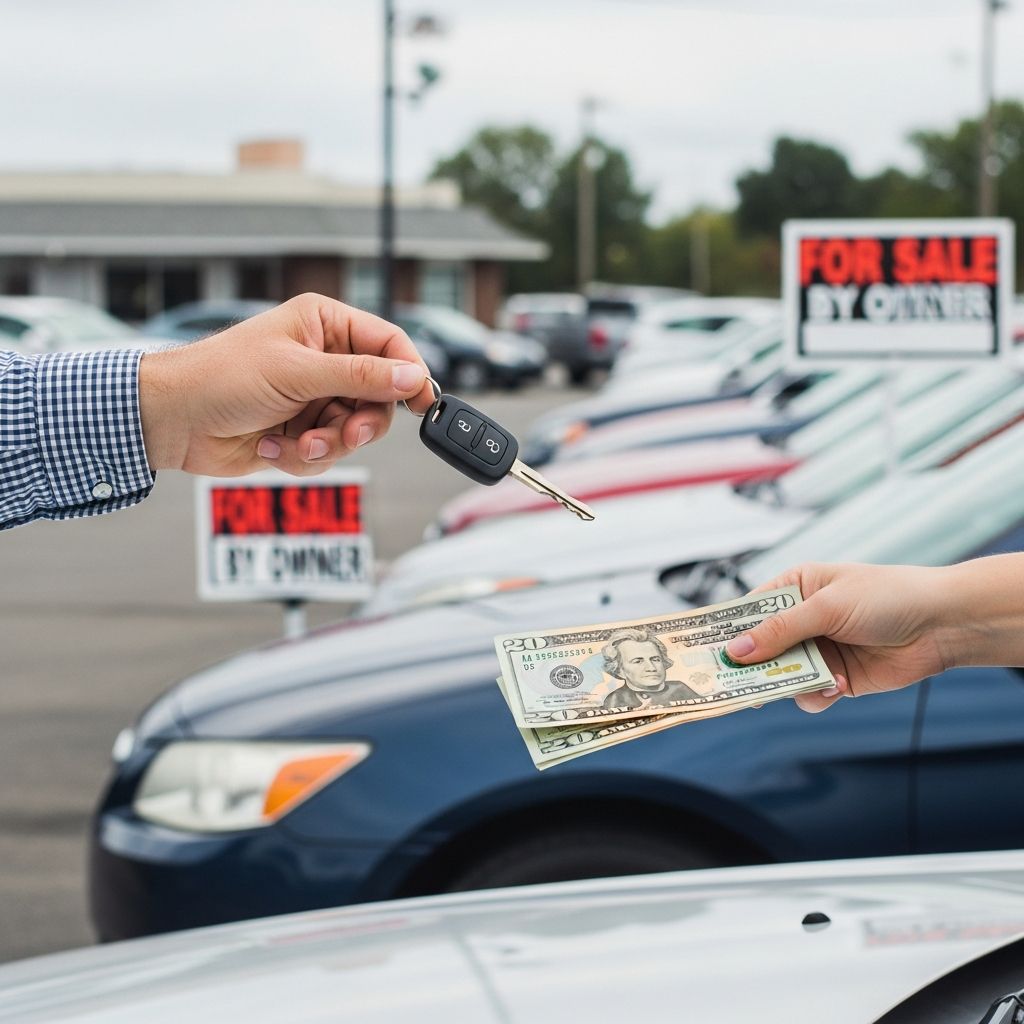
When you decide to purchase a vehicle from an individual rather than through a dealership, you’re entering the world of private party transactions. Unlike traditional auto financing where a dealer handles much of the process, buying directly from another person requires a different approach—one that involves securing your own financing through what’s known as a private party auto loan. This type of financing arrangement has become increasingly accessible through banks, credit unions, and other lending institutions.
What Defines a Private Party Auto Loan?
A private party auto loan represents a direct lending arrangement between you and a financial institution to fund the purchase of a vehicle from an individual seller. Rather than having a dealership arrange your financing, you work directly with the lender throughout the process. This arrangement differs fundamentally from traditional dealer financing in several important ways.
The vehicle itself serves as collateral for the loan, making it a secured loan arrangement. This means the lender has a legal claim on the car until you’ve repaid the full loan amount. If you fail to make payments, the lender retains the right to repossess the vehicle. The loan charges interest as an annual percentage rate (APR), and you’ll repay the borrowed amount over a predetermined term, typically ranging from 12 to 84 months.
The Mechanics Behind Private Party Financing
Understanding how private party auto loans function is crucial before pursuing this financing option. The process involves several distinct steps that differ slightly from traditional auto purchases.
Once you’ve identified a vehicle you wish to purchase and have been approved for financing, your lender manages the fund disbursement process. If the seller still owes money on the vehicle through their own lender, your lender will first pay off that existing loan balance directly to the seller’s lender. This step is essential because it clears the lien on the vehicle, allowing you to receive a clean title with no outstanding claims against it. After the seller’s loan is satisfied, any remaining funds from your loan are disbursed either directly to the seller or provided to you in check form that you can endorse to the seller.
Your lender then becomes the lienholder on the vehicle title. They maintain this position until you’ve completely paid off your loan. You’ll be required to send the title to your lender, and they’ll hold it securely until the final payment is made. Once the loan is satisfied, they’ll release the title to you, giving you complete ownership of the vehicle.
Qualification Standards and Credit Considerations
Financial institutions evaluate private party auto loan applicants using criteria similar to those applied for traditional auto financing. Your creditworthiness plays a significant role in determining approval and interest rate eligibility.
Lenders examine your credit history to assess your track record of managing debt and making timely payments. Your overall financial profile—including income stability, existing debts, and monthly financial obligations—influences approval decisions. The specific vehicle you intend to purchase also factors into the evaluation, as lenders consider the car’s value, age, and condition.
Applicants with excellent credit typically qualify for the most favorable interest rates, while those with fair or poor credit may still receive approval but at higher rates. The vehicle’s characteristics matter because lenders prefer financing vehicles that hold their value better and are less likely to depreciate significantly during the loan term.
Key Requirements for Private Party Auto Loan Applications
When applying for a private party auto loan, you’ll need to compile various documents and information to submit to your lender.
Personal Information Requirements
- Full legal name and date of birth
- Current residential address
- Social Security number
- Contact information including phone number and email
- Employment history and current employer details
- Annual income and income verification documents
- List of current debt obligations, including mortgage or rent payments, credit card balances, and other loans
Vehicle-Specific Documentation
- Vehicle identification number (VIN)
- Make, model, and year of the vehicle
- Current mileage
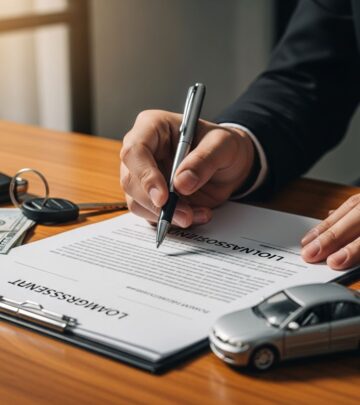
- Bill of sale or purchase agreement detailing transaction terms
- Copy of the vehicle’s title and registration documents
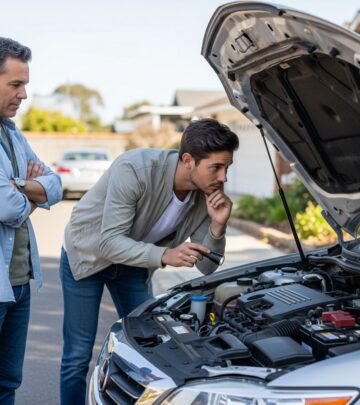
- Inspection reports or vehicle history reports when available
- Written payoff quote from the seller’s lender if the vehicle still has an outstanding loan
The Application and Approval Process
The journey toward securing a private party auto loan involves several sequential steps that you’ll navigate with your chosen lender.
Step One: Vehicle Selection and Evaluation
Unlike dealer financing where you can sometimes get pre-approved before shopping, private party auto loan applicants must typically identify their desired vehicle before formally applying. Once you’ve found a vehicle and negotiated a purchase price with the seller, you’re ready to move forward with the financing process.
Step Two: Submitting Your Application
You can submit your application through multiple channels depending on your lender’s capabilities. Many institutions now offer online applications that you can complete from home, while others may require in-person visits to a local branch or completion over the phone. During the application process, you’ll provide your personal information, employment and income details, and information about the vehicle.
Step Three: Lender Review and Verification
After you submit your application, the lender reviews your financial information and conducts a credit check. They may request additional documentation to verify your income or employment. If the vehicle you’re purchasing still has an outstanding loan, the lender will obtain a payoff quote from the seller’s lender to ensure they have accurate information about the amount needed to clear the existing lien.
Step Four: Loan Approval and Fund Disbursement
Upon approval, your lender arranges fund disbursement. If there’s an existing loan on the vehicle, payment flows first to the seller’s lender. The remainder then goes to you or the seller as arranged. The lender will specify exactly how funds will be delivered—whether as a check to the seller, a check to you for endorsement to the seller, or a direct payment arrangement.
Insurance Requirements and Coverage
Before or immediately after loan approval, you must secure appropriate auto insurance coverage. Most lenders require full coverage insurance, which includes collision, comprehensive, and liability protection. Collision insurance covers damage to your vehicle from accidents, comprehensive coverage protects against theft and weather damage, and liability insurance covers damages you cause to others.
If you already maintain an active auto insurance policy, adding the newly purchased vehicle may be a simple process with your current insurer. However, if you’re obtaining your first policy, you’ll need to contact insurance providers, obtain quotes, and secure a policy before completing the vehicle purchase or shortly thereafter.
Completing the Transaction and Title Transfer
The final stages of purchasing a vehicle from a private party involve several administrative steps that finalize the sale.
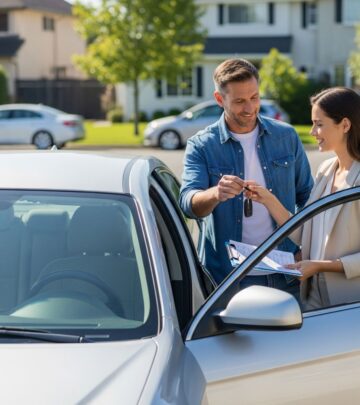
Once you’ve received payment from your lender or presented your check to the seller, the seller must sign over the vehicle title to you. This critical document transfer is necessary to establish your ownership. You’ll then need to register the vehicle in your name with your state’s Department of Motor Vehicles or equivalent agency. This registration process typically requires presenting the signed title and proof of insurance.
The signed title is then sent to your lender, who holds it as security for the loan. Different states have varying requirements for title transfer and registration, so checking with your local motor vehicle department ensures you complete all necessary steps correctly.
Advantages and Disadvantages of Private Party Financing
| Advantages | Disadvantages |
|---|---|
| Potential purchase price savings compared to dealer pricing | Higher interest rates than traditional auto loans |
| Access to broader selection of vehicles | Limited availability of private party loans from lenders |
| Direct negotiation with seller on price and terms | Responsibility for vehicle inspection and history verification |
| Flexibility in choosing loan terms and lenders | No dealer warranty or assistance with issues |
| Lower dealer markup on vehicle cost | More paperwork and administrative requirements |
Finding Lenders Who Offer Private Party Financing
Not all financial institutions offer private party auto loans, so you’ll need to identify which lenders in your area provide this service. Traditional banks often have auto loan departments that may offer private party financing. Credit unions frequently specialize in these types of loans for their members and sometimes extend services to non-members. Online lenders and fintech companies have expanded the availability of private party auto loans in recent years, providing additional options for borrowers.
When comparing lenders, request loan estimates from multiple sources to compare interest rates, terms, and any associated fees. Some lenders may charge origination fees, prepayment penalties, or other costs that affect your total borrowing expense.
Special Considerations for Bad Credit Borrowers
Applicants with poor or fair credit scores can still qualify for private party auto loans, though they typically face higher interest rates than borrowers with excellent credit. Demonstrating stable employment and income, making a substantial down payment, or having a creditworthy co-signer can improve approval chances and potentially lower your interest rate. Some lenders specialize in working with bad credit borrowers and may be more willing to take on the additional risk.
Common Questions About Private Party Auto Loans
Is a private party auto loan necessary when buying from an individual?
No. Private party auto loans are one financing option, but not the only path. Buyers with sufficient cash savings can purchase vehicles outright without any financing. Personal loans from lenders or credit cards can also fund private purchases. Borrowing from family or friends represents another alternative, though this requires careful consideration of personal relationships and clear payment terms.
What’s the maximum loan amount available?
Private party auto loans can theoretically finance 100% of a vehicle’s sale price, meaning you could borrow the entire purchase amount without a down payment. However, many lenders are reluctant to offer 100% financing on used vehicles due to depreciation risk. Some may require a down payment or may limit loan amounts to a percentage of the vehicle’s assessed value. Discussion with your lender about their specific policies is essential.
How do loan terms compare across lenders?
Loan terms—the length of time you have to repay the borrowed amount—typically range from 12 to 84 months. Shorter terms mean higher monthly payments but less total interest paid. Longer terms reduce monthly obligations but increase total interest costs. Your creditworthiness, income level, and the lender’s policies all influence which terms you’ll qualify for.
What happens if the seller still owes money on the vehicle?
This situation is handled smoothly by your lender. They’ll obtain a payoff quote from the seller’s existing lender and ensure that loan is paid off from your loan proceeds before you take possession of the vehicle. This process protects you by ensuring you receive a clean title with no other lender’s claim on the vehicle.
Moving Forward With Private Party Financing
Private party auto loans provide an accessible pathway to vehicle ownership when buying directly from individuals. By understanding how these loans function, gathering necessary documentation, and selecting a suitable lender, you can successfully navigate the financing process. Whether you’re purchasing a vehicle from a friend, a private seller found online, or someone in your community, private party auto financing opens doors to potentially significant savings and greater vehicle selection than traditional dealership purchases offer.
References
- How to Get a Car Loan for a Private Sale — Capital One Auto Navigator. https://www.capitalone.com/cars/learn/managing-your-money-wisely/how-to-get-a-car-loan-for-a-private-sale/
- Can You Get Auto Loans for Private Sales? — Consumers Credit Union. https://www.consumerscu.org/blog/can-you-get-auto-loans-for-private-sales-consumers-credit-union
- What Is a Private Party Auto Loan? — Experian. https://www.experian.com/blogs/ask-experian/what-is-private-party-auto-loan-and-how-to-get-one/
- What Is a Private Party Auto Loan? — SoFi. https://www.sofi.com/learn/content/private-party-auto-loan/
- What Is A Private Party Auto Loan? — Bankrate. https://www.bankrate.com/loans/auto-loans/private-party-auto-loan/
- Private Party Auto Loans – What They Are and How They Work — Bank of America. https://www.bankofamerica.com/auto-loans/private-party/
Similar Articles








Read full bio of medha deb