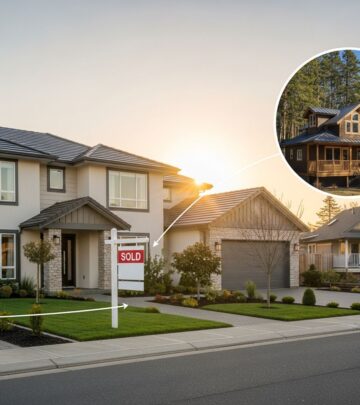
Second Home Mortgage: 5 Steps To Secure Financing
Discover essential steps, requirements, and strategies to secure a mortgage for your dream vacation property or retreat.

Acquiring a second home, whether for vacations, family gatherings, or future retirement, involves navigating specific mortgage requirements that differ from primary residence loans. Lenders impose stricter standards like larger down payments and robust financial reserves to mitigate risks associated with non-primary properties.
Reasons to Pursue a Second Residence
Owning an additional property extends beyond leisure; it serves multiple practical purposes. Many individuals seek these homes for seasonal escapes, providing a reliable getaway without hotel dependencies. Others view them as potential income generators through short-term rentals during off-periods. Families might use them to house aging relatives or grown children transitioning to independence. In volatile markets, these assets act as inflation hedges, with property values typically appreciating over time.
- Recreational retreats: Ideal for beach houses, mountain cabins, or lakeside cottages used sporadically throughout the year.
- Income supplementation: Rent out unused periods to offset carrying costs, though full-time leasing disqualifies it as a second home.
- Legacy planning: Create enduring family spaces for generations, fostering traditions and memories.
- Portfolio enhancement: Diversify investments with real estate that often outperforms other assets in stability.
Core Qualification Standards for Borrowers
To secure financing, applicants must demonstrate financial stability exceeding primary mortgage thresholds. Expect demands for superior credit profiles, manageable debt levels, and substantial liquid assets.
| Requirement | Typical Minimum | Notes |
|---|---|---|
| Credit Score | 640–680+ | Higher scores (700+) unlock better rates; lower scores need 25%+ down payments. |
| Down Payment | 10–25% | 10% for strong profiles; 20–40% if credit or DTI is marginal. |
| Debt-to-Income Ratio (DTI) | <45% | Preferably under 43%; high DTI offset by reserves or larger deposits. |
| Cash Reserves | 2–12 months | Covers mortgage payments; more required for weaker applications. |
Borrowers with imperfections in one area can compensate elsewhere. For instance, a 640 credit score paired with 25% down and six months’ reserves often suffices. Pre-approval clarifies personal benchmarks early.
Property Eligibility Criteria
Not every desirable property qualifies. Lenders scrutinize the home’s characteristics to ensure personal use intent rather than investment.
- Unit type: Limited to single-family dwellings; condos or multi-units may qualify under strict guidelines.
- Habitability: Must support year-round occupancy with proper utilities, heating, and cooling—no seasonal cabins without upgrades.
- Ownership: Exclusive borrower control; no timeshares, management firms, or long-term leases.
- Location: Reasonable distance from primary home, typically 50+ miles, to prevent daily commuting use.
- Usage proof: Owner must occupy periodically; rental income can’t factor into qualification but can aid payments post-purchase.
Down Payment and Funding Strategies
The 10% minimum down payment sets second home loans apart from primary options starting at 3%. Achieving 20% avoids private mortgage insurance (PMI), reducing monthly costs.
Short on savings? Tap primary home equity via cash-out refinance or HELOC. These convert built-up value into cash for deposits, though they introduce second liens and rate risks.
- Cash-out refinance: Replaces primary mortgage with larger one, extracting equity difference.
- HELOC: Revolving credit line against home value, flexible for phased withdrawals.
Both carry closing costs and potential rate hikes if primary payments strain budgets.
Interest Rates and Loan Comparisons
Second home rates trail primary mortgages slightly but beat investment property loans, reflecting moderate risk. In 2026, expect 0.5–1% premiums over first-home rates, influenced by credit and down payment size.
| Loan Type | Avg. Down Payment | Rate Premium | Key Use |
|---|---|---|---|
| Primary Residence | 3–20% | Baseline | Daily living |
| Second Home | 10–25% | +0.5–1% | Personal vacations |
| Investment Property | 15–25% | +1.5–2.5% | Rental income |
Conventional loans dominate, with jumbo options for high-value properties exceeding conforming limits.
Tax Implications and Deductions
U.S. tax code offers relief for second homes used personally. Deduct mortgage interest on up to $750,000 combined debt across residences ($375,000 per spouse filing separately). Property taxes are also deductible without home limits.
- Personal use: Full interest and tax deductions apply if rented ≤14 days/year (income tax-free).
- Mixed use: >14 days rental requires prorating expenses between personal/rental portions; report all income.
- Depreciation: Unavailable for personal second homes; reserved for rentals.
Consult IRS guidelines or professionals, as rules evolve (e.g., post-2017 Tax Cuts and Jobs Act).
Alternative Financing Pathways
Beyond standard mortgages, creative options suit varied needs:
- Home equity products: Leverage primary home without selling.
- Portfolio loans: Non-conforming from banks holding the loan, flexible for unique profiles.
- Credit union specials: Member-focused rates for second homes.
- Bridge financing: Short-term for transitions, like renovations forcing temporary moves.
Ongoing Costs and Risk Management
Beyond mortgage, budget for elevated insurance in hazard-prone areas, maintenance, utilities, and HOA fees. Vacant properties risk higher premiums or coverage gaps.
Market shifts amplify risks: liquidity challenges in selling second homes, interest rate sensitivity, and local economic ties. Stress-test affordability assuming 20–30% income drops or rental voids.
Steps to Secure Your Loan
- Assess readiness: Calculate DTI, reserves, and equity options.
- Shop lenders: Compare rates, terms from multiple sources.
- Get pre-approved: Locks rates, strengthens offers.
- Inspect property: Verify habitability and value.
- Close efficiently: Prepare docs for smooth appraisal/title processes.
Frequently Asked Questions
Can I use rental income to qualify?
No, lenders ignore projected rents for second homes, unlike investments. Post-purchase short-term rentals can help payments.
What’s the minimum distance from my primary home?
No universal rule, but typically 50–100 miles to affirm secondary status.
Are condos eligible?
Possible if owner-occupied and project-approved; stricter than single-family.
How much higher are rates?
Usually 0.5–1% above primary, varying by profile.
Does equity from my first home count?
Yes, via cash-out or HELOC for down payments.
Final Thoughts on Smart Acquisition
Second home mortgages demand preparation but reward with lifestyle enrichment and financial upside. Align purchase with long-term goals, crunch numbers rigorously, and engage experts to navigate nuances effectively. Thorough due diligence ensures this investment enhances rather than burdens your portfolio.
References
- Second Home Mortgage | Requirements & Guide 2026 — The Mortgage Reports. 2026. https://themortgagereports.com/21116/second-home-mortgage-qualify-for-vacation-residence
- Buying, Renting, and Selling a Second Home — Charles Schwab. 2023. https://www.schwab.com/learn/story/buying-renting-and-selling-second-home
- Buying a Second Home: What You Need to Know — PNC Insights. 2024. https://www.pnc.com/insights/personal-finance/borrow/buying-second-home.html
- Buying a Second Home—Tax Tips for Homeowners — TurboTax Intuit. 2024. https://turbotax.intuit.com/tax-tips/home-ownership/buying-a-second-home-tax-tips-for-homeowners/L5Mzc5URo
- Second Home Mortgage Rates — Navy Federal Credit Union. 2025. https://www.navyfederal.org/loans-cards/mortgage/mortgage-rates/second-home-financing.html
- Am I Ready to Buy a Second Home? — Global Credit Union. 2024. https://www.globalcu.org/learn/homeownership/second-home/
Similar Articles








Read full bio of medha deb