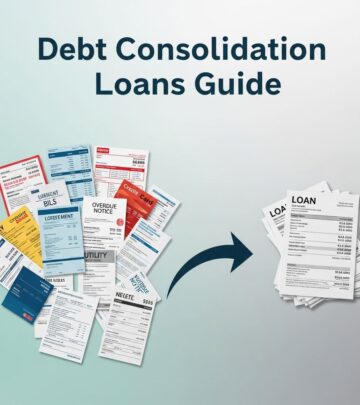
Financing Medical Debt with Loans
Explore smart strategies to secure loans for medical bills, improve credit health, and avoid common debt traps in 2026.

Medical expenses often catch people off guard, leading to substantial debt that can linger on credit reports and strain budgets. In 2026, personal loans emerge as a practical tool for consolidating these bills into a single, manageable payment with fixed interest rates. This approach can simplify finances and potentially lower overall costs compared to high-interest credit cards or deferred payment plans.
Why Medical Debt Demands Strategic Financing
Healthcare costs in the U.S. continue to rise, with average family premiums exceeding $20,000 annually according to recent federal data. Unpaid bills frequently enter collections, negatively impacting credit scores for up to seven years. Using a personal loan to pay off medical debt transforms unsecured, high-interest obligations into structured repayments, often at rates below 36% APR seen on some medical credit cards.
Key benefits include predictable monthly payments and the possibility of credit improvement once debts are cleared. However, success hinges on securing favorable terms based on your credit profile and income stability.
Top Personal Loan Options for Medical Expenses
Several lenders specialize in or accommodate medical financing, offering competitive rates and flexible terms. Here’s a comparison of standout providers in 2026:
| Lender | Loan Amount | APR Range | Min. Credit Score | Term Length | Key Feature |
|---|---|---|---|---|---|
| BHG Financial | Up to $250,000 | Varies | 640 | 36-120 months | Large loans for major expenses |
| LendingClub | $500-$65,000 | Up to 30.99% | 600 | 6-144 months | Low rates, flexible terms |
| Upgrade | $1,000-$50,000 | 7.74%-35.99% | 580 | 24-84 months | Secured options for easier approval |
| Upstart | $1,000-$75,000 | 6.20%-35.99% | None | 36-60 months | Bad credit friendly |
| SoFi | $5,000-$100,000 | 6.53%-35.99% | 720+ | 2-7 years | Same-day funding |
These options cater to various needs, from small procedures to extensive treatments. BHG Financial suits high-value needs, while Upstart aids those with limited credit history.
Eligibility Criteria and Application Essentials
Qualifying for a medical loan typically requires proof of income, a valid Social Security number, and a checking account. Lenders assess debt-to-income ratios (ideally under 36%) and recent payment history. For instance, BHG Financial targets borrowers with average incomes over $200,000 and scores around 740, but accepts down to 640.
- Credit Score Impact: Higher scores (720+) unlock the best rates; sub-600 applicants may need co-signers or secured loans.
- Documentation: Pay stubs, tax returns, and bank statements speed up approvals.
- Pre-Qualification: Most platforms offer soft credit checks to compare offers without dinging your score.
Apply through lender websites or marketplaces like Credible for multiple quotes in minutes.
Pros and Cons of Loan-Based Debt Consolidation
Consolidating medical debt via loans offers clear advantages but isn’t risk-free.
Advantages
- Fixed rates prevent interest spikes.
- Single payment simplifies budgeting.
- Potential credit boost from closing collections.
- Funds disbursed quickly, often same-day.
Potential Drawbacks
- Origination fees (1-10%) add upfront costs.
- Extending terms increases total interest paid.
- Approval not guaranteed for poor credit.
- Doesn’t erase debt—merely refinances it.
Weigh these against alternatives like negotiating bills directly with providers, which can yield 20-50% discounts.
Alternatives to Traditional Personal Loans
Not all situations suit personal loans. Explore these options:
- Medical Credit Cards (e.g., CareCredit): 0% promo periods, but deferred interest applies if not paid off timely.
- Provider Financing (e.g., AccessOne): No-interest plans with high approval rates (92%) and HIPAA compliance.
- Non-Profit Loans: 0% interest from groups like Jewish Free Loan Association for emergencies.
- Secured Loans: Use assets for better rates if unsecured options fail.
- Debt Settlement: Negotiate reductions; paid collections often drop off reports in 2026.
Patient financing from Prosper Healthcare starts at 5.99% APR, ideal for specific procedures.
Steps to Secure and Manage Your Loan Effectively
- Assess Total Debt: Gather all bills and calculate interest projections.
- Shop Rates: Use comparison tools for 3-5 quotes.
- Calculate Affordability: Ensure payments fit 15-20% of take-home pay.
- Direct Payoff: Have lender send funds to creditors to avoid misuse.
- Monitor Progress: Track credit reports monthly via AnnualCreditReport.com.
Avoid new debt during repayment by building an emergency fund covering 3-6 months of expenses.
Credit Score Ramifications and Recovery Tips
Medical collections under $500 or paid off are increasingly excluded from reports. Loans can help by resolving these quickly. Post-consolidation:
- Pay on time to build positive history.
- Keep utilization under 30%.
- Dispute inaccuracies with bureaus.
Improvement of 50-100 points is possible within 6-12 months.
Common Mistakes to Sidestep
Many fall into traps that worsen finances:
- Ignoring fees that inflate costs.
- Overborrowing beyond immediate needs.
- Missing promo period ends on cards.
- Failing to negotiate original bills first.
Always read fine print and simulate scenarios with online calculators.
Frequently Asked Questions (FAQs)
Can I get a loan with bad credit for medical bills?
Yes, lenders like Upstart and Upgrade approve scores as low as 580 or none, using alternative data like employment history.
Are medical loans unsecured?
Most are, requiring no collateral, though secured variants lower rates for riskier profiles.
How soon can funds arrive?
Same-day with SoFi or LendingClub if approved early in the business day.
Does consolidating improve my credit?
Potentially, by reducing utilization and closing collections, but new inquiries cause temporary dips.
What if I can’t afford payments?
Contact lender for hardship plans; default risks score damage and collections.
Long-Term Strategies for Financial Wellness
Beyond loans, adopt preventive measures: Maximize insurance, use HSAs, and schedule routine check-ups. Budgeting apps track spending, while side gigs cover gaps. In 2026, telehealth and price transparency tools from HHS aid cost control.
Empower yourself with knowledge—medical debt is navigable with informed choices.
References
- Medical Loans: Best Rates in 2026 — LendingTree. 2026. https://www.lendingtree.com/personal/medical/
- 7 Best Medical Loans in 2026 — NerdWallet. 2026. https://www.nerdwallet.com/personal-loans/best/medical-loans-finance-health-care
- Best Medical Financing Options Physicians Can Offer Patients (2026) — MedPro Disposal. 2026. https://www.medprodisposal.com/best-medical-finance-choices-physicians-can-offer/
- Best Medical Financing for Bad Credit in 2026 — Credee. 2026. https://www.credee.com/best-medical-financing-for-bad-credit/
- Best Medical Loans of 2026 — Intuit Credit Karma. 2026. https://www.creditkarma.com/personal-loans/i/medical-loans
- Best Medical Loans in March 2026 — Credible. 2026-03. https://www.credible.com/personal-loan/best-medical-loans
- Medical Loans Interest Free — Jewish Free Loan Association. N/A. https://www.jfla.org/blog/medical-loans-interest-free
Similar Articles








Read full bio of medha deb