Financing a Car with Home Equity
Explore if tapping into your home equity is a smart way to fund your next vehicle purchase, weighing risks and rewards.
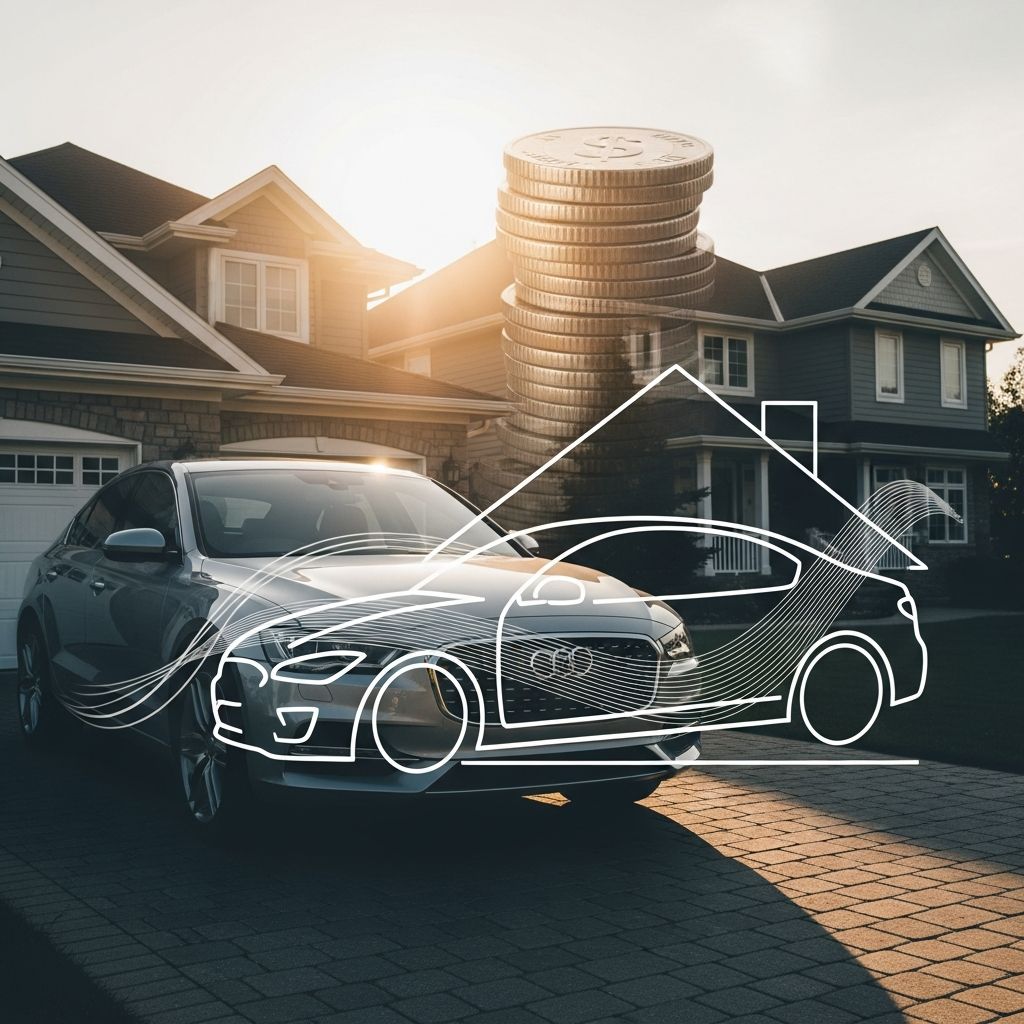
Homeowners often seek creative ways to fund major purchases like vehicles, and using built-up property value is one option gaining attention. While technically feasible, this approach carries unique considerations that demand careful evaluation before proceeding.
Understanding Home Equity as a Funding Source
Home equity represents the portion of your property’s current market value that you truly own, calculated by subtracting any remaining mortgage balance from its appraised worth. Lenders allow borrowing against this equity through specific products designed for flexibility in use.
Two primary vehicles exist: the home equity loan, which provides a one-time lump sum repaid in fixed installments, and the home equity line of credit (HELOC), functioning like a revolving credit line with variable rates. Both typically require at least 15-20% equity and credit scores around 620 or higher.
These funds can theoretically cover any expense, including automobiles, but financial experts caution against deploying them for assets that depreciate rapidly, such as cars.
Key Benefits of Leveraging Property Value for Vehicle Purchases
Despite the risks, certain advantages make this method appealing in specific scenarios.
- Potentially Lower Interest Rates: Secured by real estate, these loans often feature rates below unsecured personal loans or even some auto financing options, especially for strong credit profiles.
- Extended Repayment Periods: Terms stretching 5-30 years can significantly reduce monthly obligations compared to standard car loans averaging 2-7 years.
- Larger Loan Amounts: Equity availability might enable financing pricier vehicles without large down payments.
- Tax Deductions: In some cases, interest payments qualify for federal tax deductions if used for home improvements, though vehicle purchases generally do not; consult a tax professional for specifics.
Significant Drawbacks and Hidden Costs
The allure of favorable terms fades when examining the full picture, particularly for financing depreciable goods.
- Property at Stake: Defaulting risks foreclosure, as your residence secures the debt—far graver than repossession of a vehicle.
- Depreciation Mismatch: Vehicles lose about 60% of value within five years, outpacing long loan terms and potentially leaving you owing more than the car’s worth.
- Upfront Expenses: Closing costs of 2-5% of the loan principal add thousands; for a $50,000 advance, expect $1,000-$2,500 immediately.
- Equity Erosion: Borrowing reduces your ownership stake, complicating future sales or refinances if property values dip.
- Long-Term Expense: Prolonged repayment inflates total interest paid, sometimes exceeding auto loan costs despite lower rates.
Comparing Home Equity Options Against Traditional Auto Loans
A side-by-side analysis highlights why experts often favor vehicle-specific financing.
| Feature | Home Equity Loan/HELOC | Auto Loan |
|---|---|---|
| Collateral | Home | Vehicle |
| Term Length | 5-30 years | 2-7 years |
| Rate Type | Fixed or Variable | Typically Fixed |
| Fees | 2-5% closing costs | 1-2% origination; dealer fees |
| Credit Minimum | ~620 | Varies; higher rates below 661 |
| Risk Level | Foreclosure possible | Repossession |
Data drawn from multiple lender comparisons shows auto loans preserve home security while aligning repayment with asset lifespan.
Ideal Scenarios for Using Equity to Buy a Vehicle
Though uncommon, certain situations might justify this strategy:
- Funding a high-value, low-depreciation specialty vehicle like a classic car that could appreciate.
- Combining with home upgrades where total borrowing qualifies for tax benefits.
- Refinancing existing high-rate auto debt into a lower-rate equity product during favorable market conditions.
- Individuals with substantial equity and stable incomes prioritizing cash flow over total cost.
Even then, running personalized calculations is essential to confirm net savings.
Steps to Evaluate If This Fits Your Situation
- Calculate Available Equity: Obtain a current home appraisal and review mortgage statements.
- Check Credit and Rates: Prequalify for both equity and auto loans to compare offers.
- Project Total Costs: Use online calculators factoring fees, rates, and terms.
- Assess Risk Tolerance: Consider job stability and emergency funds.
- Consult Professionals: Speak with financial advisors or mortgage specialists.
Smarter Alternatives for Vehicle Financing
Most consumers benefit from these conventional paths:
- Dealer or Bank Auto Loans: Tailored terms, quick approval, and vehicle protection.
- Credit Unions: Often lower rates for members with good payment history.
- Personal Loans: Unsecured options for those avoiding collateral risks, though rates are higher.
- Cash Purchases or Leasing: Builds savings discipline and avoids debt cycles.
- 0% Financing Promotions: Time purchases for manufacturer deals.
Frequently Asked Questions
Is a home equity loan ever cheaper than an auto loan?
Possibly, due to lower rates and longer terms reducing monthly payments, but factor in fees and total interest—auto loans often prove less expensive overall.
What happens if I can’t make payments on a home equity car loan?
Lenders can foreclose on your property after missed payments, unlike auto loans where only the car is at risk.
Can I use a HELOC instead of a home equity loan for a car?
Yes, but variable rates introduce payment uncertainty, and the same collateral risks apply.
Are closing costs tax-deductible?
Generally no for vehicle purchases; deductions typically require home-related uses.
How much equity do I need?
Lenders usually require 15-20% after borrowing to maintain a buffer against market fluctuations.
Final Thoughts on Balancing Risk and Reward
While home equity offers accessible funds for car buys, the consensus from financial analyses leans heavily against it for most buyers. Preserving your home’s security for appreciating assets or emergencies aligns better with long-term stability. Always prioritize options that match the purchase’s nature—short-term for depreciating items, secured thoughtfully for enduring value.
References
- Should you use a home equity loan to buy a car? — Better Mortgage. 2023. https://better.com/content/home-equity-loan-to-buy-a-car
- Can You Use a Home Equity Loan to Buy a Car? — LendingTree. 2024-01-15. https://www.lendingtree.com/home/home-equity/home-equity-loan-to-buy-car/
- What You Can Use a Home Equity Loan for (and What to Avoid!) — Navy Federal Credit Union. 2023. https://www.navyfederal.org/makingcents/home-ownership/home-equity-uses.html
- Should I Use a Home Equity Loan to Buy a Car? — Allstate. 2024. https://www.allstate.com/resources/car-insurance/home-equity-loan-to-buy-a-car-calculator
- Home Equity Loan Pros And Cons: A Homeowner Guide — Bankrate. 2024-02-20. https://www.bankrate.com/home-equity/pros-cons-home-equity-loan/
- Auto Loan vs. Home Equity Loan Calculator — Fifth Third Bank. 2023. https://www.53.com/content/fifth-third/en/personal-banking/planning/financial-calculators/61-auto-loan-vs-home-equity-calculator.html
Similar Articles








Read full bio of Sneha Tete