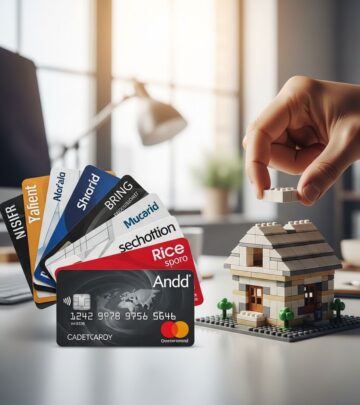
Financing Appliances: Store Cards vs Smart Options
Discover if store credit cards are worth it for your new home appliances—weigh perks against pitfalls and explore better financing paths.
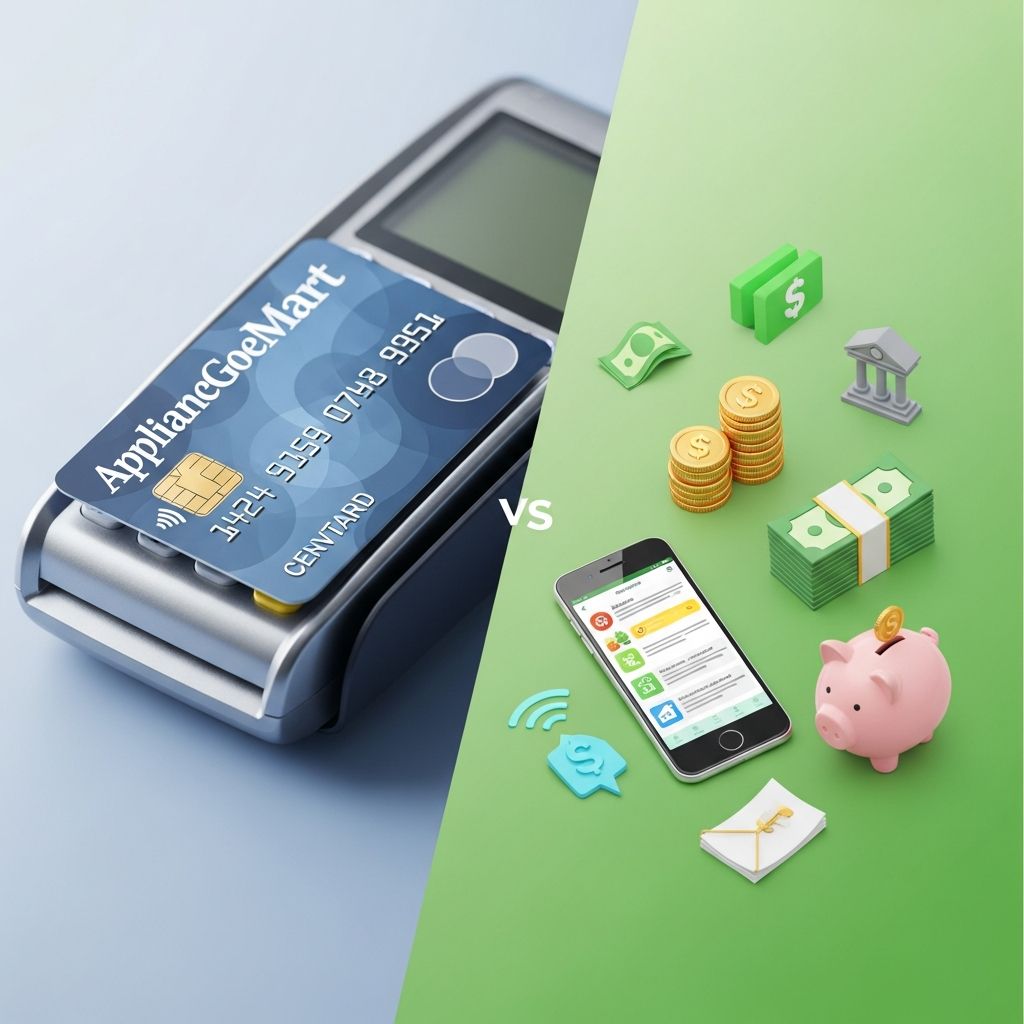
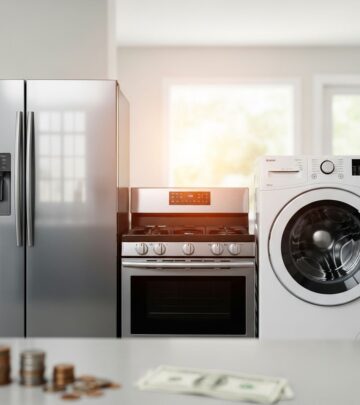
Outfitting a new home with essential appliances like refrigerators, ovens, washers, and dryers often involves significant spending, potentially exceeding $10,000 for a full set. Store credit cards tempt buyers with immediate discounts or promotional financing, but these offers can mask substantial long-term costs. This article examines whether relying on store cards makes financial sense, highlighting key advantages, hidden dangers, and superior alternatives to help you equip your home without derailing your budget.
Understanding Store Credit Cards for Big Purchases
Store credit cards, also known as retail cards, are issued by specific retailers for use exclusively within their stores or affiliated networks. They frequently promote deals such as 10-20% off initial purchases or 0% interest for 6-24 months on appliances. These incentives appeal during home setup when cash flow might be strained by moving costs, deposits, and renovations.
However, these cards differ from general-purpose credit cards. Most operate as closed-loop systems, limiting usage to one retailer, which restricts price shopping. Approval often hinges on a hard credit inquiry, temporarily dinging your score by 5-10 points. Average credit limits start low, around $500-$2,000, making them prone to high utilization ratios that further impact credit health if balances linger.
Advantages of Store Cards for Appliance Buying
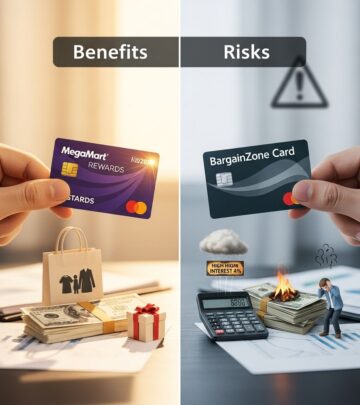
Despite drawbacks, store cards offer targeted benefits for immediate needs:
- Instant Discounts: Many provide upfront savings, like 15% off appliances over $1,000, effectively reducing out-of-pocket costs right away.
- Promotional Financing: 0% APR periods allow spreading payments without interest if fully repaid on time, ideal for budgeting large sums.
- Easier Approval: Subprime-friendly underwriting approves applicants with fair credit (scores 580-669), unlike premium cards requiring excellent credit.
- Exclusive Perks: Free delivery, installation, or extended warranties add value, sometimes worth hundreds in savings.
These features shine for time-sensitive buys, such as when moving deadlines loom and sales align perfectly.
Critical Risks and Downsides to Watch For
Store cards’ allure fades under scrutiny. High average APRs—often 25-30% or more—kick in post-promotion, dwarfing general card rates around 20%. Deferred interest clauses are particularly insidious: interest accrues from day one but is waived only if the balance clears by deadline. Miss it by a dollar, and retroactive charges hit, potentially doubling costs.
| Risk Factor | Impact | Example |
|---|---|---|
| High APR | 25-30% vs. 15-20% on prime cards | $2,000 fridge at 28% APR adds $560/year if unpaid |
| Deferred Interest | Retroactive charges | 12-month promo: $1,200 interest if not paid off |
| Low Limits | High utilization (>30% hurts score) | $1,000 limit with $800 balance = 80% utilization |
| Limited Use | No flexibility | Can’t shop competitor sales |
Overspending temptation rises with plastic, especially amid home expenses. Studies show card users spend 12-18% more than cash payers. Adding a new bill strains finances when mortgages and utilities compete for funds.
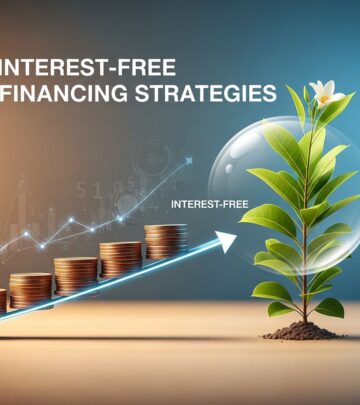
Smarter Alternatives for Appliance Funding
Broaden your horizons beyond store cards. Each option suits different financial profiles:
- 0% Introductory APR Cards: General cards like Chase Freedom Unlimited offer 15-21 months interest-free on purchases, with rewards (1.5-5% cash back). Higher limits and flexibility beat store restrictions.
- Personal Loans: Fixed-rate loans from banks or credit unions (7-15% APR) provide lump sums without collateral. No utilization hit since they’re installment debt.
- Home Equity Options: HELOCs or cash-out refinances leverage equity at low rates (around 8%), tax-deductible interest for qualified improvements.
- Manufacturer Financing: Brands like Whirlpool offer direct plans with competitive terms, often beating retail cards.
- Saving in Advance: Delay non-essentials; allocate $200/paycheck to build a fund, avoiding debt entirely.
Compare via prequalification tools—no hard pulls—to gauge rates without score damage.
Step-by-Step Guide to Appliance Financing Decisions
Navigate purchases methodically:
- Assess Needs vs. Wants: Prioritize must-haves (fridge, stove) over upgrades (smart features).
- Check Credit: Free weekly reports reveal scores; aim for 670+ for best rates.
- Research Deals: Use aggregator sites for sales across retailers.
- Calculate Total Cost: Include delivery ($50-200), install ($100-500), taxes.
- Run Scenarios: Model payments with interest via calculators.
- Prequalify: Test multiple lenders.
- Negotiate: Leverage competing offers for discounts.
For a $5,000 suite, a 0% card saves $750+ vs. store deferred interest if mistimed.
Protecting Your Credit and Budget Long-Term
Financing appliances tests financial discipline. Maintain utilization under 30%, pay on time (35% of score), and limit inquiries. Track via apps like Mint. Build emergency funds covering 3-6 months expenses to buffer surprises like repairs.
Post-purchase, redeem rewards toward utilities or future buys. Monitor statements for errors; dispute promptly. If debt accrues, consolidate via balance transfers (3% fee but 0% periods) or debt management plans.
Real-World Scenarios: When Store Cards Win or Lose
Win Case: Tight credit, perfect sale timing, disciplined payoff—$3,000 washer/dryer at 20% off, paid in 12 months: $600 saved, no interest.
Lose Case: Miss promo deadline on $4,000 kitchen package: 28% APR + deferred interest = $1,500+ extra over 2 years.
General cards or loans often net better outcomes for most.
Frequently Asked Questions
Are store cards easier to get than regular cards?
Yes, especially with fair credit, but they carry higher risks.
What happens if I miss a promo period?
Deferred interest charges from purchase date, often substantial.
Can I use rewards cards for appliances?
Absolutely—opt for 0% intro offers with cash back for dual benefits.
Is appliance financing tax-deductible?
Possibly via home equity loans for improvements; consult a tax pro.
How much do new appliances typically cost?
$8,000-$12,000 for full kitchen/laundry sets, per industry averages.
Final Thoughts on Smart Home Financing
Store cards suit niche scenarios but pale against versatile alternatives like 0% APR cards or loans. Prioritize total cost of ownership, credit impact, and flexibility. Shop patiently; the right plan equips your home affordably without regret.
References
- Consumer Financial Protection Bureau: Credit Card Agreements and Disclosures — CFPB (U.S. Government). 2025-03-15. https://www.consumerfinance.gov/rules-policy/final-rules/credit-card-agreements/
- Federal Reserve Board: Report on Credit Card APRs and Fees — Federal Reserve. 2025-09-01. https://www.federalreserve.gov/publications/files/chargeoff-creditcard-202509.pdf
- TransUnion: Credit Utilization Impact Study — TransUnion. 2024-11-20. https://www.transunion.com/blog/credit-utilization-impact
- FTC: Understanding Credit Reports and Scores — Federal Trade Commission. 2025-02-10. https://consumer.ftc.gov/articles/understanding-credit-reports-and-scores
- Experian: Average Appliance Costs for New Homes — Experian. 2025-07-22. https://www.experian.com/blogs/ask-experian/home-appliance-costs/
Similar Articles








Read full bio of medha deb