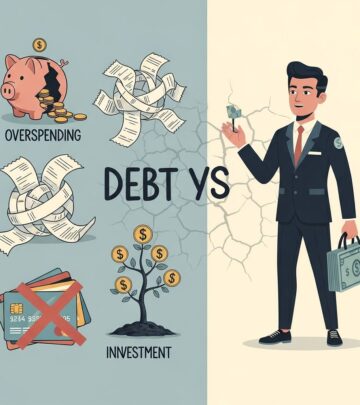
Financial Self-Sabotage: 5 Practical Ways To Stop For Good
Uncover the hidden habits derailing your finances and learn proven strategies to break free for lasting wealth.

Even the most intelligent individuals can fall into traps that undermine their financial future. Financial self-sabotage occurs when unconscious habits or emotions lead to decisions that contradict long-term goals, such as accumulating debt despite a solid income or skipping savings for instant gratification. This article breaks down the common forms, psychological drivers, warning signs, real-life cases, and strategies to overcome these pitfalls, empowering you to take control of your money.
Common Forms of Financial Self-Sabotage
Financial self-sabotage manifests in predictable ways that erode wealth over time. Recognizing these patterns is the first step toward change.
Impulse Spending
Impulse purchases deliver quick thrills but wreak havoc on budgets. Triggered by online flash sales, social media ads, or emotional lows, these buys bypass rational planning. For instance, adding items to a cart during a stressful day feels rewarding momentarily, but repeated occurrences drain savings and fuel regret. Studies show impulse spending accounts for up to 40% of consumer debt in many households, turning potential investments into liabilities.
Procrastination in Saving
Knowing saving matters yet delaying it is a classic sabotage. Rooted in denial or the myth of ‘not enough income,’ procrastination forfeits compound interest benefits. Starting late means working longer or retiring with less. A common excuse: ‘I’ll save more next month,’ which rarely happens without structure.
Ignoring Debt
Postponing bill payments or avoiding debt statements provides short-term relief but balloons interest charges. This avoidance cycle escalates balances, damages credit, and invites fees. Many live in denial, peeking at accounts only during crises, allowing small debts to become overwhelming burdens.
High-Risk Investments Without Knowledge
Overconfident ‘smart’ people dive into volatile stocks, crypto, or schemes sans research, chasing quick wins. Lacking diversification or understanding risks leads to devastating losses. This stems from ego, ignoring the fact that even experts falter without due diligence.
Lifestyle Inflation
Raises or bonuses often spark upgraded lifestyles—fancier cars, dining out, bigger homes—instead of boosted savings. This ‘keeping up’ traps earnings in expenses, perpetuating financial mediocrity despite income growth.
Psychological Roots of Financial Self-Sabotage
Behaviors don’t arise in isolation; deep-seated emotions drive them. Addressing the mind unlocks lasting change.
Fear and Anxiety
Money triggers stress: fear of scarcity prompts hoarding or panic spending; anxiety about the unknown stalls planning. These reactions short-circuit logic, favoring comfort now over security later.
Instant Gratification
Our brains prioritize dopamine hits from immediate rewards, clashing with delayed financial gains. Evolutionary wiring favors this, but in modern life, it fuels retail therapy over retirement funds.
Comparison and Social Pressure
Social media showcases lavish lifestyles, breeding envy. ‘Keeping up with the Joneses’ leads to overspending on vacations or gadgets, ignoring personal realities.
Limiting Beliefs About Money
Deep beliefs like ‘rich people are greedy’ or ‘I’ll never be wealthy’ self-fulfill through sabotage. These subconscious scripts block abundance, even when opportunities arise.
Unresolved Anger and Emotional Baggage
Anger from past betrayals—like parental financial neglect or debt burdens—manifests as reckless spending. It’s unconscious revenge: squandering money to ‘punish’ sources of pain, perpetuating cycles of guilt and instability.
Signs You Might Be Sabotaging Your Finances
Spotting red flags early prevents escalation. Watch for these indicators:
- Frequent buyer’s remorse after non-essential purchases.
- Avoiding bank apps, statements, or money talks.
- Inconsistent or zero savings deposits despite income.
- Persistent debt despite repayment plans.
- Anxiety, guilt, or stress surrounding finances.
- Prioritizing others’ needs (e.g., family) over your retirement.
- Sabotaging easy money flows, like canceling lucrative opportunities from fear.
If these resonate, audit your habits immediately.
Real-Life Examples of Financial Self-Sabotage
Stories illustrate the toll and turnaround.
Case 1: The High-Earning Engineer
A software engineer earning six figures blew bonuses on gadgets and outings. Despite smarts, impulse ruled. Solution: Automated $500 monthly to retirement, strict discretionary caps. Result: Debt-free in a year, growing net worth.
Case 2: The Freelancer’s Income Rollercoaster
Inconsistent pay led to emotional spending binges. Canceling client calls subconsciously when money flowed easily due to ‘undeserving’ beliefs. Fix: Savings buffer, mood-tracking expenses. Outcome: Stable emergency fund, reduced anxiety.
Case 3: Anger-Driven Overspending
Kilian, saddled with his father’s business debt from age 18, spent $1,000 monthly impulsively. Root: Resentment. Therapy uncovered anger; mindful budgeting redirected energy. He paid off debt faster, breaking the revenge cycle.
How to Stop Financial Self-Sabotage
Overcoming requires strategy and mindset shifts. Implement these steps:
Track and Automate
Log every expense for 30 days to reveal leaks. Automate savings and bills to remove willpower reliance.
Set Clear Goals and Boundaries
Define SMART financial goals (Specific, Measurable, Achievable, Relevant, Time-bound). Use the 50/30/20 rule: 50% needs, 30% wants, 20% savings/debt.
| Category | Percentage | Example |
|---|---|---|
| Needs | 50% | Rent, groceries, utilities |
| Wants | 30% | Dining, entertainment |
| Savings/Debt | 20% | Emergency fund, payments |
Address Emotional Triggers
Journal money emotions. Pause 24-48 hours before big buys. Seek therapy for deep issues like anger or limiting beliefs.
Educate and Diversify
Research investments via credible sources. Build buffers: 3-6 months expenses in high-yield savings.
Build Support
Join accountability groups or apps. Celebrate non-spending wins to rewire gratification.
Frequently Asked Questions (FAQs)
What is financial self-sabotage?
It’s any behavior or inaction that hinders financial goals, like impulse buys or avoiding savings, often driven by emotions rather than logic.
Why do smart people self-sabotage finances?
Intelligence doesn’t override emotions; overconfidence, past trauma, or instant gratification bias lead to poor choices.
How can I stop impulse spending?
Implement a 48-hour wait rule, unsubscribe from marketing emails, and use cash-only for discretionary spends.
Is procrastination ruining my future?
Yes—delayed saving costs compound growth. Start small: 5% of income automated today.
Can therapy help with money issues?
Absolutely; financial therapy tackles emotional roots like anger or scarcity mindsets for sustainable change.
Final Thoughts on Breaking Free
Financial self-sabotage is common but conquerable. Awareness, tools, and emotional work pave the path to wealth. Start today—your future self will thank you.
References
- Financial Self-Sabotage: Why Smart People Make Poor Money Decisions — My Money Curve. 2023-05-15. https://mymoneycurve.com/financial-self-sabotage-why-smart-people-make-poor-money-decisions-and-how-to-stop
- 3 Sneaky Ways We Financially Self-Sabotage (And How To Stop) — HerMoney. 2024-02-20. https://hermoney.com/invest/financial-planning/3-sneaky-we-financially-self-sabotage-and-how-to-stop-podcast-447/
- Is Anger Behind Your Financial Self-Sabotage? — Psychology Today. 2024-12-01. https://www.psychologytoday.com/us/blog/in-greater-depth/202412/is-anger-behind-your-financial-self-sabotage
Similar Articles








Read full bio of Sneha Tete