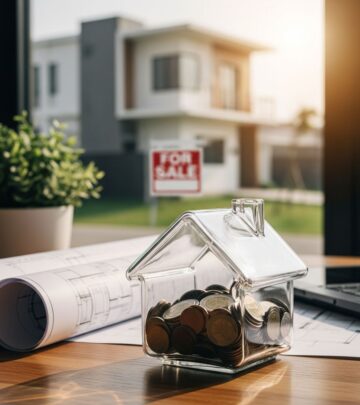
Restoring Financial Stability After Home Purchase
Strategic steps to rebuild savings and strengthen finances post-homeownership
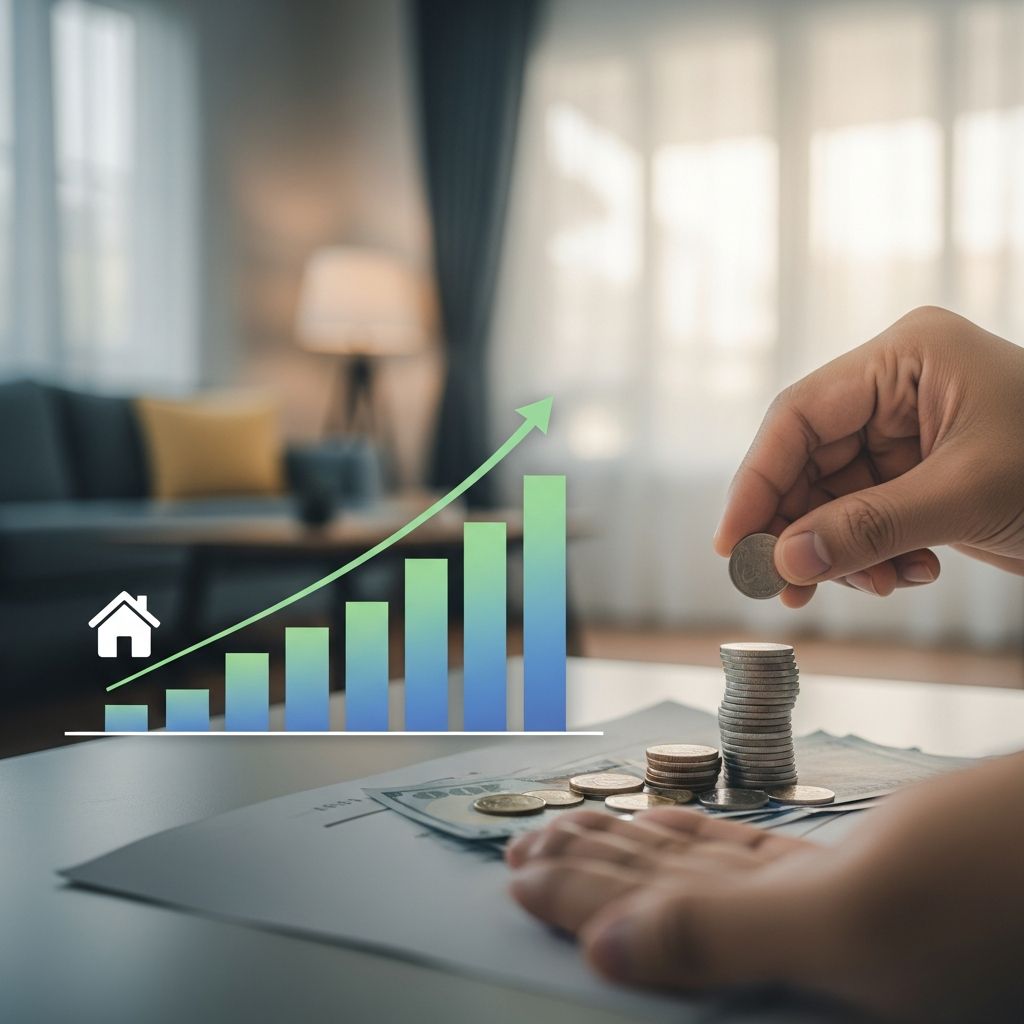
Purchasing a home represents one of the most significant financial commitments most people make in their lifetime. While the excitement of obtaining keys to your new property can be overwhelming, the financial implications extend far beyond signing closing documents. Many new homeowners find their savings depleted, their monthly budgets stretched, and their financial goals temporarily derailed. Understanding how to systematically rebuild your financial foundation after this major purchase is essential for long-term prosperity and peace of mind.
Replenishing Your Safety Net: The Emergency Fund Priority
The journey toward homeownership frequently requires substantial upfront investments. Down payments, closing costs, and inspection fees can rapidly deplete savings accounts that took years to accumulate. For many new homeowners, the first financial priority should be restoring an adequate emergency fund to prepare for inevitable housing-related expenses.
Homeownership introduces unique financial vulnerabilities that renters typically don’t face. A roof leak, furnace failure, or plumbing emergency can cost thousands of dollars with minimal warning. Without a properly funded emergency reserve, homeowners may resort to high-interest credit cards or risky loans to address these situations. Financial experts recommend maintaining between six and nine months of essential living expenses in an accessible savings account, though some situations may warrant higher reserves.
The strategy for rebuilding emergency funds should be systematic and intentional. Rather than waiting until unexpected expenses force you into debt, establish automatic transfers from your checking account to a dedicated savings vehicle immediately after closing. Even modest monthly contributions—$100, $200, or $300—accumulate steadily over time. Setting this up as an automatic process removes the temptation to redirect these funds toward discretionary purchases.
Tax Planning Adjustments and Itemization Opportunities
Homeownership triggers substantial changes in your tax situation that many new buyers overlook. The mortgage interest deduction and property tax deduction represent two of the most significant tax advantages available to homeowners. However, understanding whether itemizing deductions benefits your specific situation requires careful analysis.
First-time homeowners often assume they should automatically itemize deductions, but this isn’t universally optimal. Your decision depends on comparing your total itemizable deductions against the standard deduction for your filing status. Mortgage interest on loans up to $750,000 and property taxes up to $10,000 annually can be itemized, but only if your combined deductions exceed the standard deduction threshold.
Additionally, homeowners who work remotely may qualify for home office deductions. Calculating the percentage of your home dedicated exclusively to business purposes and applying that percentage to allowable home expenses can generate meaningful tax savings. Consulting with a tax professional or financial advisor who understands your complete financial picture ensures you’re not leaving deductible amounts unclaimed or missing strategic planning opportunities.
Comprehensive Budget Restructuring for New Circumstances
The monthly financial obligations associated with homeownership extend far beyond the mortgage principal and interest payment. Property taxes, homeowners insurance, utilities, maintenance reserves, and potentially mortgage insurance create a substantially larger monthly housing expense than most renters anticipated.
Comprehensive budget restructuring requires identifying every new or increased expense category. Property taxes vary significantly by location but represent a non-negotiable recurring cost. Homeowners insurance is mandatory for any property with a mortgage and typically costs between $1,000 and $2,000 annually depending on location and home value. Utility expenses often increase substantially for homeowners managing their own heating, cooling, and water systems. Beyond these predictable costs, budgets should include allocations for routine maintenance and the inevitable emergency repairs.
The adjustment process involves examining discretionary spending categories and identifying areas where reductions are feasible without severely impacting quality of life. Cable and streaming services, dining out frequency, entertainment expenses, and subscription services often represent quick areas for temporary reduction. This isn’t about permanent deprivation but strategic prioritization during the rebuilding phase.
Insurance Coverage Assessment and Enhancement
Homeowners insurance is mandatory when financing a property, but this essential coverage represents only one component of a comprehensive insurance strategy. New homeowners should evaluate whether their existing health, disability, and life insurance policies remain adequate given their expanded financial obligations.
Life insurance becomes increasingly important once you carry a substantial mortgage. If you’re the primary income earner, your family could face losing the home if something happens to you. Term life insurance provides affordable protection during the years when your mortgage balance is highest. Similarly, disability insurance becomes more critical—an injury or illness preventing you from working could quickly lead to mortgage default without this protection.
Health insurance should be reviewed to ensure adequate coverage, as medical events combined with mortgage payments can devastate finances. Evaluating your current policies with your insurance agent helps identify gaps or opportunities to adjust coverage levels and deductibles based on your new financial circumstances.
Payment Punctuality and Credit Score Recovery
Most new homeowners experience a temporary credit score decline immediately after purchasing a home. This decline occurs because the mortgage represents a large new debt account and the credit inquiry associated with the application impacts your credit profile. Understanding this normal fluctuation helps prevent panic-driven financial decisions.
Credit score recovery happens naturally through consistent on-time payments, particularly your mortgage payment. Payment history represents 35% of credit score calculations, making this the most influential factor. Prioritizing mortgage payments above other obligations demonstrates to creditors that homeownership is your financial priority.
Beyond mortgage payments, minimizing new credit inquiries and avoiding opening additional credit accounts during this period supports faster score recovery. Reducing credit utilization ratios by paying down existing credit card balances also positively impacts scores. While credit score recovery takes several months to show meaningful improvement, maintaining consistent payment behavior establishes positive momentum.
Strategic Long-Term Financial Goal Reassessment
Homeownership fundamentally alters your financial landscape, requiring honest reassessment of long-term objectives and timelines. Retirement savings, education funding, investment strategies, and other goals may require adjustment based on your new housing-related obligations.
Meeting with your financial advisor to update your comprehensive financial plan ensures homeownership doesn’t derail your broader wealth-building strategy. This conversation should address how much monthly cash flow you can allocate toward retirement accounts, investment portfolios, and other goals after covering essential housing expenses and emergency fund contributions.
Some individuals may need to temporarily reduce retirement contribution percentages while rebuilding emergency reserves. Others might accelerate their recovery by increasing income through side projects or career advancement. The key is intentional planning rather than allowing homeownership expenses to passively consume all surplus income.
Creating a Timeline for Financial Restoration
Recovering from the financial impact of a home purchase isn’t an overnight process, and establishing realistic timelines prevents discouragement. Most financial advisors recommend a three to five-year recovery period where you prioritize rebuilding emergency reserves while maintaining minimum contributions toward long-term goals.
Year one typically focuses on establishing the new budget, identifying all recurring expenses, and beginning emergency fund accumulation. Years two and three emphasize accelerating emergency fund growth while initiating other financial goals. By year four or five, most homeowners have rebuilt adequate reserves and can resume more aggressive savings and investment strategies.
Professional Guidance and Support Resources
The complexity of post-purchase financial recovery benefits from professional guidance. Financial planners, tax advisors, and mortgage specialists can each provide valuable expertise for different aspects of your recovery strategy. Some employers offer employee assistance programs that include financial planning consultations at no cost.
Credit counselors approved by the National Foundation for Credit Counseling can provide objective guidance about debt management and budget optimization. Many offer services at minimal cost or on a sliding scale basis. This professional perspective helps identify blind spots in your financial strategy and confirms you’re making optimal decisions.
Monitoring Progress and Adjusting Strategies
Financial recovery is not a static process but rather an ongoing evolution as your circumstances change. Annual reviews of your budget, emergency fund balance, insurance needs, and long-term goals ensure your strategy remains aligned with your current situation.
Life changes such as job transitions, family expansion, or significant expense increases may require strategy adjustments. Rather than viewing these changes as setbacks, frame them as opportunities to optimize your approach. Each review provides data about what’s working and where adjustments could improve your financial trajectory.
Frequently Asked Questions
How quickly should I rebuild my emergency fund after buying a home?
Most financial advisors recommend beginning immediately with automatic transfers, even modest amounts. Focus on accumulating three months of expenses within the first year, then expanding to six to nine months over subsequent years.
Can I deduct mortgage interest on my taxes?
Yes, if you itemize deductions and your loan balance doesn’t exceed $750,000. However, itemizing only benefits you if your total itemizable deductions exceed the standard deduction for your filing status.
What expenses should I include in my homeownership budget?
Include mortgage principal and interest, property taxes, homeowners insurance, utilities, maintenance reserves (1% of home value annually), potential HOA fees, and any mortgage insurance. Don’t forget to account for seasonal costs like heating fuel.
Why did my credit score drop after buying a home?
New large debt accounts and credit inquiries temporarily lower scores. This is normal and recovers through consistent on-time payments over several months to a year.
Should I prioritize mortgage payments over other debt?
Yes. Mortgage default has more severe consequences than other debt types. If faced with payment choices, prioritize housing, utilities, and food before credit cards and other unsecured debt.
References
- Buying a Home – 6 Ways to Financially Recover Afterward — CWP Advisory Group. Accessed February 2026. https://cwpadvisorygroup.com/buying-a-home-financially-recover-afterward/
- Avoiding Foreclosure — U.S. Department of Housing and Urban Development. https://www.hud.gov/helping-americans/avoiding-foreclosure
- Helping Homeowners Determine Their Best Options — U.S. Department of the Treasury. https://home.treasury.gov/policy-issues/coronavirus/assistance-for-state-local-and-tribal-governments/homeowner-assistance-fund/promising-practices/helping-homeowners
- 8 Ways to Regain Your Financial Footing After a Natural Disaster — AARP. https://www.aarp.org/money/personal-finance/financial-recovery-natural-disaster/
- What to Do After a Natural Disaster: A Financial Recovery Checklist — National Foundation for Credit Counseling. https://www.nfcc.org/blog/financial-post-disaster-checklist/
Similar Articles








Read full bio of medha deb