Financial Health: Why Regular Account Reviews Matter
Master the art of tracking your finances with practical monitoring strategies for every account holder.
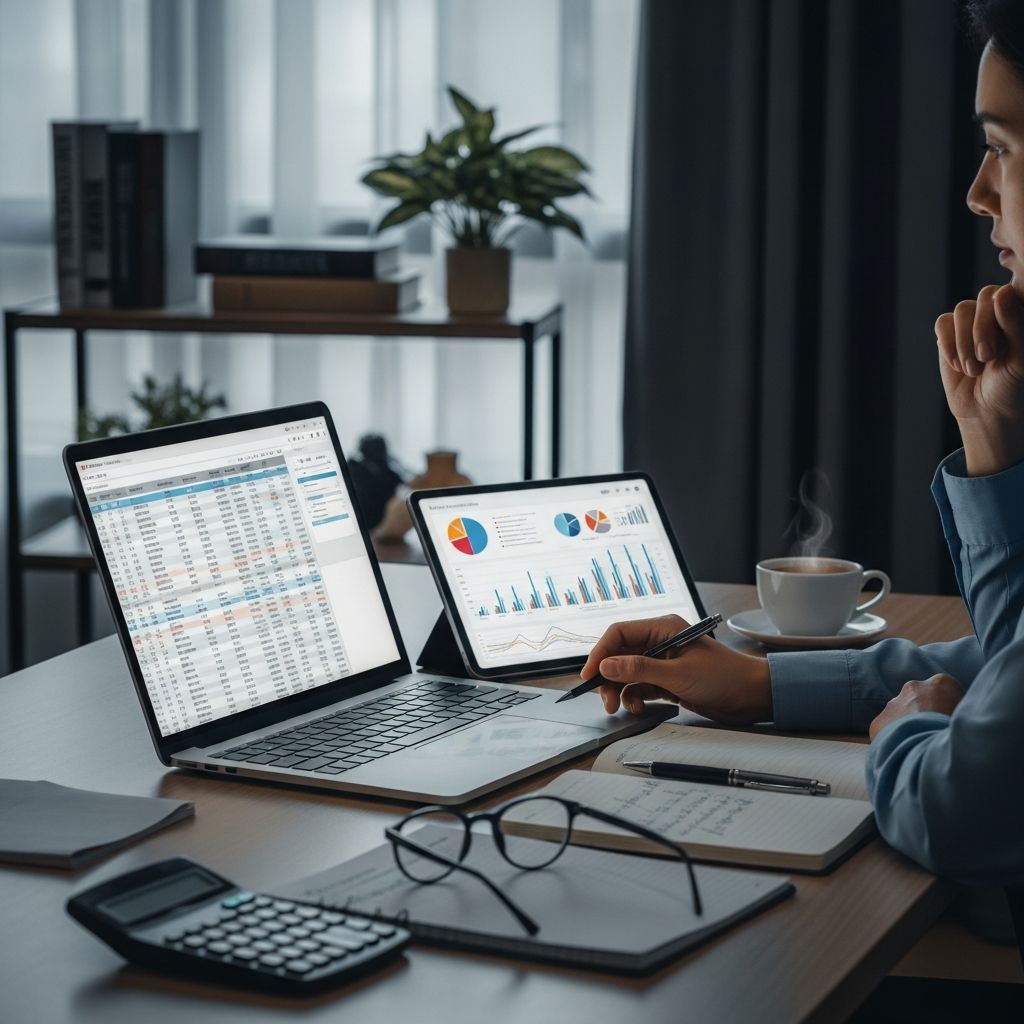
Managing your personal finances requires more than simply depositing paychecks and paying bills. One of the most overlooked yet critical practices in personal financial management is the consistent review of your bank statements and account activity. Whether you manage a modest checking account or juggle multiple financial accounts, understanding what’s happening with your money is fundamental to protecting your wealth and maintaining financial stability.
The modern banking landscape has evolved significantly, offering numerous ways to access your accounts through mobile apps, online portals, and traditional paper statements. Yet many people still neglect to review their accounts with any regularity, leaving themselves vulnerable to errors, fraud, and missed opportunities to improve their financial situation. This comprehensive guide explores why monitoring your accounts matters and provides practical strategies you can implement today.
The Foundation: Understanding Your Account Activity
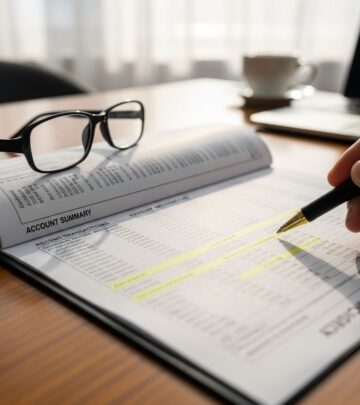
Your bank statements serve as a complete record of every financial transaction you’ve made during a specific period. These documents—whether viewed digitally or received on paper—contain far more information than most people realize. Beyond confirming that your paycheck was deposited or your mortgage payment was processed, your statements reveal spending patterns, recurring charges, and any unusual activity that might indicate problems.
The first step in effective account monitoring is understanding what you’re looking at. Your statement includes deposits, withdrawals, transfers, fees, and interest earned or charged. Each of these entries tells a story about your financial life. A sudden fee might indicate an unexpected service charge. A repeated monthly debit could be a subscription you forgot about. A large withdrawal might be legitimate or could signal fraudulent activity.
Regular account review transforms these statements from confusing documents into powerful financial tools. When you understand what’s actually happening in your accounts, you gain control over your money rather than letting your money control you.
Detecting Unauthorized Transactions and Fraudulent Activity
One of the most compelling reasons to monitor your accounts regularly is fraud prevention. In today’s digital age, unauthorized transactions can occur in multiple ways: stolen credit card numbers, compromised online passwords, identity theft, or even simple clerical errors by merchants.
Fraudsters often test small unauthorized charges to see if they’ll be detected before attempting larger thefts. By reviewing your accounts frequently—ideally every few days for accounts you use regularly—you can catch suspicious activity before it escalates. Small charges you don’t recognize, withdrawals from unfamiliar locations, or purchases from merchants you’ve never heard of are all red flags requiring immediate investigation.
When you spot unauthorized activity, time is critical. Most banks offer fraud protection, but your ability to dispute charges depends partly on how quickly you report them. Reviewing accounts monthly at minimum, but preferably more frequently, significantly improves your chances of catching fraud early and preventing substantial losses.
Common types of fraudulent charges to watch for include:
- Subscriptions you didn’t authorize or forgot you signed up for
- Duplicate charges for the same transaction
- Charges from unfamiliar merchants or international locations where you haven’t traveled
- Small test charges that appear to be from legitimate companies
- Unusual ATM withdrawals or cash advances
- Transfers to accounts you don’t recognize
Catching Calculation Errors and Merchant Mistakes
Not all account discrepancies result from fraud. Honest mistakes by merchants, processing errors by your bank, or simple arithmetic mistakes can all affect your account balance. A merchant might charge you twice for a single purchase, round up amounts incorrectly, or fail to process a refund properly. Banks occasionally apply fees incorrectly or fail to credit deposits promptly.
These errors might seem minor—perhaps a few dollars here or there—but they accumulate over time. More importantly, undetected errors can compound, creating confusion about your actual financial position. When you understand your account balance accurately, you can make better financial decisions about spending, saving, and investing.
By reviewing transaction details regularly, you can identify these errors quickly and request corrections before they become embedded in your financial records. This is particularly important if you’re working with a bookkeeper or accountant, as errors in your bank statements flow directly into your financial reports and tax filings.
Establishing Your Monitoring Schedule and Methods
The ideal monitoring frequency depends on your financial situation and account activity level. Those with high transaction volumes or multiple accounts may benefit from reviewing activity several times weekly. For those with more modest account activity, weekly or bi-weekly reviews are typically sufficient. At minimum, every person should conduct a thorough monthly review of all accounts before statements close.
Modern technology makes frequent monitoring easier than ever. Set up mobile alerts and notifications for your accounts. Most banks allow you to receive real-time alerts whenever a transaction occurs, or alerts when balances fall below a certain threshold. These automated notifications serve as an early warning system, allowing you to investigate suspicious activity immediately.
In addition to automated alerts, establish a personal review routine. Many people find it helpful to review accounts on the same day each week or month—perhaps Sunday evening or the first day of each month. Consistency makes the practice habitual and ensures you don’t accidentally skip monitoring periods.
Recommended monitoring approach:
- Daily: Set up automatic alerts for all transactions and significant balance changes
- Weekly: Glance at your accounts in your mobile app to spot any unusual activity
- Monthly: Conduct a thorough line-by-line review of all transactions
- Quarterly: Analyze spending patterns and account performance over longer periods
Leveraging Digital Tools for Easier Monitoring
Gone are the days when monitoring your accounts required visiting a bank branch or sitting at a computer with paper statements. Modern banking apps and online portals provide convenient access to your financial information anytime, anywhere.
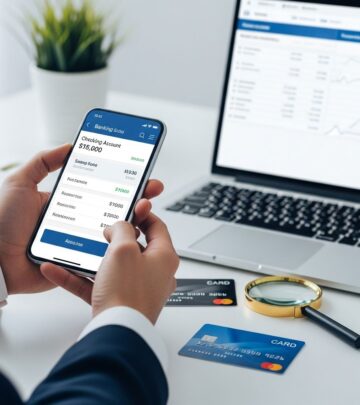
Mobile banking applications offer particular advantages for regular monitoring. You can check your balance instantly, review recent transactions, set up alerts, and even deposit checks remotely. Many apps allow you to categorize transactions, set spending goals, and visualize your financial data in formats that make patterns easier to spot.
Beyond your bank’s native app, numerous third-party financial management tools can aggregate information from multiple accounts, providing a comprehensive view of your finances. These tools often include budgeting features, spending analysis, and alerts for unusual activity.
The key advantage of digital tools is that they remove friction from the monitoring process. When checking your accounts requires only opening an app, you’re far more likely to do it regularly than if you had to request physical statements or navigate a cumbersome website.
Understanding What Balance Changes Mean
When you review your account, start by comparing your balance to what you expected. If the balance doesn’t align with your estimate, investigate why. This process often reveals forgotten subscriptions, uncashed checks, pending deposits, or merchant holds that temporarily reduce your available balance.
Understanding the difference between your current balance and available balance is crucial. Some transactions, such as debit card purchases, may not have cleared immediately, meaning they appear as pending but haven’t yet reduced your available balance. Other transactions, like checks, might be deposited but not yet processed. Familiarizing yourself with these timing differences prevents overdraft fees and helps you accurately track your spending.
Identifying Spending Patterns and Financial Health Indicators
Beyond fraud detection and error correction, regular account monitoring provides valuable insights into your spending habits and financial health. Over time, patterns emerge. You might notice that discretionary spending tends to increase at certain times of year, that you’re spending more on dining out than you realized, or that certain subscription services are draining your budget.
These insights enable better financial planning. If your account reviews reveal spending patterns you want to change, you can implement specific strategies. You might set up automatic transfers to savings to make saving automatic, adjust your budget to reflect realistic spending levels, or eliminate subscriptions you’re not actively using.
Additionally, your account activity provides early warning signs of larger financial problems. If you notice consistently insufficient funds, increasingly negative balances, or growing reliance on overdrafts, these signals indicate that your spending has outpaced your income and intervention is needed.
Maintaining Accurate Financial Records
For business owners and self-employed individuals, account monitoring becomes even more critical. Accurate financial records are essential for tax filing, business analysis, and informed decision-making. Bookkeepers and accountants rely on accurate bank statements and transaction records to prepare your financial statements and tax returns. Any errors or discrepancies in your bank accounts flow directly into these critical documents.
By monitoring your accounts yourself, you serve as a quality control check on your bookkeeper’s work. You understand the context behind transactions that someone reviewing your accounts without personal knowledge might misclassify or overlook. This personal oversight ensures that refunds, payments, and miscellaneous entries are accurately recorded.
Regular account monitoring also helps prevent costly errors such as missed transactions, duplicated entries, or misclassified expenses, all of which could trigger tax filing errors and result in fines or penalties.
Responding Effectively When You Spot Problems
Discovering an issue in your account is only the first step. Effective response is equally important. If you notice unauthorized charges, contact your bank immediately. Most banks have fraud departments specifically trained to investigate and resolve these issues. Document what you observed, when you noticed it, and any communications you’ve had about the issue.
For calculation errors or merchant mistakes, contact the merchant first whenever possible. Many merchants will correct errors immediately once made aware. If the merchant doesn’t respond appropriately, escalate the issue to your bank.
For legitimate but unexpected charges—such as a subscription you forgot about or an annual fee you didn’t anticipate—you may be able to dispute the charge or request a refund directly from the merchant. Many companies will cancel subscriptions and refund recent charges if you ask.
Creating a Sustainable Monitoring Practice
The key to effective account monitoring is making it a sustainable habit rather than an occasional thought. Start with whatever monitoring frequency feels manageable, then adjust as needed. Even monthly reviews are far better than never reviewing your accounts. As the practice becomes habitual, you might find yourself checking accounts more frequently because it requires so little time and effort with modern digital tools.
Consider setting calendar reminders to prompt your reviews, especially if you’re establishing the habit for the first time. Link your account reviews to another monthly activity—perhaps reviewing your budget or paying your bills—so the new habit piggybacks on an existing routine.
The investment of time spent monitoring your accounts provides returns far exceeding the effort required. You’ll catch problems before they become expensive, maintain accurate financial records, understand your spending better, and ultimately gain greater control over your financial life.
References
- Best Practices for Payment Monitoring: Tips and Strategies for Success — NPA Worldwide. 2023-07-05. https://npaworldwide.com/blog/2023/07/05/best-practices-for-payment-monitoring-tips-and-strategies-for-success/
- Account Monitoring and Control Best Practices — Command Credit. https://commandcredit.com/blog/account-monitoring-control-best-practices
- How Often Should You Monitor Your Bank Account? — Citizens Bank. https://www.citizensbank.com/learning/how-often-should-you-monitor-your-bank-account.aspx
- How to Monitor Your Financial Accounts to Guard Against Fraud — Delta Community Credit Union. 2024-06. https://www.deltacommunitycu.com/knowledge-center/blog/june-2024/how-to-monitor-your-financial-accounts-daily-monthly-and-annual.html
- The Importance of Regularly Reviewing Your Bank Statements — Republic Bank. https://republicebank.com/the-importance-of-regularly-reviewing-your-bank-statements/
- The Importance of Monitoring Bank Transactions — Shift Accounting. https://www.shiftacct.com/blog/post/importance-monitoring-bank-transactions
Similar Articles








Read full bio of medha deb