Financial Emergencies: How To Prepare And Recover
Learn how to prepare for financial emergencies, protect your money, and confidently recover when life and your finances get off track.

Financial emergencies can derail even the most carefully laid money plans. Job loss, medical bills, car repairs, or urgent home expenses can appear without warning and create stress, fear, and debt if you are not prepared. The good news is that with a clear plan, you can reduce the damage, protect yourself, and bounce back stronger.
This guide explains what financial emergencies are, how to prepare for them, how to respond in the moment, and how to reset your finances afterward. You will learn practical steps you can start today, even if you feel behind.
What Is A Financial Emergency?
A financial emergency is an unexpected event that requires you to spend money urgently to protect your health, safety, income, or essential needs. It is not about wants or conveniences; it is about necessities.
Two key questions can help you decide if something is a true emergency:
- Was this expense truly unexpected? (You did not reasonably see it coming.)
- Is it absolutely necessary? (You must address it now to avoid serious harm or loss.)
If the answer is yes to both, you are likely facing a financial emergency.
Common Examples Of Financial Emergencies
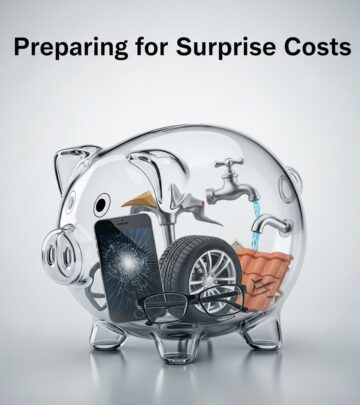
While emergencies come in many forms, some of the most common include:
- Job loss or major income reduction that prevents you from covering basic living costs.
- Unexpected medical or dental bills that are necessary for your health and cannot be postponed.
- Urgent car repairs required to safely drive to work or school.
- Critical home repairs, such as fixing a broken furnace in winter or a major plumbing leak.
- Emergency travel to support or care for a close family member.
In contrast, planned expenses such as vacations, holiday gifts, or routine car maintenance are not emergencies. They may still be important, but they belong in your regular budget and sinking funds rather than your emergency fund.
Why You Need To Prepare For Financial Emergencies
Life is unpredictable, and financial shocks are common. Surveys from major central banks and governments consistently show that a meaningful share of households struggle to cover an unexpected expense from savings alone. Without preparation, many people turn to credit cards or high-interest loans, which can create a long-term debt spiral.
Preparing for financial emergencies helps you:
- Avoid high-interest debt when something goes wrong.
- Protect your credit score by keeping up with payments.
- Reduce stress and anxiety because you know you have a safety net.
- Stay focused on long-term goals like investing, buying a home, or starting a business.
Research on financial resilience shows that households with even modest liquid savings are far more likely to weather income interruptions and avoid hardship. In other words, having cash set aside turns many potential crises into manageable inconveniences.
How Much Should You Save For Emergencies?
The right emergency fund size depends on your life situation, obligations, and risk level. There is no single number that fits everyone, but there are widely used guidelines.
| Stage | Suggested Emergency Fund | Best For |
|---|---|---|
| Starter fund | First $500–$1,000 | People just starting to save or paying off high-interest debt |
| Core fund | 3–6 months of essential expenses | Most households with fairly stable income |
| Extended fund | 6–12+ months of essential expenses | Single-income households, self-employed, or volatile industries |
These ranges are in line with guidance frequently given by financial educators and consumer financial regulators. Remember that the goal is to cover basic living expenses like housing, utilities, food, transportation, insurance, and minimum debt payments—not optional or luxury spending.
How To Estimate Your Emergency Fund Target
To decide how much you personally need, work through these steps:
- List your monthly essentials: rent or mortgage, utilities, groceries, transportation, insurance, minimum debt payments, basic childcare.
- Total those costs to find your average monthly essential spending.
- Multiply that number by 3, 6, or 12, depending on your risk profile.
If you are unsure, aim first for a $500–$1,000 starter fund, then move toward 3 months, and eventually 6–12 months if your situation calls for extra security.
Where To Keep Your Emergency Fund
Your emergency fund needs to be both safe and accessible. It is not meant for investing or chasing high returns; its primary job is protection and liquidity.
Best Places To Store Emergency Savings
- High-yield savings account at an FDIC- or NCUA-insured institution: This is usually the best choice, offering quick access and some interest while protecting your principal.
- Money market deposit account: Often similar to a savings account, with limited check-writing or debit features.
- Short-term certificate of deposit (CD): Can work for part of your fund if you ladder CDs so at least some money is always available, though early withdrawals may face penalties.
Avoid placing your emergency fund in stocks, long-term bonds, or real estate, because their value can fall right when you need the money, and you may not be able to access cash quickly without a loss.
Tips To Reduce Temptation
If you often feel tempted to dip into your emergency savings for non-emergencies, consider these strategies:
- Use a separate bank from your main checking account to create a small mental barrier.
- Skip debit cards and checks for the emergency account so you cannot casually swipe it.
- Rename the account to something like “Emergency Only” to remind yourself of its purpose.
How To Build Your Emergency Fund From Scratch
Saving several months of expenses may feel overwhelming, especially if you are starting from zero or recovering from a rough financial year. Break the process into small, realistic steps.
Step 1: Start With A Small, Clear Goal
Choose an initial target that feels achievable, such as:
- Save your first $250 for emergencies.
- Then build to $500.
- Then reach $1,000 as a starter fund.
Each milestone you hit builds momentum and confidence. You can focus on other urgent priorities, like high-interest debt, once you have a modest safety buffer.
Step 2: Audit Your Finances And Find “Money Leaks”
Before you decide how much to save, understand where your money is going now. Review the last 1–3 months of bank and card statements and note:
- Your take-home income.
- Your fixed expenses (rent, insurance, minimum payments).
- Your variable expenses (groceries, gas, dining out, shopping).
Look specifically for “money leaks”—places where cash slips away without improving your life, such as unused subscriptions, frequent delivery fees, or impulse purchases. These are prime areas to redirect money into your emergency fund.
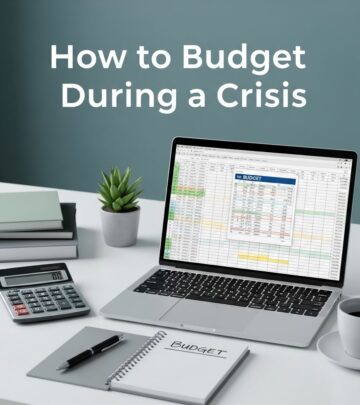
Step 3: Create A Comeback Budget
Design a budget that fits your current reality—not the income or lifestyle you wish you had. A comeback budget should:
- Prioritize essentials like housing, food, utilities, transportation, and minimum debt payments.
- Include a line for emergency savings, even if it is a small amount to start.
- Limit non-essentials so you can free up cash for your safety net.
If your income is irregular, build your budget using the lowest income you typically earn in a month. When you earn more, channel the extra into your emergency fund or other goals.
Step 4: Automate Your Savings
Automation helps you save consistently without relying on willpower. Consider:
- Direct deposit from your paycheck directly into your emergency savings account.
- Automatic transfers from checking to savings on payday (e.g., $25–$100 each pay period).
- Round-up tools that move small amounts into savings with each purchase, if your bank offers them.
Behavioral research shows that automatic, default savings arrangements significantly increase participation and balances over time. Treat your emergency fund contribution like a bill you owe to yourself.
Step 5: Increase Savings Over Time
Once you are comfortable with your starting amount, gradually raise it:
- Increase transfers when you get a raise or bonus.
- Send any windfalls (tax refunds, gifts, side hustle income) to your emergency fund.
- Whenever you pay off a debt, redirect that payment amount into savings.
These small upgrades add up faster than you think, especially when combined with a clear goal and automated transfers.
What To Do When A Financial Emergency Happens
When an emergency strikes, it is easy to panic or freeze. Instead, walk through a simple decision process so you can protect your essentials and minimize long-term damage.
1. Confirm That It Is A True Emergency
Use the two-question test again:
- Was this expense unexpected?
- Is it absolutely necessary and urgent?
If the answer is no, consider using your regular budget, a sinking fund, or delaying the expense instead of tapping your emergency fund.
2. Protect Your Essentials First
In a crisis, focus on what keeps you safe and stable. Prioritize:
- Housing (rent or mortgage)
- Utilities (electricity, heat, water)
- Food and medicine
- Transportation to work or school
- Minimum payments on debts to avoid default
If you cannot afford everything, contact creditors, lenders, and service providers promptly to ask about hardship options, payment plans, or temporary relief programs. Many institutions are required to offer or consider such arrangements during hardship.
3. Use Your Emergency Fund Intentionally
If you have an emergency fund, this is what it is for—use it without guilt. Withdraw only what you truly need to cover the emergency, and keep a simple record of:
- How much you withdrew.
- Why you used the funds.
- When you plan to start replenishing the account.
4. Explore Additional Support If Needed
If your emergency fund and budget are not enough, look for backup options that are lower risk than high-interest debt:
- Community resources, nonprofits, or temporary assistance programs.
- Talking to your employer about extra shifts or temporary work.
- Low-cost payment plans with medical providers.
Try to avoid payday loans or other extremely high-interest products, which can make recovery much harder.
How To Rebuild After A Rough Financial Year
Many people experience a rough year at some point—job loss, illness, divorce, or other unexpected events. If you feel like your finances have been knocked down, you can still rebuild. It starts with mindset and a step-by-step plan.
Step 1: Forgive Yourself And Reframe Your Money Story
Blaming yourself for past decisions or events outside your control will not help you move forward. Instead:
- Acknowledge what happened and what you learned.
- Separate your self-worth from your net worth.
- Decide that this is a turning point, not the end of your story.
Resetting your finances is not about perfection; it is about progress.
Step 2: Face The Numbers With Honesty
Gather your financial information, even if it feels uncomfortable:
- Current account balances (checking, savings, debt, investments).
- Monthly income from all sources.
- Regular bills and obligations.
Think of this as your financial baseline, not a judgment. You cannot create a strong plan without a clear picture.
Step 3: Reset Your Budget Around Your New Reality
If your income or expenses changed, your old budget may no longer work. Build a “reset-mode” budget that:
- Covers essentials first.
- Allocates some amount—however small—to savings.
- Includes a realistic plan for debt payments.
Stay flexible. Adjust as your situation improves, but always keep your core priorities front and center.
Step 4: Rebuild Your Emergency Savings Slowly
If you had to drain your emergency fund—or never had one—start again with small, consistent contributions. Use the same steps you used to build it the first time:
- Set a small milestone (e.g., $250 or $500).
- Automate contributions each payday.
- Direct windfalls and extra income toward rebuilding.
Do not wait for “perfect” conditions to restart; even $10 or $20 a month builds your resilience over time.
Step 5: Set Clear Financial Goals For The Next 3, 6, And 12 Months
Specific, time-bound goals help you stay motivated and track progress. Examples include:
- “In 3 months, I will have $300 in my emergency fund.”
- “In 6 months, I will pay off one small debt and reach $750 in savings.”
- “In 12 months, I will fully fund a $1,000 starter emergency fund and be current on all bills.”
Make your goals SMART: Specific, Measurable, Achievable, Relevant, and Time-bound. This framework is widely used in financial planning and goal-setting research.
Step 6: Reset Your Finances With Support, Not Shame
You do not have to do this alone. Consider:
- Talking with a trusted friend or partner about your plan.
- Seeking reputable financial education resources from nonprofit or government organizations.
- Working with a certified financial counselor or coach if you want personalized guidance.
Surround yourself with supportive voices that focus on solutions, not judgment. Your past does not define your financial future.
Frequently Asked Questions (FAQs)
Q: How do I know if I should use my emergency fund?
A: Use your emergency fund when the expense is both unexpected and necessary to protect your health, safety, housing, or ability to earn income. If it does not meet those standards, try to cover it with your regular budget or a sinking fund instead.
Q: Is it better to pay off debt or build an emergency fund first?
A: Many people start with a small emergency fund (for example, $500–$1,000) while making at least minimum payments on all debts. After building that starter cushion, you can focus more aggressively on high-interest debt while still adding smaller amounts to savings.
Q: What if my income is unstable or unpredictable?
A: Build your budget around your lowest typical monthly income. When you have higher-earning months, use the extra to grow your emergency fund or pay down debt. Over time, you may want a larger emergency fund (6–12 months of essentials) to cushion income swings.
Q: Can I invest my emergency fund to earn more?
A: An emergency fund should prioritize safety and liquidity over return. Keeping it in a high-yield savings account or similar low-risk, easily accessible account is usually best. Investments that fluctuate in value or are hard to sell quickly are better suited for long-term goals, not emergencies.
Q: How long will it take to build a full emergency fund?
A: It depends on your income, expenses, and how much you can save regularly. It may take several years to reach 3–6 months of expenses—and that is normal. The key is consistent progress, starting with a small cushion and increasing your contributions when you are able.
References
- Saving for a Rainy Day, a Windy Day, and a Stormy Season — Board of Governors of the Federal Reserve System. 2020-11-23. https://www.federalreserve.gov/econres/notes/feds-notes/saving-for-a-rainy-day-a-windy-day-and-a-stormy-season-20201123.htm
- Financial Well-Being in America — Consumer Financial Protection Bureau. 2017-09-26. https://www.consumerfinance.gov/data-research/research-reports/financial-well-being-america/
- Emergency savings: How much is enough? — Consumer Financial Protection Bureau. 2022-01-12. https://www.consumerfinance.gov/about-us/blog/emergency-savings-how-much-enough/
- 12-Month Emergency Fund: Can It Help You? — Consumer Financial Protection Bureau. 2021-05-27. https://www.consumerfinance.gov/about-us/blog/should-you-aim-12-month-emergency-fund/
- Economic Well-Being of U.S. Households in 2023 — Board of Governors of the Federal Reserve System. 2024-05-22. https://www.federalreserve.gov/publications/2024-economic-well-being-of-us-households-in-2023.htm
- Building Emergency Savings — Consumer Financial Protection Bureau. 2023-03-15. https://www.consumerfinance.gov/consumer-tools/save-and-invest/building-emergency-savings/
Similar Articles








Read full bio of Sneha Tete