FAFSA: 6 Essential Steps To Apply Under New Rules In 2025
Discover simplified FAFSA rules under the FAFSA Simplification Act for easier access to grants, loans, and college funding opportunities.

Applying for financial aid just got simpler thanks to recent changes in the Free Application for Federal Student Aid (FAFSA) process. The FAFSA Simplification Act introduces reforms that reduce paperwork, expand eligibility, and make it easier for millions of students to access grants, loans, and work-study programs.
What Is the FAFSA and Why Should I Fill It Out?
The
FAFSA
is the Free Application for Federal Student Aid, the primary form used by the U.S. Department of Education to determine eligibility for federal grants, loans, and work-study funds. It’s also required by most colleges and states for their own aid programs.Everyone pursuing higher education should complete the FAFSA, regardless of perceived financial need. Even students from middle- or upper-income families may qualify for aid, and filling it out is free with no obligation to accept loans. Completing the FAFSA unlocks opportunities like Pell Grants, which don’t require repayment, and can lead to substantial refunds when combined with low-cost community college tuition.
New FAFSA Rules: FAFSA Simplification Act
The
FAFSA Simplification Act
, part of the Consolidated Appropriations Act of 2021, streamlines the application by reducing questions from 108 to about 36, automating data import via the IRS Direct Data Exchange, and eliminating the need for paper forms in most cases. Key changes include:- Automatic eligibility for more than 17 million students previously excluded due to outdated rules on divorced parents or small family farms/businesses.
- Expanded Pell Grant access based on a new
Student Aid Index (SAI)
replacing the Expected Family Contribution (EFC). - Consent-based IRS data retrieval to pre-fill tax information, cutting completion time significantly.
These updates aim to increase completion rates and equity in aid distribution. For the 2024-25 award year, maximum Pell Grants reached $7,395, with easier qualification for nontraditional and low-income students.
Key FAFSA Deadlines and Dates
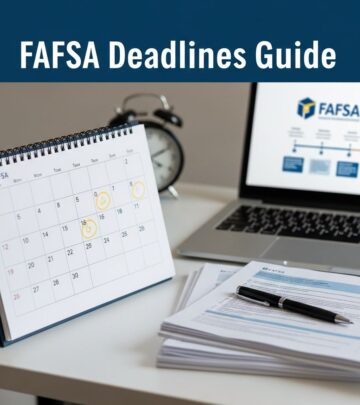
FAFSA deadlines vary by state and school, but federal processing opens October 1 for the upcoming academic year. Priority deadlines often fall between January and March for maximum aid consideration.
| Award Year | FAFSA Opens | Federal Deadline | State/School Priority |
|---|---|---|---|
| 2025-26 | December 1, 2025 (estimated) | June 30, 2026 | Varies by state |
| 2024-25 | Delayed to late 2024 | June 30, 2025 | Mid-March processing start |
Check your state’s deadline via the Federal Student Aid website and individual college portals. Late submissions may reduce aid availability.
A Note on Student Loan Forgiveness
While FAFSA primarily unlocks grants, it also gates federal loans eligible for programs like Public Service Loan Forgiveness (PSLF). Recent delays in FAFSA processing for 2024-25 highlight the importance of early filing to avoid aid gaps. Forgiven loan debt may be taxable, so plan accordingly.
Preparing to Fill Out the FAFSA Form
Preparation is key to a smooth FAFSA experience. Start early to avoid timeouts and errors.
Find Your State’s Deadline
Use the Federal Student Aid Deadline Search tool to locate exact dates for your state grants, which can supplement federal aid significantly.
Gather Your Documents and Materials
Compile these essentials before starting:
- Social Security Number (SSN) or Alien Registration Number for student, spouse, and parents.
- 2023 federal tax returns (or prior-prior year) via IRS Data Retrieval Tool (DRT).
- Untaxed income records, child support paid/received, and investment records.
- Driver’s license number (if applicable).
- Bank statements and asset details (simplified under new rules for most).
Parents without SSNs use 000-00-0000 and sign paper sections.
Brace Yourself With the Federal Student Aid Estimator Tool
The SAI Estimator on StudentAid.gov previews your aid eligibility based on inputs, helping set expectations.
First Timers: Do the FAFSA on the Web Worksheet
New applicants should complete the printable worksheet to practice questions. It includes notes for complex scenarios like dependency status.
Create an FSA ID
All applicants and contributors need a free FSA ID. Parents create separate accounts; verification takes 1-3 days via Social Security Administration.
Overview of FAFSA Steps
The streamlined online FAFSA at StudentAid.gov takes 15-45 minutes with prepared documents. Here’s the breakdown:
- Student Demographics: Name, SSN, contact info, and consent for IRS data import.
- Student Financials: Taxed/untaxed income, assets.
- Parent/Spouse Info (Dependents): Similar financial details; independents skip.
- Household Size: Non-dependents report here.
- School Selection: Add up to 20 colleges using lookup codes.
- Sign and Submit: Electronic signatures required.
Post-submission, monitor your Dashboard for processing (3-5 days) and SAR (Student Aid Report) review. Correct errors promptly.
Types of Aid Available Through FAFSA
FAFSA determines eligibility for:
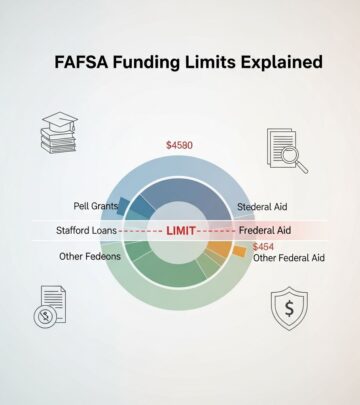
- Pell Grants: Up to $7,395 for low-SAI students; no repayment.
- FSEOG: Up to $4,000 supplemental for neediest.
- State Grants: E.g., Oregon Opportunity Grant covers gaps post-Pell.
- Work-Study: Part-time jobs.
- Loans: Subsidized/unsubsidized Direct Loans; PLUS for parents.
Combine with scholarships for refunds at low-tuition schools like community colleges.
Common Mistakes to Avoid
- Missing deadlines or school codes.
- Inaccurate income/asset reporting, triggering verification.
- Forgetting parent data for dependents.
- Not using IRS DRT, leading to delays.
Maximizing Aid: Strategies and Tips
Independent students often qualify for more aid. Attend low-cost in-state schools, layer grants/scholarships, and appeal awards if circumstances change (e.g., job loss). Use CSS Profile for private institutional aid alongside FAFSA.
Frequently Asked Questions (FAQs)
What if I don’t qualify for Pell Grants?
You may still get loans, work-study, or state/private aid. Everyone benefits from filing.
Can I get paid to attend college?
Yes, Pell Grants exceeding community college tuition can yield refunds.
What’s the difference between FAFSA and CSS Profile?
CSS Profile is for non-federal aid at private schools; both may be needed.
How do I appeal my aid package?
Contact your financial aid office with updated financial docs.
Is FAFSA only for freshmen?
No, renew annually for all undergrad/grad levels.
With these tools and timelines, securing financial aid is more accessible than ever. Start preparing today to fund your education without excessive debt.
References
- Know How to Fill Out FAFSA Form for Better Chance at Aid — The Penny Hoarder. 2024. https://www.thepennyhoarder.com/save-money/how-to-fill-out-fafsa/
- What Is a CSS Profile and Why It’s as Important as FAFSA — The Penny Hoarder. 2024. https://www.thepennyhoarder.com/debt/what-is-a-css-profile/
- Getting Paid to Go to College: It is Possible — The Penny Hoarder. 2024. https://www.thepennyhoarder.com/save-money/paid-to-go-to-college/
- Planning to Apply for Financial Aid? You’ll Love the New FAFSA — The Penny Hoarder. 2024. https://www.thepennyhoarder.com/save-money/financial-aid-fafsa-application/
Similar Articles








Read full bio of medha deb