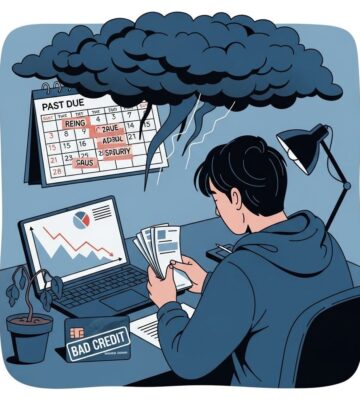
Financial Access and Credit Building for Disabled Adults
Strategies for overcoming credit barriers and achieving financial stability with a disability

Financial independence represents a cornerstone of personal autonomy and security, yet many adults with disabilities face significant barriers when attempting to establish creditworthiness or access traditional lending products. The financial landscape presents distinct challenges for this population, ranging from employment income volatility to systemic discrimination within lending institutions. Understanding these obstacles and learning practical strategies to navigate them can empower disabled individuals to build sustainable financial foundations and access the resources necessary for major life decisions such as homeownership, education, or business ventures.
The Credit Access Gap: Understanding Disparities
Statistical evidence reveals pronounced differences in credit accessibility between adults with disabilities and their non-disabled counterparts. According to the Federal Deposit Insurance Corporation, only 48.4% of working-age households with a disability held a credit card or personal loan from a bank, compared to 75.7% of working-age households without a disability. This substantial gap reflects both systemic barriers and individual circumstances that complicate credit-building efforts for people with disabilities.
The disparity extends beyond mere access to credit products. Data demonstrates that adults with disabilities experience higher denial rates when applying for credit. When the 2021 FDIC survey examined recent credit applications, it found that disabled adults were more likely to be turned down for credit or not receive the full amount they requested, despite showing equal or greater initiative in pursuing credit opportunities. This pattern suggests that institutional biases and discriminatory practices persist within traditional lending channels.
Financial health metrics further underscore this divide. Research indicates that fewer than half (48%) of people with disabilities maintained good to excellent credit scores, compared to 73% of people without disabilities. This gap persists across all income levels, though it widens among low-income populations. The compounding effect of limited credit access and lower average credit scores creates a self-reinforcing cycle that makes it increasingly difficult for disabled adults to improve their financial trajectories over time.
Why Credit Matters Across Life Domains
Credit scoring functions as a gatekeeper determining access to numerous life opportunities and financial products. Beyond traditional borrowing, creditworthiness influences decisions about apartment rentals, utility service activation, insurance premiums, and in some cases, employment eligibility. Understanding the multifaceted importance of credit can motivate disabled adults to prioritize credit-building efforts despite obstacles they may encounter.
For major financial milestones, credit becomes indispensable. Purchasing a home typically requires substantial credit history and favorable scores to obtain a mortgage with reasonable terms. Similarly, financing vehicle purchases through conventional auto loans depends heavily on creditworthiness. Starting a business often necessitates access to capital that relies on established credit profiles. Educational pursuits, whether through student loans or alternative financing, frequently require credit evaluation.
Beyond these significant expenditures, daily financial needs also depend on credit access. Establishing utility services, obtaining cell phone plans, and even renting equipment sometimes involve credit checks. For individuals with disabilities who may rely on specialized equipment, vehicles, or home modifications, the inability to access affordable credit creates compounding financial strain. When traditional credit channels remain closed, disabled individuals often turn to predatory lending options such as payday loans or pawn shops, which charge substantially higher interest rates and fees, further destabilizing their financial situations.
Barriers Specific to Disabled Populations
Multiple interconnected factors explain why disabled adults face amplified challenges in credit-building compared to the general population. These barriers operate at individual, institutional, and systemic levels, requiring multifaceted solutions.
Income Volatility and Employment Disruptions
Many disabilities create employment challenges that directly impact income stability. Episodic disabilities may result in periodic income loss or unpredictable work schedules. Some disabled individuals work part-time due to fatigue, accessibility limitations, or medical treatment requirements. This income volatility complicates debt repayment reliability, making lenders hesitant to extend credit despite an applicant’s genuine ability to repay during stable periods. Additionally, disability-related expenses such as specialized equipment, transportation, or medical costs consume larger portions of household income compared to non-disabled populations, reducing available funds for credit payments.
Fear of Rejection and Previous Negative Experiences
The FDIC survey revealed that many disabled adults did not submit credit applications due to fear of rejection. This hesitation reflects both rational assessment of institutional bias and psychological impacts of accumulated negative financial experiences. Previous loan denials, unfavorable terms, or discriminatory treatment creates understandable reluctance to undergo additional credit inquiries that generate hard pulls on credit reports. This avoidance behavior ironically perpetuates the credit access gap by preventing disabled individuals from building credit histories that could eventually improve their approval rates.
Accessibility Obstacles in Financial Services
Financial institutions frequently fail to provide adequate accessibility accommodations for disabled customers. Blind and low-vision individuals may encounter inaccessible banking websites or automated systems. Deaf customers might struggle to reach telephone banking services lacking relay services. Individuals with mobility disabilities may find branch locations inaccessible. Cognitive disabilities may make complex financial products and documentation incomprehensible without appropriate support. These accessibility failures create practical barriers that prevent disabled adults from engaging with traditional financial services that could help build credit.
Practical Strategies for Building Credit
Despite these challenges, disabled adults can implement specific strategies to establish and strengthen creditworthiness. Success requires education, persistence, and often access to specialized financial products designed for individuals with limited credit histories.
Secured Credit Cards as Foundation Tools
Secured credit cards represent an accessible entry point for disabled individuals struggling to obtain traditional credit cards. These cards require an upfront cash deposit that serves as collateral, typically ranging from $500 to $2,500. The credit limit usually equals the deposit amount. By making regular on-time payments and maintaining low balances, cardholders demonstrate responsible credit behavior that lenders observe through credit bureau reporting. Over 6-18 months of consistent positive activity, many issuers convert secured cards to traditional unsecured accounts, returning the deposit and establishing traditional credit standing.
The advantage of secured cards extends beyond immediate credit access. They provide a controlled environment where disabled individuals can prove creditworthiness without risking significant debt burden. The required deposit ensures the cardholder has resources to cover charges, reducing lender risk while building the applicant’s confidence in managing credit responsibly.
Credit-Builder Loans for Structured Growth
Credit-builder loans represent another specialized product designed specifically to help individuals establish credit histories. These loans function differently from traditional loans. The lender deposits the borrowed amount into a savings account held in the borrower’s name, rather than disbursing cash immediately. The borrower makes monthly payments that build both the savings account and a payment history reported to credit bureaus. Once the loan is repaid, the borrower receives the accumulated funds plus any interest earned, essentially receiving a small return on their disciplined payment behavior.
Credit-builder loans appeal particularly to disabled adults concerned about debt management. The forced savings component encourages financial discipline while simultaneously building emergency reserves. The structured repayment schedule provides clear expectations, and the transparent process creates accountability that many disabled individuals appreciate when rebuilding financial confidence.
Maintaining Healthy Credit Utilization
Understanding credit utilization—the percentage of available credit actually used—becomes essential for credit score optimization. Individuals with good to excellent credit typically use only a small portion of their available credit limit. Financial experts generally recommend maintaining utilization below 30%, which signals responsible credit management to lenders. For disabled individuals building credit, this principle suggests opening accounts with available credit but using them sparingly for necessary purchases, then paying balances promptly.
Prioritizing On-Time Payments
Payment history comprises 35% of credit score calculations, making it the single most important factor. For disabled adults establishing credit, prioritizing on-time payments above all other considerations proves essential. Setting up automatic payments, using calendar reminders, or coordinating with trusted support people can help ensure payments meet deadlines. Even a single late payment can significantly damage nascent credit scores, so this foundational habit deserves careful attention.
Educational Resources and Support Systems
Successful credit-building rarely occurs in isolation. Disabled individuals benefit substantially from financial education tailored to their specific circumstances and learning preferences. Organizations such as the National Disability Institute and the Consumer Financial Protection Bureau provide specialized financial empowerment resources addressing disability-specific challenges. These organizations recognize that generic financial advice often fails to address the unique considerations disabled people navigate.
Seeking guidance from reputable financial counselors experienced with disability communities ensures advice accounts for relevant factors. Social workers, disability service coordinators, and trusted community organizations can help identify appropriate financial products and establish accountability structures. Peer support groups focusing on financial management among disabled individuals provide both practical advice and emotional support for navigating a system that may feel hostile or inaccessible.
Addressing Discrimination and Asserting Rights
Legal protections exist to prevent disability-based discrimination in lending, though enforcement remains inconsistent. The Americans with Disabilities Act, Fair Housing Act, and various consumer protection laws prohibit discrimination based on disability status in credit decisions. Reputable lenders evaluate creditworthiness based on ability to repay credit, not disability status. Disabled applicants should understand these protections and report suspected discrimination to appropriate regulatory bodies.
Recognizing discriminatory practices helps disabled individuals identify predatory lenders to avoid. Legitimate financial institutions may decline credit applications based on insufficient credit history, income inadequacy, or concerning debt-to-income ratios—neutral criteria applied consistently. Denials specifically attributing rejection to disability status, or applying substantially different standards to disabled applicants, represent unlawful discrimination warranting complaints to the Consumer Financial Protection Bureau or state attorney general offices.
Planning for Long-Term Financial Stability
Building credit represents a foundational step toward broader financial stability. As disabled adults establish creditworthiness, they create pathways to more affordable borrowing, improved housing options, and enhanced financial security. The journey requires patience, discipline, and sometimes support from knowledgeable advisors, but the destination—genuine financial inclusion and independence—justifies the effort expended.
Disabled individuals should approach credit-building as part of comprehensive financial planning that accounts for disability-related expenses, income variability, and personal circumstances. This holistic perspective helps ensure credit strategies serve larger goals rather than becoming ends in themselves. With proper education, appropriate tools, and persistent effort, disabled adults can overcome historical barriers and access the financial resources necessary to pursue their aspirations and secure their futures.
References
- How To Establish Credit For Adults With Disabilities — Bankrate. 2024. https://www.bankrate.com/personal-finance/credit/how-to-establish-credit-for-adults-with-disabilities/
- Credit | Financial Resilience Resources for People with Disabilities — National Disability Institute. 2024. https://www.nationaldisabilityinstitute.org/financial-resilience-center/credit/
- Access to Credit for Adults with Disabilities — National Disability Institute. 2018. https://www.nationaldisabilityinstitute.org/wp-content/uploads/2018/12/access-credit-brief.pdf
- Americans with disabilities have the right to improve their financial lives — U.S. Consumer Financial Protection Bureau. 2023. https://www.consumerfinance.gov/about-us/blog/americans-with-disabilities-have-the-right-to-improve-their-financial-lives/
- Financial inclusion for people with disability: a scoping review — PubMed Central. 2024. https://www.ncbi.nlm.nih.gov/pmc/articles/PMC11089913/
Similar Articles








Read full bio of medha deb