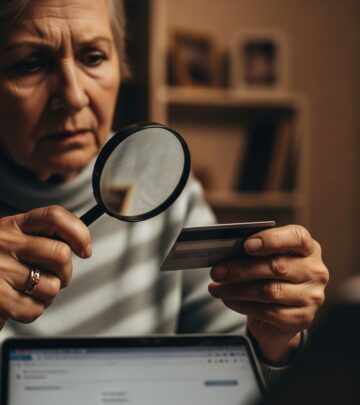
Elder Financial Abuse: How To Spot, Prevent, And Report
Learn to spot, prevent, and combat elder financial abuse to safeguard seniors' hard-earned savings and independence.

Elder financial abuse is a pervasive issue where scammers and even family members exploit seniors’ trust and vulnerabilities to steal their money and assets. Every year, older Americans lose billions to this crime, often from those closest to them.
What Is Elder Financial Abuse?
Elder financial abuse occurs when someone illegally or improperly uses an older adult’s money, property, or assets for personal gain. This form of exploitation targets seniors aged 60 and older, who may have accumulated significant savings from pensions, retirement accounts, or Social Security. Perpetrators range from strangers running scams to family members, caregivers, or trusted advisors seeking control or quick cash.
Unlike physical abuse, financial exploitation is often invisible until devastating losses occur. Victims may lose their life savings, homes, or independence, leading to poverty, homelessness, or reliance on others in their final years. According to reports, abuse and exploitation rob older Americans of approximately $3 billion annually, with even higher estimates reaching $28.3 billion when including unreported cases.
Common Types of Elder Financial Abuse
Recognizing the forms this abuse takes is crucial for early intervention. Here are prevalent tactics used by abusers:
- Unauthorized Withdrawals and Transfers: Abusers gain access to bank accounts, credit cards, or investment portfolios and make fraudulent withdrawals or transfers without permission.
- Forged Checks or Signatures: Perpetrators forge signatures on checks, deeds, or loan documents to siphon funds or transfer property ownership.
- Scams and Fraud: Common schemes include grandparent scams, romance scams, fake tech support, or lottery winnings that pressure seniors into wiring money or sharing personal information.
- Exploiting Power of Attorney: Abusers misuse legal authority granted via power of attorney to make unauthorized financial decisions.
- Gift Card or Prepaid Card Abuse: Victims are coerced into buying and providing codes for gift cards, a favored method by scammers as funds are hard to trace.
- Identity Theft: Stealing personal information to open accounts, take loans, or file fraudulent tax returns in the victim’s name.
Family members commit 72% of financial exploitation cases, often under the guise of ‘helping’ with finances, making detection even harder.
Warning Signs of Elder Financial Abuse
Spotting red flags early can prevent irreversible damage. Look for these indicators:
- Sudden, unexplained transfers or withdrawals from bank accounts.
- Missing possessions like jewelry, artwork, or vehicles.
- New ‘friends’ or beneficiaries added to accounts or wills.
- Overpayment of bills or unusual credit card charges.
- The elder appears anxious, fearful, or evasive when discussing finances.
- Changes in spending patterns, such as inability to afford basics despite prior means.
- Evidence of coerced debt, like unfamiliar loans or credit lines.
- Isolation from family or friends who question financial decisions.
In marriages or family dynamics, signs mirror broader financial abuse: restricting bank access, intense spending monitoring, allowances, double standards, coerced debt, hiding information, and gaslighting concerns.
Who Commits Elder Financial Abuse?
Perpetrators aren’t always strangers. Data shows:
| Perpetrator Type | Percentage of Cases | Common Tactics |
|---|---|---|
| Family Members | 72% | Misusing POA, pressuring gifts, forging documents |
| Caregivers/Paid Help | ~15% | Theft from homes, unauthorized bill payments |
| Scammers/Strangers | ~10% | Phone/email scams, fake investments |
| Professionals (e.g., advisors) | <5% | Unsuitable investments, fee skimming |
Source estimates based on aggregated reports. Family involvement complicates reporting due to emotional ties and fear of consequences.
How to Prevent Elder Financial Abuse
Proactive steps empower seniors and families to build defenses:
- Financial Education: Teach elders about common scams and how to verify requests for money.
- Secure Documents: Store financial papers, IDs, and passwords in a safe place; use a trusted contact list.
- Power of Attorney Wisely: Choose trustworthy agents; include oversight clauses requiring accountings.
- Monitor Accounts: Set up alerts for transactions; regularly review statements together.
- Freeze Credit: Place freezes on credit reports to prevent new accounts.
- Tech Safeguards: Install call-blocking apps; avoid sharing info online.
- Trusted Contacts: Banks now allow designating contacts for suspicious activity alerts (post-2024 regulations).
Open conversations about money reduce isolation, a key risk factor.
What to Do If You Suspect Abuse
Act swiftly but safely:
- Document Everything: Gather bank statements, emails, and witness accounts.
- Contact the Elder: Gently discuss concerns without accusation.
- Secure Assets: Change passwords, revoke POA if misused, freeze credit.
- Report Immediately: See below for channels.
- Seek Legal Help: Consult elder law attorneys for recovery or injunctions.
- Safety Plan: Prepare an emergency kit with docs, cash, and contacts.
How to Report Elder Financial Abuse
Reporting triggers investigations and potential recovery:
- Adult Protective Services (APS): State hotlines (e.g., 1-800-677-1116 nationally) for abuse/neglect.
- Local Law Enforcement: File police reports for theft or fraud.
- Federal Options: FTC at ReportFraud.ftc.gov; FBI Internet Crime Complaint Center (ic3.gov).
- Banks/Financial Institutions: Notify immediately for disputes; they may reverse transactions.
- Senior Hotline: 1-800-677-1116 (ElderCare Locator).
New laws, like those denying inheritance to convicted abusers, strengthen deterrence.
Legal Protections and Recovering Losses
Laws vary by state but include:
- Elder Abuse Acts with civil/criminal penalties.
- Power of attorney reforms requiring fiduciary duties.
- Banking safeguards mandating suspicious activity reporting.
Recovery involves lawsuits, insurance claims, or government restitution programs. Success rates improve with prompt reporting.
Elder Financial Abuse Statistics
- $3B+ lost yearly to abuse/exploitation.
- $28.3B total annual losses, 72% by family.
- 1 in 10 seniors affected; underreporting common due to shame.
- Post-pandemic surge in scams targeting isolated elders.
Frequently Asked Questions (FAQs)
What should I do if a family member is exploiting my elderly parent?
Document evidence, report to APS/police, consult an elder law attorney, and consider guardianship to protect assets.
Can I freeze my parent’s credit without their permission?
If you have legal authority (POA), yes; otherwise, persuade them or seek court intervention.
How do I know if a power of attorney is being abused?
Look for unapproved transactions, secrecy, or benefits flowing to the agent. Demand accountings.
Is elder financial abuse a crime?
Yes, punishable by fines, imprisonment, and restitution; some states enhance penalties for targeting vulnerable adults.
What if the victim doesn’t want to report?
APS can investigate anonymously; emphasize long-term security over short-term discomfort.
References
- 10 Signs of Financial Abuse in Marriage — Crosswalk.com. 2025-08-25. https://www.crosswalk.com/family/marriage/10-signs-of-financial-abuse-in-marriage.html
- Elder Financial Abuse: How to Identify It, Prevent It and Fight It — The Penny Hoarder. 2023-11-11. https://www.thepennyhoarder.com/save-money/fight-elder-financial-abuse/
- New law by Crowe denies inheritance to those who abuse elderly — LMTOnline.com. N/A. https://www.lmtonline.com/news/article/New-law-by-Crowe-denies-inheritance-to-those-who-14280992.php
- Financial exploitation of elderly a troubling trend — MySanAntonio.com. N/A. https://www.mysanantonio.com/opinion/commentary/article/Financial-exploitation-of-elderly-a-troubling-10054705.php
- Older adults need protection from financial abuse — Bangor Daily News. 2024-12-04. https://www.bangordailynews.com/2024/12/04/opinion/opinion-contributor/older-adults-financial-abuse-protection/
Similar Articles








Read full bio of medha deb