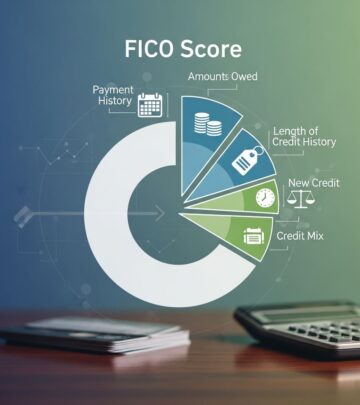
FICO 8 Credit Scoring Formula: Components and Impact
Understanding the FICO 8 formula: Learn how five key factors determine your credit score.

Understanding the FICO 8 Credit Scoring Formula
Your credit score is one of the most important numbers in your financial life. It determines whether you qualify for loans, credit cards, and other financial products, and it can significantly influence the interest rates you receive. The FICO Score 8, launched in 2009, remains the most widely used credit scoring model among lenders today. Understanding how this scoring formula works is essential for managing your financial health and building strong credit. FICO Score 8 is a base score, meaning it’s designed to predict general creditworthiness across different types of credit, rather than being tailored to specific lending industries.
What Is FICO Score 8?
FICO Score 8 is a credit scoring model developed by Fair Isaac Corporation that lenders use to assess credit risk and determine whether to approve loan applications. Scores range from 300 to 850, with higher scores indicating lower credit risk. This model is not industry-specific, which distinguishes it from FICO’s specialty scores designed for auto loans, mortgages, or credit cards. Despite the introduction of newer models like FICO Score 9 and FICO Score 10, FICO Score 8 remains the dominant scoring model used by creditors and financial institutions across the United States.
The widespread adoption of FICO Score 8 is due to its proven track record and lender familiarity. Many financial institutions have spent years calibrating their lending decisions around this model, making it the standard for creditworthiness assessment. While newer models incorporate advanced technology and updated algorithms, FICO Score 8’s reputation and reliability ensure its continued prominence in lending decisions.
The Five Components of FICO Score 8
FICO Score 8 uses a five-factor model to calculate your credit score. Each factor is weighted differently, reflecting its importance in predicting credit behavior. Understanding these components helps you identify which areas of your credit profile to focus on when working to improve your score.
1. Payment History (35%)
Payment history is the most significant factor in your FICO Score 8, accounting for 35% of your total score. This factor measures your track record of paying bills on time across all your credit accounts. Lenders prioritize this metric because it directly demonstrates your reliability in meeting financial obligations.
When calculating payment history, FICO Score 8 considers:
– Whether you pay bills on time- The frequency and recency of late or missed payments- The presence of defaults and delinquencies- Collection accounts and other negative public records
One key distinction of FICO Score 8 compared to previous versions is how it treats late payments. Isolated late payments are weighted more leniently in FICO Score 8, meaning a single late payment won’t devastate your score as severely as it would have under earlier models. However, multiple late payments are penalized more heavily, reflecting that repeated delinquencies are a stronger indicator of credit risk. FICO generally considers payments at least 30 days past the due date as “late.”
2. Amounts Owed (30%)
The second most influential factor is the amount of debt you carry, which comprises 30% of your FICO Score 8. This component is often misunderstood; it’s not about owing money in general, but rather how much of your available credit you’re actively using—a metric called credit utilization rate.
Amounts owed includes:
– Total outstanding balances on all accounts- Credit utilization rates on revolving accounts (credit cards, lines of credit)- The proportion of installment loan balances to original loan amounts- The number of accounts with balances
FICO Score 8 is notably sensitive to high credit card utilization. If you’re using a large percentage of your available credit limits, your score will suffer more under FICO 8 than under previous models. Financial experts generally recommend keeping your utilization below 30% to maintain a strong credit score. For example, if you have a $5,000 credit limit, try to keep your balance below $1,500.
3. Length of Credit History (15%)
Your credit history length accounts for 15% of your FICO Score 8. This factor rewards you for maintaining credit accounts over time and demonstrates your experience managing credit responsibly. While a longer credit history is generally positive, it’s important to note that having a shorter history doesn’t automatically result in a poor score.
Length of credit history considers:
– The age of your oldest account- The age of your newest account- The average age of all your accounts- How long it’s been since you’ve used specific accounts
This is why financial advisors often recommend keeping older credit accounts open, even if you don’t use them regularly. Closing old accounts can lower your average account age and potentially harm your score. Additionally, if you have older accounts in good standing, they continue to reflect positively on your credit history.
4. Credit Mix (10%)
Credit mix represents the variety of credit types in your credit profile and accounts for 10% of your FICO Score 8. Having different types of credit—such as credit cards, auto loans, mortgages, and personal loans—demonstrates that you can manage various forms of credit responsibly.
Credit mix includes:
– Revolving credit (credit cards, lines of credit)- Installment loans (auto loans, personal loans, mortgages)- Finance company accounts- Other types of credit accounts
While credit mix is a relatively minor factor compared to payment history and amounts owed, it still influences your score. You don’t need to artificially create credit accounts just to diversify your mix, but maintaining different types of credit can be beneficial if you’re managing them responsibly.
5. New Credit (10%)
The final component, new credit, makes up 10% of your FICO Score 8. This factor examines how often you’ve applied for and opened new credit accounts recently. Lenders view multiple credit inquiries in a short time frame as a sign of potential financial distress or risky borrowing behavior.
New credit considerations include:
– The number of new credit accounts you’ve opened recently- The number of hard inquiries on your credit report- The time elapsed since credit inquiries and new accounts- Your credit-seeking behavior patterns
It’s important to understand that not all inquiries hurt your score. Hard inquiries—when a lender checks your credit during a loan application—impact your score. Soft inquiries, such as when you check your own credit or when companies do background checks, don’t affect your score. Additionally, FICO Score 8 is designed to treat multiple inquiries for the same type of credit (like auto loans) within a short period as a single inquiry, so shopping around for the best rate won’t damage your score as much as multiple unrelated credit applications would.
How FICO Score 8 Differs from Previous Models
FICO Score 8 introduced several important changes that make it distinct from earlier versions. Understanding these differences can help you better manage your credit profile.
Treatment of Late Payments
As mentioned, FICO Score 8 is more forgiving of isolated late payments than previous versions. A single late payment won’t impact your score as severely, reflecting the understanding that even responsible borrowers occasionally miss a payment. However, the model penalizes multiple late payments more heavily, signaling that repeated delinquencies indicate genuine credit risk.
Small-Balance Collection Accounts
FICO Score 8 ignores collection accounts with original balances under $100. These small-dollar “nuisance” accounts previously had a significant negative impact on credit scores. This change recognizes that very small unpaid debts are less indicative of creditworthiness than larger collection accounts. This is beneficial for consumers who have minor unpaid debts that have gone to collections.
Credit Card Utilization Sensitivity
FICO Score 8 places greater emphasis on high credit card utilization rates compared to previous models. If you carry high balances relative to your credit limits, your score will be more negatively affected under FICO 8. This change reflects lender concern about consumers who are heavily dependent on credit.
FICO Score Ranges and What They Mean
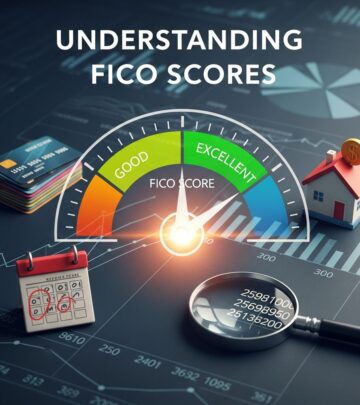
Your FICO Score 8 falls into one of five ranges, each indicating a different level of creditworthiness:
| Credit Rating | Score Range | What It Means |
|---|---|---|
| Exceptional | 800-850 | Excellent credit; you’ll likely qualify for the best rates and terms |
| Very Good | 740-799 | Strong credit; you qualify for most loans with favorable terms |
| Good | 670-739 | Acceptable credit; you qualify for most loans but may not get the best rates |
| Fair | 580-669 | Poor credit; you may struggle to qualify for some credit products |
| Poor | 300-579 | Very poor credit; you may be denied credit or face significant restrictions |
Most financial institutions consider 670 and above to be “good” credit. Scores in the 740+ range are generally considered “very good” and open up more favorable lending opportunities. Achieving an exceptional score of 800+ demonstrates excellent financial management and typically results in the lowest interest rates available.
Strategies for Improving Your FICO Score 8
Understanding the components of FICO Score 8 allows you to take targeted actions to improve your score. Here are practical strategies based on each scoring factor:
Boost Your Payment History
– Set up automatic payments to ensure you never miss a due date- Pay all bills on time, including credit cards, loans, and utilities- If you have past late payments, focus on demonstrating consistent on-time payment behavior going forward- Contact creditors if you’re struggling to make payments to discuss hardship options
Reduce Credit Utilization
– Pay down credit card balances aggressively- Request credit limit increases (without a hard inquiry when possible)- Spread balances across multiple cards to lower utilization on each- Avoid closing old credit card accounts, which can increase utilization rates
Maintain Your Credit History
– Keep older accounts open and active- Make small purchases occasionally on older cards to keep them active- Avoid closing accounts with good payment history- Build a longer average account age over time
Diversify Your Credit Mix
– If you only have credit cards, consider a small personal loan or becoming an authorized user on another account- Don’t apply for credit you don’t need just to diversify- Maintain a mix of revolving and installment credit
Limit New Credit Applications
– Avoid applying for multiple credit products in a short time frame- When shopping for similar credit (auto loans, mortgages), do so within a short window- Only apply for credit when you genuinely need it- Space out credit applications over time
Frequently Asked Questions About FICO Score 8
Q: How often does my FICO Score 8 update?
A: FICO Scores are calculated whenever a lender requests your score and your credit report data has changed. Credit reports typically update monthly when creditors report your account activity, so your score can change monthly or even more frequently.
Q: Is FICO Score 8 the only score lenders use?
A: No. While FICO Score 8 is the most widely used, lenders may also use other FICO versions (like FICO Score 10), VantageScore models, or industry-specific scores for mortgages and auto loans. However, FICO Score 8 remains the industry standard.
Q: Can I improve my FICO Score 8 quickly?
A: Credit score improvement typically takes time, but you can see changes within a few months by making consistent payments and reducing credit utilization. Negative items like late payments gradually have less impact as they age.
Q: What’s the difference between FICO Score 8 and FICO Score 10?
A: FICO Score 10 incorporates advanced technology and weighs personal loans and credit utilization more heavily. However, FICO Score 8 remains more widely used by lenders due to its established track record and familiarity.
Q: Does checking my own credit hurt my FICO Score 8?
A: No. Checking your own credit generates a soft inquiry, which doesn’t affect your score. Only hard inquiries from lenders during credit applications impact your FICO Score 8.
References
- What Makes FICO® Score 8 Different from Previous FICO® Scoring Models — Credit Karma. 2024. https://www.creditkarma.com/credit/i/what-fico-score-8
- What Does FICO Score 8 Mean? — Capital One. 2024. https://www.capitalone.com/learn-grow/money-management/fico-score-8/
- FICO Score 8: What is it? — Chase. 2024. https://www.chase.com/personal/credit-cards/education/credit-score/fico-score-8
- How are FICO Scores Calculated? — myFICO. 2024. https://www.myfico.com/credit-education/whats-in-your-credit-score
- What Are the Different Credit Score Ranges? — Experian. 2024. https://www.experian.com/blogs/ask-experian/infographic-what-are-the-different-scoring-ranges/
Similar Articles








Read full bio of medha deb