FHA Construction Loans: Your Guide to Building with Federal Backing
Explore FHA construction loans: Lower down payments, flexible terms, and federal backing for your dream home.

What Is An FHA Construction Loan?
An FHA construction loan is a specialized type of FHA mortgage designed to finance the building of a new home. It combines the advantages of traditional Federal Housing Administration loans with the flexibility of short-term construction financing. This unique lending product provides borrowers with access to capital for all construction-related expenses while offering the security of federal backing through the FHA.
An FHA construction loan works similarly to a conventional construction loan by providing short-term financing that covers the cost of building a home. This includes expenses for the land or lot purchase, building materials, labor costs, and other construction-related expenses. The key distinction lies in the FHA insurance component. Unlike conventional construction loans, FHA construction loans are insured by the Federal Housing Administration, which means if you have a credit score of at least 580, you could potentially make a down payment as low as 3.5 percent.
One of the most attractive features of FHA construction loans is their convertibility. Once the house is built and completed, borrowers can often convert these short-term construction loans into long-term FHA mortgages. This seamless transition eliminates the need to apply for separate financing after construction concludes, streamlining the entire homebuilding process.
Understanding FHA Construction Loan Types
The FHA offers two primary types of construction loans to meet different borrowing needs and circumstances.
FHA Construction-to-Permanent Loans
The FHA construction-to-permanent loan is the most common type of FHA construction financing. This loan structure allows you to secure financing for both the construction phase and the permanent mortgage phase in a single application. During construction, you only pay interest on the amount that has been drawn. Once construction is complete, the loan automatically converts into a traditional FHA mortgage. This type of loan is ideal for borrowers who want a streamlined process and prefer to work with a single lender throughout the entire building and financing journey.
FHA 203(k) Loans
The FHA 203(k) loan is another construction financing option available to borrowers. This loan program is specifically designed for purchasing and renovating existing properties or financing repairs and improvements on homes. The 203(k) loan allows you to borrow against the projected value of your home after renovations are complete. This option is particularly useful for buyers interested in fixer-upper properties who want to finance both the purchase and the necessary repairs and improvements through a single loan product.
Key Requirements for FHA Construction Loans
Understanding the qualifying requirements for FHA construction loans is essential for prospective borrowers. While these requirements share similarities with standard FHA loans, there are specific additions and considerations for construction financing.
Credit Score Requirements
Your credit score is one of the most important factors in qualifying for an FHA construction loan. The minimum credit score requirement is 580 to qualify for the maximum down payment flexibility. With a credit score of at least 580, you can make a down payment as low as 3.5 percent. However, if your credit score falls between 500 and 579, you can still qualify but will need to provide at least a 10 percent down payment. Individual lenders may require higher credit scores than the FHA minimums, so it’s worth shopping around and discussing your specific situation with multiple lenders.
Debt-to-Income Ratio
Your debt-to-income (DTI) ratio, which measures your total monthly debt payments against your gross monthly income, is carefully evaluated by lenders. The FHA allows debt-to-income ratios up to 50 percent for FHA loans, including construction loans. However, lenders may have more restrictive guidelines, and having a lower DTI ratio can improve your chances of approval and may result in better interest rates.
Down Payment Considerations
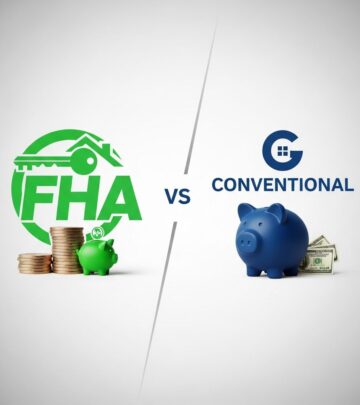
FHA construction loans offer more favorable down payment options compared to conventional construction loans. With the minimum credit score of 580, you can put down as little as 3.5 percent of the purchase price. This low down payment requirement makes FHA construction loans particularly attractive to first-time homebuilders and those with limited savings for a large down payment. In contrast, conventional construction loans typically require 20 percent down payments or higher.
Property and Inspection Requirements
The property must meet specific FHA standards to qualify for FHA construction financing. A HUD-approved appraiser must assess the property’s market value and verify that it meets HUD’s basic standards. These requirements include the home being structurally sound with adequate ventilation and working heating, plumbing, and electrical systems. The property must also meet local building codes and safety standards. These inspection requirements ensure that borrowers are financing homes that are safe, livable, and represent good collateral for the lender.
FHA Construction Loan Rates and Costs
Current Rate Environment
FHA construction loan rates vary by lender and individual borrower circumstances. As of November 2025, the national average rate for FHA loans has been in the high 6 to low 7-percent range. FHA construction loans often carry slightly higher rates than standard FHA purchase loans, though exact rates depend on the specific lender and your risk profile as a borrower. When comparing rates, it’s important to consider both the interest rate and the annual percentage rate (APR), which includes fees and other financing costs.
Mortgage Insurance Premiums
One significant cost associated with FHA construction loans is mortgage insurance. Borrowers must pay two types of mortgage insurance premiums: an upfront mortgage insurance premium (MIP) and ongoing annual premiums. The upfront MIP is typically 1.75 percent of your loan principal and can be rolled into the loan amount. Additionally, you’ll pay monthly premiums based on your loan amount, down payment size, and loan term. These insurance premiums persist for the life of the loan if you put down less than 20 percent, or until you reach 80 percent loan-to-value if you put down more.
Closing Costs and Fees
FHA construction loans include various closing costs and fees similar to traditional mortgages, including appraisal fees, origination fees, and other lender charges. A beneficial feature of FHA loans is that the FHA allows home sellers, builders, or mortgage lenders to cover up to 6 percent of these closing costs, which can significantly reduce your out-of-pocket expenses at closing.
Comparing FHA and Conventional Construction Loans
| Feature | FHA Construction Loan | Conventional Construction Loan |
|---|---|---|
| Minimum Credit Score | 580 (or 500 with 10% down) | Generally 680 or higher |
| Minimum Down Payment | 3.5% with 580+ credit score | Typically 20% or more |
| Mortgage Insurance | Required; 1.75% upfront + monthly premiums | Not required with 20%+ down |
| Interest Rate | Competitive; often lower than conventional | Varies by lender and risk profile |
| Loan Limits (2025) | $524,225 to $1,209,750 | No federal limits |
| Qualification Requirements | Less strict overall | More stringent requirements |
| Primary Advantage | Low down payment and credit requirements | Higher loan amounts; lower insurance costs |
Advantages of FHA Construction Loans
FHA construction loans offer numerous benefits that make them an attractive option for many homebuilders:
- Lower Down Payment Requirements: With a qualifying credit score, you can build a home with as little as 3.5 percent down, making homebuilding accessible to more buyers.
- Flexible Credit Requirements: The minimum 580 credit score is significantly lower than conventional construction loan requirements, opening doors for borrowers with less-than-perfect credit histories.
- First-Time Buyer Friendly: FHA loans are specifically designed with first-time homebuyers in mind, offering educational resources and more lenient qualification standards.
- Rate Lock Benefits: You can lock in a competitive interest rate without requiring a large down payment, protecting you from future rate increases.
- Broad Property Types: FHA financing extends beyond traditional single-family homes to include mobile homes and factory-built homes, accommodating diverse homebuilding preferences.
- Streamlined Process: Construction-to-permanent loans provide a single application and unified financing process from groundbreaking through closing on your completed home.
Disadvantages and Considerations
While FHA construction loans offer substantial benefits, there are some drawbacks and considerations to evaluate:
- Mandatory Mortgage Insurance: You must pay both an upfront mortgage insurance premium and ongoing monthly premiums, increasing your total borrowing costs, especially if you maintain a lower down payment.
- Property Standards Requirements: The home must meet specific FHA standards and pass a HUD appraisal, which may limit your building choices or require modifications to meet standards.
- Loan Limits: FHA loans have federal loan limits that vary by location, which may not be sufficient for borrowers seeking to finance higher-priced properties in expensive markets.
- Primary Residence Requirement: FHA loans are only available for properties where you will live as your primary residence; they cannot be used for investment properties or second homes.
- Higher Overall Cost: Despite potentially lower interest rates, the combination of mortgage insurance premiums and other fees can result in a higher annual percentage rate (APR) compared to conventional loans.
The FHA Construction Loan Application Process
Obtaining an FHA construction loan involves several key steps. First, you’ll need to find a HUD-approved lender experienced in FHA construction financing. Next, gather your financial documentation, including recent tax returns, pay stubs, and bank statements. Submit your application along with your building plans and contractor information. The lender will order an appraisal and verification of your financial information. Once approved, you’ll lock in your interest rate and move toward closing. At closing, you’ll sign the loan documents and receive the funds to begin construction.
FHA Construction Loan Limits for 2025
FHA loan limits vary based on location and are adjusted annually. For 2025, you can borrow between $524,225 and $1,209,750 for a single-family home with an FHA loan, depending on your location. High-cost areas have higher loan limits to reflect regional property values. These limits ensure that FHA financing remains accessible across different geographic markets while protecting lenders from excessive risk exposure.
Frequently Asked Questions
Q: How does an FHA construction loan differ from a conventional construction loan?
A: FHA construction loans are insured by the Federal Housing Administration, allowing for lower down payments (as little as 3.5%) and more flexible credit requirements. Conventional construction loans typically require 20% down and higher credit scores but don’t involve mandatory mortgage insurance.
Q: Can I convert my FHA construction loan to a permanent mortgage?
A: Yes, FHA construction-to-permanent loans are designed to automatically convert from the construction phase to a traditional FHA mortgage once your home is completed. This seamless transition eliminates the need for separate financing applications.
Q: What credit score do I need to qualify for an FHA construction loan?
A: The minimum credit score is 580 to qualify with a 3.5% down payment. If your credit score is between 500 and 579, you can still qualify but will need to put down at least 10%. Individual lenders may have higher minimum requirements.
Q: What are the typical interest rates for FHA construction loans?
A: As of November 2025, FHA construction loan rates have been in the high 6 to low 7-percent range. Exact rates vary by lender and your individual risk profile. FHA construction loans sometimes carry slightly higher rates than standard FHA purchase loans.
Q: Will I need to pay mortgage insurance on an FHA construction loan?
A: Yes, you’ll need to pay both an upfront mortgage insurance premium (1.75% of your loan amount) and ongoing monthly premiums. These insurance premiums typically continue for the life of the loan if you put down less than 20%.
Q: What are the FHA loan limits in my area?
A: FHA loan limits for 2025 range from $524,225 to $1,209,750 for single-family homes, depending on location. High-cost areas have higher limits. Contact your lender or check HUD’s website for specific limits in your region.
Q: Can I use an FHA construction loan for a second home or investment property?
A: No, FHA loans are only available for properties where you will live as your primary residence. They cannot be used for investment properties or second homes.
Q: What property standards must my home meet for FHA construction financing?
A: Your home must be structurally sound, have adequate ventilation, and possess working heating, plumbing, and electrical systems. A HUD-approved appraiser will verify that your property meets all FHA standards before approval.
References
- What Is An FHA Construction Loan? — Bankrate. 2025-11-29. https://www.bankrate.com/mortgages/fha-construction-loans/
- What Is An FHA Loan? Requirements, Rates And More — Bankrate. 2025-11-29. https://www.bankrate.com/mortgages/what-is-an-fha-loan/
- FHA Loan Rates — Bankrate. 2025-11-29. https://www.bankrate.com/mortgages/fha-loan-rates/
- What Are Construction Loans And How Do They Work? — Bankrate. 2025. https://www.bankrate.com/mortgages/construction-loans-explained/
- What Is A Construction-To-Permanent Loan? — Bankrate. 2025. https://www.bankrate.com/mortgages/construction-to-permanent-loans/
Similar Articles








Read full bio of medha deb