FHA Appraisal Standards: Complete Checklist For Smooth Closings
Navigate FHA appraisal rules to secure your home loan with confidence and avoid common pitfalls.

FHA appraisals ensure properties meet strict federal guidelines for safety and value before approving government-insured loans. These evaluations protect buyers and lenders by verifying homes are habitable and fairly priced.
Why FHA Appraisals Matter for Homebuyers
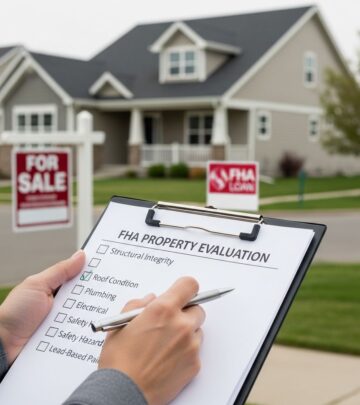
FHA loans offer accessible financing with low down payments, but they require rigorous property assessments unlike conventional mortgages. Appraisers confirm the home’s market value and compliance with U.S. Department of Housing and Urban Development (HUD) minimum property requirements, focusing on health, safety, and structural soundness. This dual role distinguishes FHA appraisals, which combine valuation with habitability checks.
Buyers benefit from these standards as they prevent purchasing unsafe or overpriced homes. Lenders rely on them to minimize risk, given FHA insurance backs the loans issued by private institutions. Recent updates, like the 2026 transition to Uniform Appraisal Dataset (UAD) 3.6, aim to standardize reporting and improve efficiency.
Key Differences from Conventional Appraisals
Conventional appraisals primarily determine market value based on condition and comparables, while FHA versions emphasize livability. FHA appraisers inspect for hazards like lead paint, inadequate heating, or pest infestations that conventional ones might overlook.
| Aspect | FHA Appraisal | Conventional Appraisal |
|---|---|---|
| Focus | Safety, security, soundness | Primarily market value |
| Standards | HUD Minimum Property Requirements | Lender guidelines |
| Inspector Role | Mandatory defect reporting | Optional inspection recommended |
| Repairs | Often required pre-closing | Negotiated between parties |
This table highlights how FHA processes prioritize buyer protection through enforced standards.
Step-by-Step FHA Appraisal Process
The process begins after a purchase agreement, ordered by the lender from an FHA-certified appraiser. It typically completes within a week.
- Site Visit: The appraiser examines interior, exterior, and surroundings, photographing key areas like foundations, roofs, and utilities.
- Evaluation: Checks against HUD’s Single Family Housing Policy Handbook for defects, functionality, and environmental hazards.
- Report Generation: Details property features, defects, repair estimates, and market value opinion, including comparables and maps.
- Recommendations: Lists required fixes; if unresolved, a second appraisal may occur.
- Final Review: Lender verifies compliance; repairs must be completed and reinspected if needed.
For new constructions, stricter ‘minimum property standards’ apply, ensuring long-term durability.
Comprehensive Property Inspection Checklist
FHA appraisers scrutinize every aspect using HUD guidelines. Below is a detailed checklist categorized for clarity.
Structural Elements
- Foundation: Must be stable, crack-free, with proper drainage to avoid water intrusion.
- Roof: Functional for at least 2 more years; no holes, curling shingles, or gutter issues.
- Walls and Siding: Intact, without peeling paint (especially pre-1978 homes for lead risks).
- Chimneys: Secure, with functional caps and no leaning.
Mechanical Systems
- HVAC: Adequate heating to 50°F in coldest areas; functional cooling optional but must operate.
- Plumbing: Potable water, no leaks, proper sewage disposal.
- Electrical: Safe wiring, sufficient outlets, GFCI in wet areas.
- Appliances: Functional if included in sale.
Interior and Safety Features
- Stairs: Handrails on both sides if over 3 steps.
- Windows/Doors: Operable egress for bedrooms, secure locks.
- Floors: Even, without trip hazards.
- Lead Hazards: No chipping paint on older homes without remediation.
Exterior and Site Conditions
- Access: Safe road entry, public or private.
- Grading: Slopes away from foundation for drainage.
- Pests/Environmental: No termites, flooding risks, excessive noise, or nuisances like power lines.
- Outbuildings: Garages, pools, decks must be safe.
Appraisers document deficiencies with photos and cost estimates, potentially delaying closing until resolved.
Preparing Your Property for Success
Proactive steps boost approval chances. Sellers should review HUD standards and fix issues like leaky roofs or faulty wiring early. Buyers can request seller repairs pre-appraisal and conduct independent inspections for leverage.
- Clean thoroughly, inside and out.
- Repair minor issues like loose handrails or dripping faucets.
- Provide utility receipts to prove functionality.
- Clear yard of debris to aid access.
Average FHA appraisal costs $400-$600, paid by the buyer, non-refundable even if issues arise.
Handling Appraisal Issues and Repairs
If defects are found, options include seller-funded repairs, buyer credits at closing, or lender escrows for post-closing fixes. Critical safety items must resolve before funding. Peeling paint or structural cracks often require professional remediation. In rare cases, the loan denies if costs exceed value.
Recent HUD changes, like rescinding outdated protocols, streamline processes by reducing redundant inspections. The 2026 UAD update enhances data consistency across FHA, VA, and USDA loans.
Costs, Timelines, and Validity
Appraisals remain valid for 120-180 days, depending on market stability. Costs vary by location but are lender-ordered exclusively. Reappraisals cost extra if market shifts significantly.
Frequently Asked Questions
What if the home fails the FHA appraisal?
Repairs are required; negotiate with the seller or walk away without penalty during contingencies.
Can buyers choose the appraiser?
No, lenders select from FHA-rostered professionals to ensure impartiality.
Does FHA cover luxury homes?
Yes, if they meet standards, but loan limits apply by county.
Are separate home inspections needed?
Recommended; appraisals aren’t full inspections.
How has FHA appraisal policy evolved?
2026 brings UAD 3.6 for better uniformity and reduced burdens.
Navigating FHA Loans in Today’s Market
With down payments as low as 3.5% for scores above 580, FHA remains ideal for first-timers. Understanding appraisals empowers informed decisions, avoiding surprises. Consult lenders early to gauge property readiness.
This guide synthesizes HUD protocols and lender insights, emphasizing preparation for smooth closings. Properties passing these checks ensure safe, valuable investments backed by federal insurance.
References
- Essential FHA Appraisal Checklist — Central Bank. 2023. https://www.centralbank.net/learning-center/fha-appraisal-checklist/
- FHA Appraisal Requirements And Guidelines — Bankrate. 2025-01-15. https://www.bankrate.com/mortgages/fha-appraisal-requirements/
- Rescission of Outdated and Costly FHA Appraisal Protocols — HUD. 2025. https://www.hud.gov/sites/dfiles/OCHCO/documents/2025-18hsgml.pdf
- FHA Announces Transition to New Appraisal Reporting in 2026 — National Association of Realtors. 2025-08-27. https://www.nar.realtor/washington-report/fha-announces-transition-to-new-appraisal-reporting-in-2026
- FHA Loan Requirements 2026 — Freedom Mortgage. 2026. https://www.freedommortgage.com/learning-center/articles/fha-loan-requirements
- FHA minimum property standards checklist — Rocket Mortgage. 2025. https://www.rocketmortgage.com/learn/fha-minimum-property-standards
- FHA Appraisal Basics — FHA.com. 2024. https://www.fha.com/fha_article?id=4137
Similar Articles








Read full bio of medha deb