FHA 203(k) Loans: What They Are and How They Work
Complete guide to FHA 203(k) renovation loans: Types, eligibility, pros, cons, and everything you need to know.
Understanding FHA 203(k) Loans
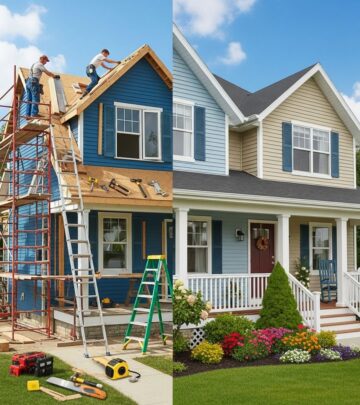
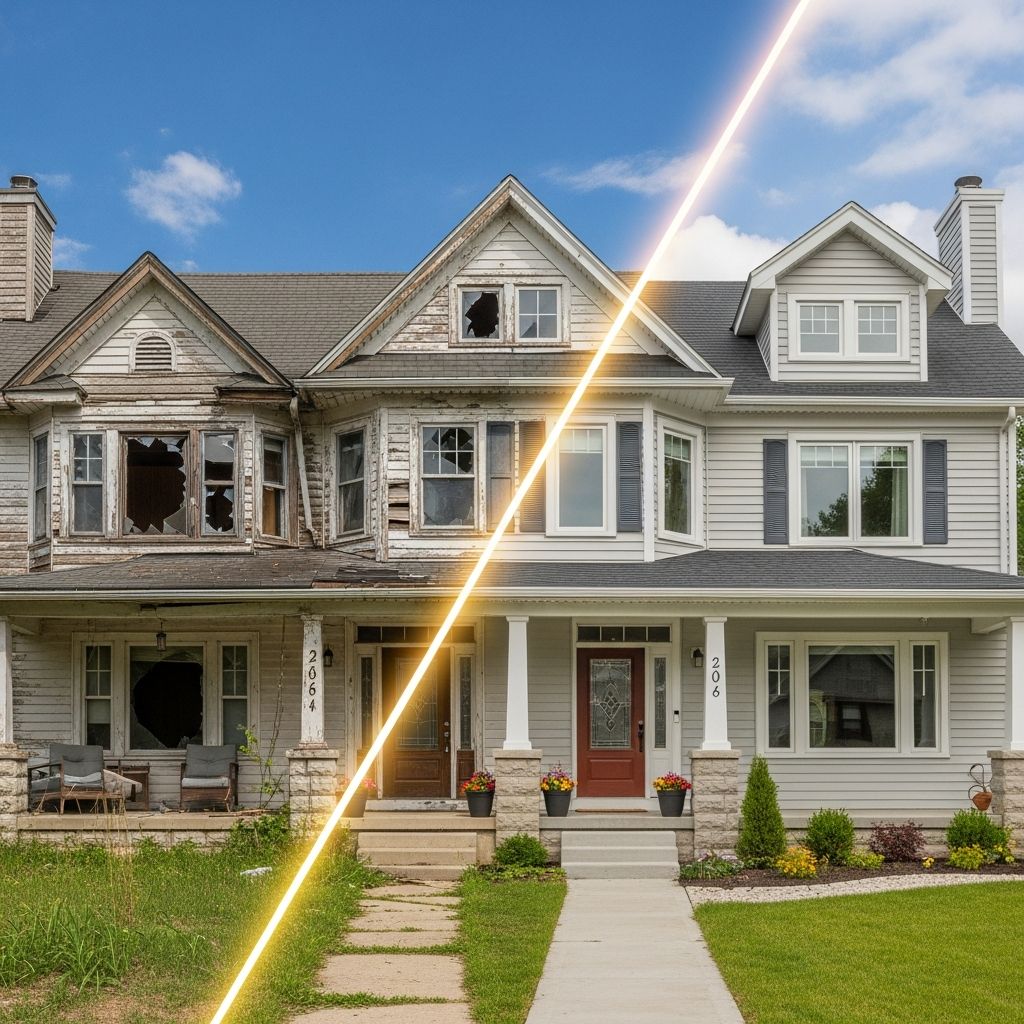
An FHA 203(k) loan is a specialized mortgage product that combines the cost of purchasing a home with the cost of remodeling or repairing it into a single loan. This innovative financing solution is designed for homebuyers who find properties with potential but require significant renovations. Rather than securing two separate loans—one for the purchase and another for repairs—borrowers can streamline the process with a single mortgage that covers both expenses. This approach can simplify financing, reduce paperwork, and potentially lower overall borrowing costs for qualified buyers.
Types of FHA 203(k) Loans
The FHA offers two distinct types of 203(k) loans, each tailored to different renovation scopes and budgets. Understanding the differences between these options is crucial for determining which loan type best suits your home improvement needs and financial situation.
Limited or Streamline 203(k) Loan
The limited 203(k) loan, also known as the streamline 203(k), is designed for homeowners planning minor improvements and non-structural projects. This option is ideal for borrowers who don’t need extensive renovations but want to update various aspects of their homes. With no minimum cost requirement, this loan type is accessible for projects of any scale. The maximum loan amount for limited 203(k) loans is capped at $75,000, making it suitable for homeowners with smaller budgeting needs. Projects that qualify for limited 203(k) loans include renovating a kitchen, painting interiors, replacing old carpeting, and preparing a home for sale. The flexibility and lower complexity of this loan type make it an attractive option for first-time homebuyers or those seeking modest home improvements.
Standard 203(k) Loan
The standard 203(k) loan, sometimes referred to as the full 203(k), accommodates more extensive renovation projects involving major structural work. This loan type requires a minimum repair cost of $5,000 and supports projects such as building an addition, undertaking significant structural modifications, or completing comprehensive home renovations. The maximum loan amount for standard 203(k) loans depends on your county’s FHA loan limits, providing greater flexibility for substantial renovation budgets. Standard 203(k) loans require oversight by a HUD-approved consultant who ensures the renovation plan meets both loan officer and FHA guidelines, adding a layer of professional supervision to larger projects.
| Loan Type | Designed For | Minimum Cost | Maximum Amount |
|---|---|---|---|
| Limited/Streamline 203(k) | Minor improvements, non-structural projects | None | $75,000 |
| Standard 203(k) | Major renovations, structural work | $5,000 | County FHA loan limits |
How Does an FHA 203(k) Loan Work?
An FHA 203(k) renovation loan operates as either a 15-year or 30-year fixed-rate or adjustable-rate mortgage (ARM). The specific amount you can borrow depends on several personal financial criteria, including your credit rating, income, and debt-to-income ratio. The total amount borrowed through 203(k) loans must remain within established FHA loan limits for your county, ensuring the combined purchase price and renovation costs don’t exceed these thresholds.
The process involves obtaining a single loan that covers both the home’s purchase price and the planned renovation expenses. The loan funds are typically held in a mortgage escrow account, with portions disbursed as renovation work progresses. This structured approach ensures that funds are used appropriately for their intended purpose and helps protect the lender’s investment. Upon completion of the renovations, the final mortgage balance reflects the full value of the improved property.
What Projects Are Covered
FHA 203(k) loans provide flexibility in what renovation projects they can finance, though certain restrictions apply. The loans cannot cover improvements such as adding a gazebo, swimming pool, or tennis court, as these are considered luxury additions rather than necessary home improvements. Additionally, repairs to co-ops or mixed-use properties are not eligible unless the property is primarily residential.
A limited 203(k) loan covers projects including kitchen renovations, interior painting, replacing old carpeting, and preparing a home for sale. Standard 203(k) loans encompass more comprehensive projects involving structural modifications, major system upgrades, and extensive remodeling work that exceeds the $75,000 threshold.
Eligibility Requirements for FHA 203(k) Loans
To qualify for an FHA 203(k) loan, borrowers must meet specific financial and personal criteria established by the FHA and lending institutions.
Credit Score and Down Payment
A minimum credit score of 580 with a 3.5 percent down payment is required, or a minimum credit score of 500 with a 10 percent down payment. This flexibility in credit score requirements makes FHA 203(k) loans accessible to borrowers who might not qualify for conventional financing. The lower down payment options compared to traditional mortgages reduce the initial capital requirements for homebuyers.
Debt-to-Income Ratio
Your debt-to-income (DTI) ratio, which measures your gross monthly income against your monthly debt payments, cannot exceed 43 percent. This requirement ensures that borrowers have sufficient income to manage the mortgage payments alongside their existing financial obligations. Lenders carefully calculate this ratio to assess your ability to handle the new loan responsibility.
Renovation Rules and Timeline
For a limited 203(k) loan, renovations are restricted to non-structural projects costing up to $75,000, and work must be completed within nine months of closing. For a standard 203(k) loan, the work must involve major construction and cost at least $5,000, with completion required within 12 months of closing. These timelines ensure that renovation work progresses in a reasonable timeframe and that the property reaches its intended improved value.
Primary Residence Requirement
The property must be your primary residence, meaning you intend to move in after the renovation is complete. Investment properties, second homes, and vacation properties are not eligible for FHA 203(k) financing.
Advantages of FHA 203(k) Loans
FHA 203(k) loans offer several compelling benefits for homebuyers considering properties that require work.
Single Loan for Multiple Purposes
Perhaps the most significant advantage is obtaining one loan for both the home purchase and renovations. This streamlines the borrowing process, reduces documentation requirements, and simplifies loan management. Rather than juggling two separate lenders, payment schedules, and interest rates, borrowers deal with a single mortgage.
Lower Credit Score Requirements
FHA 203(k) loans accommodate borrowers with credit scores as low as 500, significantly lower than conventional loan minimums. This accessibility opens homeownership opportunities for individuals rebuilding their credit or those with limited credit history.
Minimal Down Payment Requirements
With down payment options as low as 3.5 percent for borrowers with credit scores of 580 or higher, FHA 203(k) loans dramatically reduce the capital required to enter homeownership. This feature is particularly appealing to first-time homebuyers or those with limited savings.
Competitive Interest Rates
FHA 203(k) loans typically offer lower interest rates compared to credit cards, personal loans, or unsecured home improvement loans. This can result in significant savings over the life of the loan, especially for extensive renovation projects.
Temporary Housing Coverage
The loan can finance up to six months of mortgage payments if you need to live elsewhere during renovations because the home is uninhabitable. This feature provides financial relief for borrowers whose homes require substantial work that makes them temporarily unlivable.
Disadvantages and Considerations of FHA 203(k) Loans
While FHA 203(k) loans offer numerous advantages, potential borrowers should be aware of certain limitations and requirements.
Mortgage Insurance Premiums
All FHA loans, including 203(k) loans, require both upfront and annual mortgage insurance premiums (MIP). The upfront MIP is 1.75 percent of the loan amount, paid when you receive the loan. Annual MIP ranges from 0.45 percent to 1.05 percent, depending on the loan term, loan amount, and loan-to-value (LTV) ratio. These premiums remain in place for the life of the loan unless refinanced, adding to your overall borrowing costs.
Complex Underwriting Process
The 203(k) loan process involves more extensive documentation and underwriting compared to standard mortgages. Lenders must evaluate not only your financial qualifications but also the property’s condition, renovation plans, and the contractor’s qualifications. This increased complexity can extend the approval timeline.
Project Restrictions
Not all home improvement projects qualify for 203(k) financing. Luxury additions, repairs to certain property types, and projects exceeding specific cost thresholds may be ineligible. Understanding these restrictions is essential before committing to renovation plans.
Strict Timelines
Limited 203(k) loans require completion within nine months, while standard loans must be finished within 12 months. These timelines may be challenging for complex renovation projects or those encountering unforeseen delays.
Refinancing FHA 203(k) Loans
After your renovations are complete, you have refinancing options to potentially reduce your interest rate and mortgage insurance costs.
Standard Refinancing
After refinancing, a portion of the 203(k) proceeds pays off your existing mortgage, with the remaining funds kept in a mortgage escrow account until repairs are completed. Once renovations are finished and the property’s value has increased, you can refinance into a new mortgage at potentially better terms.
FHA Streamline Refinancing
You can also refinance an existing 203(k) mortgage through the FHA streamline program, which may help you secure an even lower interest rate. This streamlined process requires less documentation and underwriting compared to standard refinancing, making it an efficient option for borrowers seeking better terms on their existing FHA mortgages.
Frequently Asked Questions
Q: What is the main purpose of an FHA 203(k) loan?
A: The primary purpose is to allow homebuyers to purchase a property requiring repairs and finance both the purchase and renovation costs through a single mortgage, simplifying the borrowing process and potentially reducing overall costs.
Q: Can I use a 203(k) loan for any type of home improvement?
A: No, certain projects are not covered, including luxury additions like pools or gazebos, and repairs to non-residential or mixed-use properties. Limited loans cover only non-structural work up to $75,000.
Q: What is the difference between a limited and standard 203(k) loan?
A: Limited 203(k) loans cover minor, non-structural projects up to $75,000 with no minimum cost requirement and a 9-month completion timeline. Standard 203(k) loans cover major structural work with a $5,000 minimum, higher loan limits, and a 12-month completion timeline.
Q: How long does it take to get approved for a 203(k) loan?
A: Approval timelines vary, but the more complex underwriting process for 203(k) loans typically takes longer than standard mortgages. Having all documentation ready can help expedite the process.
Q: Can I refinance my 203(k) loan after renovations are complete?
A: Yes, after completing your renovations, you can refinance into a new mortgage at potentially better terms, or use the FHA streamline refinancing program for a more streamlined process.
Q: What if my renovations take longer than the allowed timeline?
A: Completing your project within the specified timeline is crucial. Extensions may be possible in certain circumstances, but it’s best to plan for timely completion and consult with your lender about any potential delays.
Q: Are mortgage insurance premiums required for 203(k) loans?
A: Yes, all FHA 203(k) loans require both an upfront mortgage insurance premium of 1.75% and annual premiums ranging from 0.45% to 1.05%, which remain for the life of the loan unless refinanced.
References
- FHA 203(k) Loans: What They Are And How They Work — Bankrate. 2024. https://www.bankrate.com/mortgages/what-is-203k-loan/
- How To Find The Best FHA Mortgage Lender — Bankrate. 2024. https://www.bankrate.com/mortgages/find-best-fha-lender/
- FHA 203(k) Loan: Renovation Mortgage Guidelines — NerdWallet. 2024. https://www.nerdwallet.com/mortgages/learn/fha-203k-renovation-loan
- FHA 203(k) Rehab Loan Explained — Guaranteed Rate. 2024. https://www.rate.com/mortgage/resource/fha-203-k-loan
- What Is An FHA Construction Loan? — Bankrate. 2024. https://www.bankrate.com/mortgages/fha-construction-loans/
- How Do We Rehabilitate the FHA’s 203(k) Rehabilitation Program? — Urban Institute. 2023. https://www.urban.org/sites/default/files/2023-04/How%20Do%20We%20Rehabilitate%20the%20FHA%E2%80%99s%20203(k)%20Rehabilitation%20Program%3F.pdf
Similar Articles








Read full bio of Sneha Tete