Fender Bender Guide: Step-By-Step Roadmap To Recovery
Master the essential steps to handle a minor car crash safely, legally, and efficiently after a fender bender.
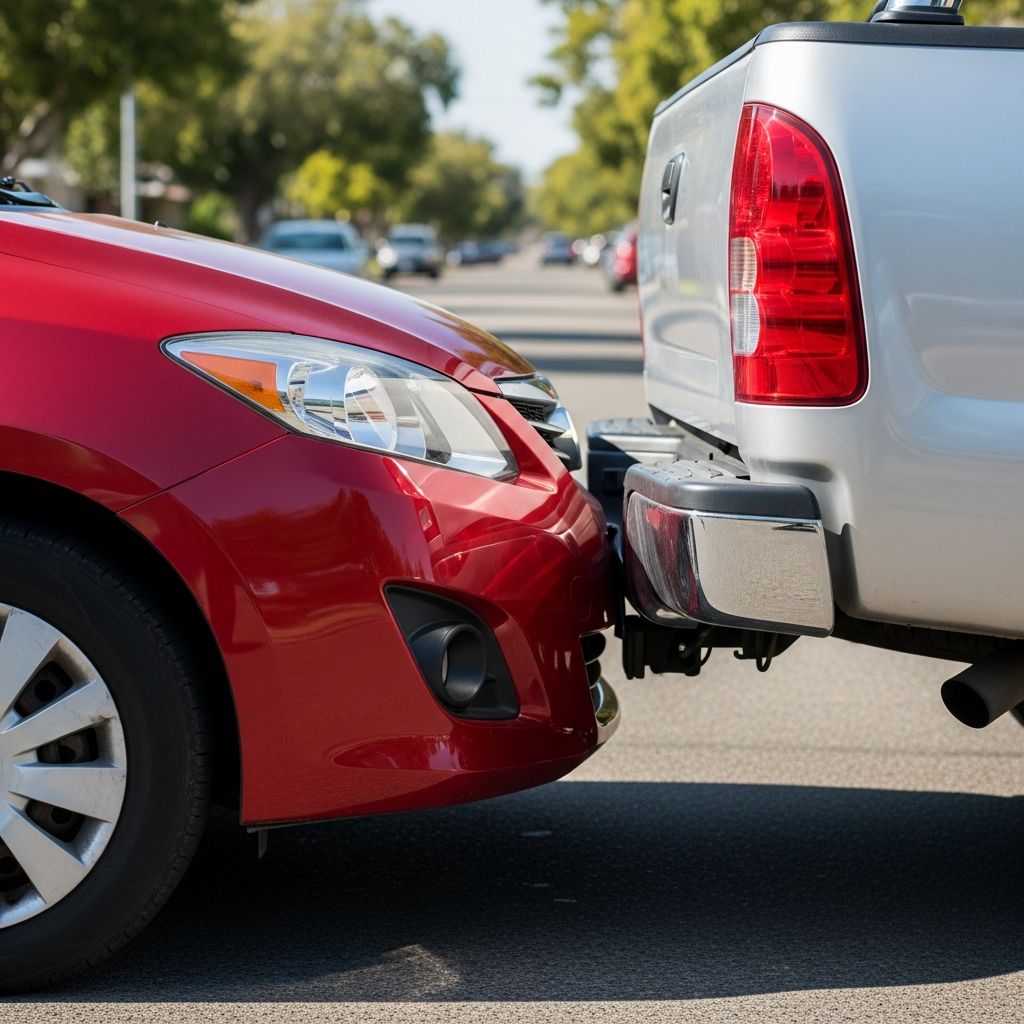
Minor collisions, often called fender benders, happen frequently on roads everywhere. These low-speed impacts typically involve little structural damage but can still disrupt your day and lead to unexpected expenses or disputes. Knowing the right protocol ensures you stay safe, protect your rights, and streamline repairs. This guide outlines every phase, from the moment of impact to claim resolution, empowering you to respond effectively.
Prioritizing Safety Right After Impact
The split second after a bump demands quick thinking focused on preventing further harm. Activate your hazard lights immediately to alert nearby drivers, reducing the risk of secondary crashes. If drivable, maneuver your vehicle to the roadside shoulder, a nearby lot, or any secure spot away from traffic flow. Texas law, for instance, mandates moving vehicles when feasible to avoid blocking lanes.
Next, assess everyone involved for injuries. Even seemingly trivial crashes can cause whiplash, bruises, or internal issues that surface later. Scan yourself first—adrenaline often masks pain—then check passengers and the other driver. If anyone complains of discomfort, especially head, neck, or back pain, refrain from moving them, as this could worsen conditions. Dial 911 for emergency services without delay.
- Turn on hazard lights instantly.
- Relocate vehicles safely if possible.
- Evaluate for injuries and summon medical help if needed.
- Avoid sudden movements for potentially hurt individuals.
Summoning Authorities and Reporting the Incident
Contact local police promptly, regardless of apparent severity. An official report provides crucial documentation for insurance and liability disputes. In many states like Texas, you must report if damages exceed $1,000 or injuries occur. Officers document details, witness statements, and initial findings, creating an impartial record. Request a copy of the report for your insurer.
While waiting, resist discussing fault. Statements like “I’m sorry” or admissions can be twisted later in claims. Politely gather essentials from the other party instead.
Capturing Evidence: The Power of Documentation
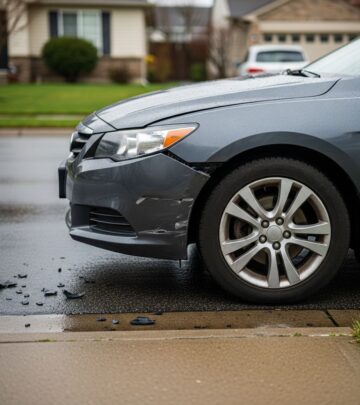
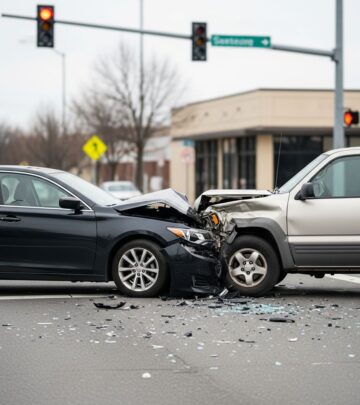
Thorough records form the backbone of successful claims. Use your phone to photograph all angles of damage on both vehicles, including bumpers, lights, and undercarriages. Capture the scene broadly: vehicle positions, skid marks, traffic signals, and road conditions. Snap license plates, insurance cards, and driver’s licenses clearly.
Secure witness contacts if bystanders observed the event—their accounts bolster your narrative. Jot notes on weather, time, speed, and sequence of events. This evidence counters discrepancies and supports adjusters.
| Documentation Item | Why It Matters | Best Practices |
|---|---|---|
| Vehicle Damage | Proves extent for repair quotes | Multiple angles, close-ups, before/after if possible |
| Scene Overview | Reconstructs positions and causes | Wide shots including surroundings |
| Other Driver Info | Enables verification and claims | Photos of ID, plates, insurance |
| Witness Details | Provides neutral perspectives | Names, phones, brief statements |
Exchanging Details Without Admissions
Share only required information: full names, phone numbers, addresses, driver’s license numbers, vehicle details (make, model, year, color, VIN), and insurance policy info. Provide your own similarly. Decline to speculate on blame—let facts and reports decide.
If the other driver pressures for cash settlements or no-report deals, stand firm. Police involvement protects against fraud or underreported injuries.
Engaging Your Insurance Provider Early
Report the incident to your insurer immediately, even if not at fault. Delays disadvantage you if the other party files first. Detail the event factually, share photos and report numbers. They’ll guide on claims, coverage, deductibles, and next steps like appraisals.
Many providers offer apps or hotlines for quick submissions. Expect questions on circumstances, damages, and injuries. If another party’s insurer contacts you, direct them to yours.
Navigating Medical Evaluations and Hidden Injuries
Seek professional check-ups soon after, even without obvious symptoms. Soft-tissue damages like strains often emerge 24-48 hours later. Document visits, diagnoses, and treatments for potential personal injury claims.
Track all costs: bills, prescriptions, therapy. This builds a comprehensive reimbursement case, as minor crashes account for significant delayed claims.
Repair Process: Estimates, Shops, and Costs
Obtain damage estimates from certified shops. Insurers may assign adjusters or approve photo-based assessments. You’re free to choose repairers, though recommendations help. Pay your deductible upfront; seek reimbursement if not liable (varies by state).
Opt for original parts if quality matters, and get written approvals for extras. Rentals may be covered under policies—confirm limits.
Legal Thresholds and State Variations
Laws differ: Texas requires reports for $1,000+ damage or injuries. Other areas have similar triggers. No-fault states handle medicals differently. Consult local DMV sites for specifics. If disputes arise or injuries mount, involve attorneys early to safeguard rights.
Common Mistakes That Cost Drivers Dearly
- Skipping police: Leaves you vulnerable without official proof.
- Admitting fault: Undermines claims prematurely.
- Poor documentation: Weakens arguments against insurers.
- Delaying reports: Risks policy lapses or biases.
- Ignoring check-ups: Misses compensable injuries.
Insurance Claim Timeline Expectations
Claims typically resolve in weeks: initial report (day 1), estimate (days 2-5), approval/repairs (1-4 weeks). Monitor via portals. Complex cases with disputes extend timelines. Patience and organization expedite resolutions.
FAQs: Quick Answers to Fender Bender Concerns
Do I always need a police report for minor damage?
Yes, especially if over state thresholds like $1,000 in Texas, or for protection.
Should I accept cash from the other driver?
Avoid it—lacks proof and skips insurance protections.
What if no one is hurt?
Still report to police and insurer; latent issues common.
Can I drive my damaged car?
If safe and legal, yes; otherwise, tow it.
How soon to see a doctor?
Within 24 hours to catch hidden problems.
Preventing Future Fender Benders
Defensive habits cut risks: maintain distances, scan mirrors, avoid distractions. Regular maintenance ensures brakes and tires perform. These steps preserve safety and premiums.
References
- Step-by-Step Guide on What to Do After a Fender Bender in New Orleans — Wright Gray. 2023. https://wrightgray.com/step-by-step-guide-on-what-to-do-after-a-fender-bender-in-new-orleans/
- Things To Do After A Fender Bender — Allstate Insurance. 2024. https://www.allstate.com/resources/car-insurance/first-fender-bender
- Your Quick Guide to Handling a Fender Bender Accident in Texas — TXK Today. 2023. https://txktoday.com/technology/your-quick-guide-to-handling-a-fender-bender-accident-in-texas/
- Got into a Car Accident: Step-by-Step Guide — Colstan Law. 2024. https://colstan.com/what-to-do-after-car-accident/
- Fender Bender: What To Do After A Minor Car Accident — Torhoerman Law. 2023. https://www.torhoermanlaw.com/fender-bender-what-to-do-after-a-minor-car-accident/
Similar Articles








Read full bio of Sneha Tete