Federal Support Options for Economically Disadvantaged Households
Comprehensive guide to safety-net programs providing aid for food, housing, and essential services.
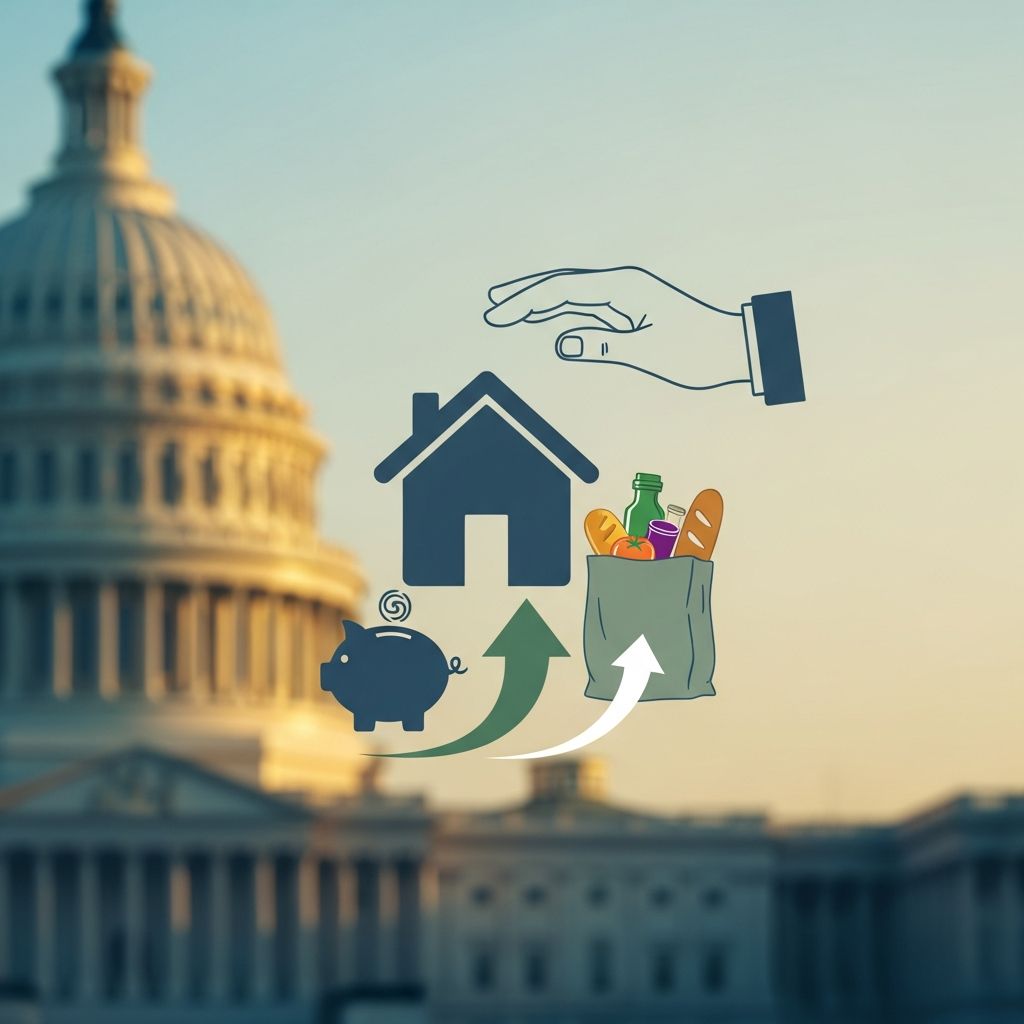
Millions of American families struggle to meet their basic needs each year. The good news is that federal and state governments offer numerous assistance programs designed to help households with limited financial resources access essential services. These programs provide support for food security, housing stability, utility payments, childcare, education, and healthcare. Understanding what assistance is available and how to qualify can make a significant difference for families facing economic hardship.
Overview of National Safety-Net Programs
The United States maintains a comprehensive system of federal assistance programs administered at both the national and state levels. These initiatives recognize that families experiencing financial difficulties may need temporary support to achieve stability and self-sufficiency. While eligibility requirements and benefit amounts vary by program and location, the common goal is to provide relief from the most pressing financial burdens that low-income households face.
The primary distinction between these programs lies in their focus areas. Some target specific demographics such as families with children, elderly individuals, or people with disabilities. Others address particular expenses like food costs or heating bills. Many programs work in conjunction with one another, allowing families to access multiple forms of assistance simultaneously based on their circumstances.
Income-Based Cash Support Programs
Temporary Assistance for Needy Families (TANF): Direct Financial Relief
TANF, commonly referred to as welfare, represents one of the oldest federal assistance initiatives in the country. This program delivers temporary cash payments to eligible low-income families who are raising children. Unlike some assistance programs, TANF functions as a direct income supplement, though benefit amounts typically remain modest and supplementary rather than comprehensive.
The program operates under a decentralized model where each state receives federal funding but retains considerable flexibility in determining how benefits are distributed and what support services accompany cash assistance. Consequently, the services available and monthly payment amounts differ substantially across states. States may offer complementary services including vocational training, employment placement assistance, and subsidized childcare to help recipients transition toward economic independence.
Eligibility criteria for TANF include demonstrating low household income, unemployment or underemployment status, U.S. citizenship or qualified legal residency, and responsibility for at least one minor child or being a minor household head. Monthly payments in median states typically averaged $549 as of mid-2024, representing an increase from previous years but remaining insufficient as a sole income source.
Application process: Interested applicants should visit their state’s TANF office or website to determine local eligibility standards and submit required documentation.
Supplemental Security Income (SSI): Support for Vulnerable Populations
The SSI program addresses the needs of America’s elderly, blind, and disabled populations with limited financial resources. This initiative provides monthly cash stipends to approximately 8.4 million recipients, with roughly 7.3 million receiving benefits due to disability or visual impairment. Average monthly payments reach approximately $536 per person, designated for essential expenses including food, clothing, and housing.
Unlike TANF, which focuses on families with children, SSI specifically targets individuals aged 65 and older, working-age adults with disabilities, and individuals who are blind. The program recognizes that these populations often face unique barriers to employment and income generation, making targeted financial support essential for meeting basic survival needs.
Food Security and Nutritional Assistance
Supplemental Nutrition Assistance Program (SNAP): Addressing Food Insecurity
SNAP, formerly known as the food stamp program, reaches over 47.6 million individuals across approximately 23 million American households, making it one of the nation’s largest assistance initiatives. Eligible participants receive Electronic Benefits Transfer (EBT) cards functioning as debit cards, usable exclusively at authorized retail grocers and farmers’ markets for qualifying food items.
The program provides an average monthly benefit of approximately $133 per person, though actual awards depend on household size, income level, and other financial resources. Eligibility typically requires that gross household monthly income remain at or below 130% of federal poverty guidelines, though households containing elderly or disabled members may qualify with higher income levels.
Key eligibility factors include:
- Household income thresholds aligned with federal poverty calculations
- Asset limitations, with exceptions for elderly or disabled household members
- Employment or work-training participation requirements for non-disabled, non-elderly adults
- Residency in the state where application occurs
Application: SNAP is administered through state agencies. Many states offer online application options, and residents should contact their local SNAP office for eligibility assessment and application procedures.
Specialized Nutrition Programs for Vulnerable Groups
Beyond SNAP, the federal government operates additional nutrition-focused assistance targeting specific populations. The Special Supplemental Food Program for Women, Infants, and Children (WIC) serves pregnant individuals, nursing mothers, and children through age five, providing food or vouchers alongside nutritional education and referrals. As of 2017, approximately 7.7 million people received monthly WIC benefits.
The Child Nutrition Program ensures school-aged children access free or reduced-cost lunch options, serving approximately 30 million students annually. These complementary programs work collectively to address food insecurity across all age groups and life stages.
Housing Assistance and Stability Programs
Housing Choice Vouchers: Reducing Residential Costs
The Housing Choice Voucher Program, commonly referenced as the former Section 8 initiative, provides rental assistance to very low-income families, elderly households, and disabled individuals. This federally-funded program, administered through local public housing agencies, subsidizes a portion of monthly rent payments, limiting tenant contributions to approximately 30% of household income.
Program scope and reach: The initiative currently provides 1.2 million units of public housing while serving approximately 2.2 million renters through local agencies. Eligible recipients typically include households with income not exceeding 50% of median income in their respective county or city, with consideration given to family size and accumulated assets.
Important limitations: Participating rental properties must satisfy government-established health and safety standards. Due to high demand, eligible families often experience substantial waiting periods before vouchers become available for use.
Public Housing and Homeownership Assistance
Beyond rental vouchers, some public housing agencies permit families to apply vouchers toward modest home purchases, supporting pathways to property ownership for extremely low-income households. Additionally, certain state and local programs, such as the Ohio Homestead Exemption Program, offer property tax reductions to low-income seniors and permanently disabled homeowners.
Utility and Energy Support Services
Low-Income Home Energy Assistance Program (LIHEAP): Ensuring Essential Services
LIHEAP addresses the substantial burden heating and cooling costs impose on low-income households by providing financial assistance with utility bills and related energy expenses. Beyond basic bill payment support, most states utilize LIHEAP funds for crisis intervention when utility shutoff notices are issued, weatherization improvements that reduce long-term energy consumption, and repairs addressing energy-related home deficiencies.
Eligibility factors vary by state but generally consider household location, size, income level, energy costs relative to household resources, and receipt of other federal benefits. Applicants can assess their eligibility through the LIHEAP Clearinghouse website, which provides state-specific information and contact details.
The program distributes approximately $3.4 billion in block grants to states annually, enabling targeted support during peak heating and cooling seasons when energy costs spike dramatically.
Education and Early Development Initiatives
Head Start and Early Head Start: Preparing Children for Success
Head Start programs offer free education and developmental services to low-income children from birth through age five, with separate initiatives serving different age groups. Traditional Head Start serves children ages three and four through preschool programming, while Early Head Start addresses needs of infants, toddlers, and in some instances, pregnant individuals.
Program accessibility: Families with income at or below current poverty levels automatically qualify for enrollment. Additionally, families receiving TANF, SSI, or SNAP qualify regardless of income level, ensuring that families utilizing other assistance programs can access early childhood education without additional documentation.
These programs recognize the critical importance of early intervention and educational preparation during formative developmental years, particularly for children in economically disadvantaged circumstances.
Healthcare Coverage Expansion
Children’s Health Insurance Program (CHIP) and Medicaid
Federal healthcare programs extend coverage to low-income families and children who would otherwise lack health insurance access. The Children’s Health Insurance Program (CHIP) and Medicaid provide comprehensive medical coverage, including preventive care, medications, and emergency services.
Healthcare assistance programs typically align with SNAP income thresholds and provide automatic qualification for families receiving other federal benefits. This integration ensures that families accessing one form of assistance can readily obtain healthcare coverage without navigating separate, redundant eligibility processes.
Tax-Based Income Support MechanismsEarned Income Tax Credit (EITC): Rewarding Work and Reducing Poverty
The EITC functions as a tax credit delivered through the Internal Revenue Service to working families with children earning below specified income thresholds. To qualify, families must earn less than approximately $51,567 annually and have at least one dependent child.
This program demonstrates substantial poverty-reduction effectiveness. Over 27 million taxpayers received EITC credits totaling $63 billion in 2012, averaging approximately $2,335 per recipient. Notably, the EITC lifted 6.5 million people out of poverty, with half of those beneficiaries being children.
Unlike means-tested assistance programs requiring annual recertification, the EITC is claimed during tax filing, making it accessible to working families who may not be aware of or comfortable applying for traditional welfare programs.
Telecommunication Access for Low-Income Households
Lifeline Program: Ensuring Communication Access
The Lifeline program supports eligible low-income consumers in accessing essential telephone services by subsidizing monthly service costs. Eligibility extends to consumers with income at or below 135% of federal poverty guidelines or to individuals participating in SNAP, Medicaid, SSI, Federal Public Housing Assistance, or Veterans benefits programs.
Program availability extends across all states, U.S. territories, and federally-recognized Tribal lands. Eligible individuals can check online resources identifying Lifeline providers operating in their geographic area and determining specific benefit qualification amounts.
Application Process and Navigation Resources
Accessing Multiple Benefits Simultaneously
Many families qualify for multiple assistance programs, and coordinated application processes streamline access. Federal and state agencies coordinate data to facilitate cross-program eligibility determination. For example, families receiving SNAP automatically qualify for certain Head Start provisions without additional documentation.
General application steps include:
- Identifying relevant programs based on household composition and needs
- Contacting state or local program agencies for eligibility assessment
- Gathering required financial documentation and household information
- Submitting applications through online portals, mail, or in-person interviews
- Responding promptly to requests for additional information or verification
- Maintaining annual or biennial recertification documentation
Centralized Benefit Navigation
Both federal and state websites provide centralized access to program information. The official government benefits website (usa.gov) offers comprehensive program directories, eligibility calculators, and direct links to state agencies administering local programs. Many states maintain single-portal benefit application systems enabling residents to explore multiple programs and submit applications through unified platforms.
Frequently Asked QuestionsWhat income level qualifies as “low-income” for assistance programs?
Income thresholds typically range between 130% and 200% of federal poverty guidelines, varying by program and household composition. Current federal poverty guidelines are updated annually and available through the Department of Health and Human Services website.
Can families receive benefits from multiple programs simultaneously?
Yes, many families qualify for multiple assistance programs. Programs often use coordinated eligibility systems, and qualifying for one program may automatically establish eligibility for others.
How long can families receive temporary assistance?
TANF recipients typically face five-year lifetime limits, though some states offer shorter benefit periods. Participants generally must pursue employment within two years of benefit receipt.
Are undocumented immigrants eligible for assistance?
Most federal assistance programs require U.S. citizenship or qualified legal residency status. Specific eligibility rules vary by program and should be confirmed through state agencies.
Do assistance programs count savings or assets against eligibility?
Most programs establish asset limits, though households containing elderly or disabled members often receive favorable asset treatment. SNAP, for example, permits higher asset levels for such households.
Conclusion
The federal safety-net system provides diverse assistance pathways addressing the multifaceted challenges facing low-income households. From nutritional support through SNAP to housing assistance and utility bill relief, these programs collectively enable vulnerable families to meet basic needs while pursuing economic stability. Understanding available programs, determining eligibility, and navigating application processes represents the critical first step toward accessing support. Families facing financial hardship should not hesitate to explore these resources, as eligibility determination is often the responsibility of program administrators rather than self-assessment by potential recipients.
References
- 7 Types of Government Assistance for Low-Income Families — Experian. 2024. https://www.experian.com/blogs/ask-experian/government-programs-for-low-income-families/
- Top government programs for low-income families — HealthSherpa. https://blog.healthsherpa.com/top-10-government-programs-for-low-income-families/
- Government benefits — USAGov. https://www.usa.gov/benefits
- Assistance Programs and Supportive Services — Ohio Benefits — State of Ohio. https://benefits.ohio.gov/home/resources/assistance-programs
Similar Articles








Read full bio of Sneha Tete