Federal Reserve System: Structure, Functions & Purpose
Understanding the Federal Reserve System: Its role in monetary policy, banking regulation, and economic stability.
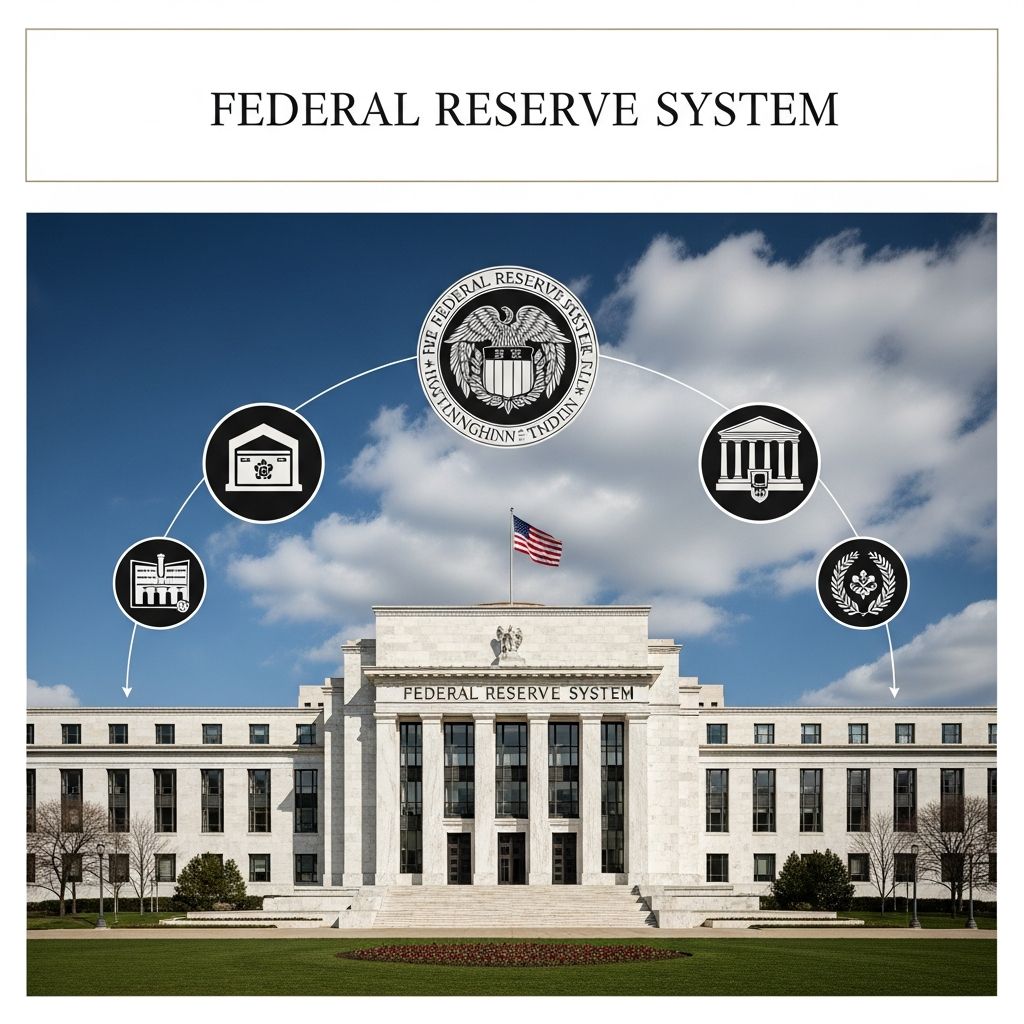
Understanding the Federal Reserve System
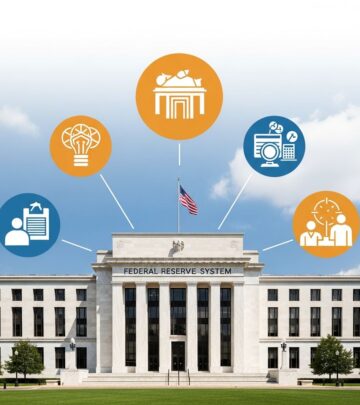
The Federal Reserve System is the central banking authority of the United States, established to serve the public interest and maintain the health of the U.S. economy and financial system. Often referred to simply as “the Fed,” this institution plays a crucial role in shaping monetary policy, regulating financial institutions, and ensuring economic stability. Understanding how the Federal Reserve works is essential for anyone interested in personal finance, investing, or the broader economy.
The Federal Reserve was created by Congress as an independent agency, enabling it to carry out its responsibilities while being protected from excessive political and private pressures. However, the institution remains accountable to Congress and operates within a framework designed to balance centralized oversight with decentralized operations across the country.
The Structure of the Federal Reserve System
The Federal Reserve System comprises three major components that work together to implement monetary policy and supervise the nation’s banking system. Each component has distinct responsibilities, yet they coordinate closely to achieve the Fed’s objectives.
The Board of Governors
The Board of Governors is the presidentially appointed independent federal agency located in Washington, D.C. This governing body consists of seven members who serve staggered 14-year terms, with appointments made by the President and confirmed by the Senate. The structure ensures continuity while preventing any single president from appointing all board members simultaneously.
The Board of Governors holds significant responsibility for overseeing the entire Federal Reserve System’s operations. Their duties include making regulatory decisions, setting reserve requirements for depository institutions, and guiding the overall direction of monetary policy. The Chair of the Board of Governors also serves as the Chair of the Federal Open Market Committee, making this position one of the most influential economic leadership roles in the country.
The Twelve Federal Reserve Banks
The Federal Reserve operates through a decentralized network of 12 regional Federal Reserve Banks located in major cities throughout the nation. These banks divide the country into twelve Federal Reserve districts, ensuring that economic conditions and financial needs across different regions are considered in policymaking. Additionally, these 12 regional banks operate 25 branches throughout the country, extending the Fed’s reach and operational capacity.
Each Federal Reserve Bank operates as an independently incorporated entity with its own nine-member board of directors. Six of these board members are elected by member banks in the district, while the remaining three are designated by the Board of Governors. This structure combines private sector input with federal oversight. The Federal Reserve Banks act as fiscal agents for the U.S. Treasury and monitor the economy and financial institutions within their districts, providing essential financial services to the U.S. government and depository institutions.
The Federal Open Market Committee (FOMC)
The Federal Open Market Committee is the primary monetary policymaking body of the Federal Reserve System. Composed of the seven members of the Board of Governors and five representatives selected from the 12 regional Federal Reserve Banks, the FOMC is charged with overseeing open market operations—the principal tool of U.S. monetary policy. The president of the Federal Reserve Bank of New York is a permanent voting member, while the other Reserve Bank presidents serve as voting members on a rotating basis for one-year terms.
The FOMC meets eight times annually in Washington, D.C., to review regional financial and economic conditions, release economic projections, and set monetary policy by voting on key decisions about interest rates. All 12 Reserve Bank presidents participate in FOMC discussions, contributing insights into their regional economic conditions, though only the five designated voting members officially cast ballots on policy decisions. When journalists or economists discuss “the Fed” setting monetary policy, they typically refer to the FOMC.
Key Functions of the Federal Reserve
The Federal Reserve System performs five critical functions to promote the effective operation of the U.S. economy and serve the public interest. These functions work together to create a stable financial environment that supports economic growth.
1. Conducting Monetary Policy
The Federal Reserve’s primary responsibility is formulating and implementing the nation’s monetary policy. Congress has prescribed two specific goals for the Fed’s monetary policy efforts: promoting maximum employment and maintaining price stability. These dual mandates drive all policy decisions and represent the Fed’s commitment to balancing economic growth with inflation control.
The Fed responds to changing economic conditions by basing its policy decisions on current economic and financial information. Staff economists and analysts at the Reserve Banks and Board of Governors provide continuous economic analysis that influences FOMC policy actions. This data-driven approach ensures that monetary policy responds appropriately to real-world economic developments.
2. Helping Maintain Financial System Stability
Beyond daily monetary policy operations, the Federal Reserve works to prevent and manage financial crises that could threaten the broader economy. This function became particularly evident during the 2008 financial crisis when the Fed implemented emergency measures to stabilize financial markets and prevent economic collapse. The Fed’s role in maintaining financial system stability involves monitoring systemic risks and taking preemptive action when necessary.
3. Supervising and Regulating Financial Institutions
The Federal Reserve supervises and regulates various financial institutions to ensure the safety and soundness of the nation’s banking system. The Fed’s supervisory authority extends to bank holding companies, state-chartered banks that are members of the Federal Reserve System, and other financial entities. Through examination and oversight, the Fed ensures that financial institutions maintain adequate capital reserves, manage risk appropriately, and comply with federal banking laws.
4. Fostering Payment and Settlement System Safety and Efficiency
The Federal Reserve operates critical payment and settlement systems that process trillions of dollars daily, ensuring that money moves smoothly through the economy. By maintaining the integrity and efficiency of these systems, the Fed reduces financial friction and supports commerce.
5. Promoting Consumer Protection and Community Development
The Federal Reserve also holds responsibility for consumer protection and community development initiatives. This function reflects the Fed’s broader mission to serve the public interest, not just financial institutions.
Tools of Monetary Policy
To achieve its dual mandate of maximum employment and price stability, the Federal Reserve employs several sophisticated tools to influence the flow of money and credit through the economy.
Reserve Requirements and Reserve Balances
One fundamental tool involves managing reserve requirements for depository institutions. All U.S. depository institutions must maintain reserves equal to specified percentages of their deposits, held either as cash on hand or as account balances at Federal Reserve Banks. By adjusting reserve requirements, the Fed influences the amount of money that banks can lend to businesses and consumers, thereby affecting overall credit availability in the economy.
Open Market Operations (OMO)
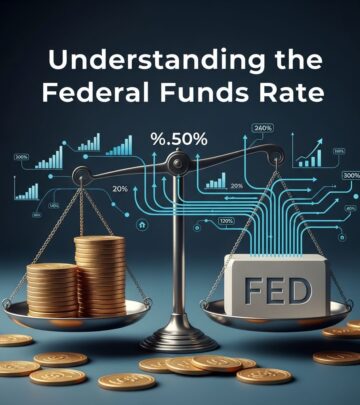
Open market operations represent the principal tool of U.S. monetary policy. Through OMOs, the Federal Reserve adjusts the supply of reserve balances to influence the federal funds rate—the interest rate at which depository institutions lend reserve balances to each other overnight. When the FOMC establishes a target for the federal funds rate, it guides the Fed’s open market operations toward maintaining rates near that target.
When the Federal Reserve buys government securities through open market operations, it credits the reserve accounts of the depository institutions handling the transactions. These larger reserve accounts give banks more money available for lending and investing in the economy, effectively expanding credit availability. Conversely, when the Fed sells securities, it reduces reserves and tightens credit conditions.
The Discount Rate
Each Federal Reserve Bank sets a discount rate—the interest rate charged to member banks borrowing directly from the Fed’s “discount window.” Changes to the discount rate influence borrowing costs for banks, which subsequently affects their lending behavior and the broader economy. While subject to approval by the Board of Governors, the regional structure allows each bank to set rates reflecting local conditions.
Membership and Governance
The Federal Reserve System includes numerous private U.S. member banks, which hold required amounts of non-transferable stock in their regional Federal Reserve Banks. This structure combines public and private characteristics, reflecting the Federal Reserve’s unique hybrid nature. Member banks elect six of the nine members of their regional Reserve Bank’s board of directors, giving the private banking sector input into Fed governance while maintaining federal oversight.
How the Federal Reserve Influences the Economy
The Federal Reserve’s actions ripple through the entire economy by influencing financial conditions and economic behavior. When the Fed tightens monetary policy by raising interest rates or reducing the money supply, borrowing becomes more expensive for businesses and consumers, typically slowing economic growth but helping control inflation. Conversely, when the Fed eases policy by lowering interest rates or increasing the money supply, borrowing becomes cheaper, stimulating spending and investment but risking higher inflation.
The Fed’s communication with the public about its policy decisions has become increasingly important. By explaining the rationale behind policy choices and providing forward guidance about future actions, the Fed influences expectations about future economic conditions and interest rates. These expectations, in turn, affect current economic decisions by businesses and consumers.
Accountability and Congressional Oversight
Although established as an independent agency to insulate monetary policy from short-term political pressures, the Federal Reserve remains accountable to Congress. The Fed operates on its own earnings rather than requiring congressional appropriations, reducing potential leverage that Congress might otherwise exercise. However, Congress retains the authority to modify the Fed’s structure, responsibilities, and mandate through legislation.
The Federal Reserve’s independence is not absolute isolation from political processes but rather a specific type of accountability designed to protect long-term economic stability from short-term political considerations. This balance reflects the framers’ understanding that effective monetary policy requires insulation from election cycles while remaining ultimately accountable to the public through their elected representatives.
Frequently Asked Questions
Q: What is the primary purpose of the Federal Reserve?
A: The Federal Reserve serves as the central bank of the United States, responsible for formulating monetary policy to promote maximum employment and price stability. It also supervises financial institutions, maintains financial system stability, and provides banking services to the U.S. government.
Q: How many regional Federal Reserve Banks exist?
A: There are 12 regional Federal Reserve Banks located throughout the country, dividing the nation into 12 Federal Reserve districts. These banks operate 25 branches collectively to serve their districts.
Q: Who appoints the Board of Governors?
A: The President of the United States appoints the seven members of the Board of Governors with the advice and consent of the Senate. Board members serve 14-year staggered terms, ensuring institutional continuity.
Q: How does the Federal Reserve influence interest rates?
A: The Federal Reserve primarily influences interest rates through open market operations, buying and selling government securities to adjust the supply of reserve balances in the banking system. This influences the federal funds rate, which serves as the benchmark for other interest rates throughout the economy.
Q: What is the dual mandate of the Federal Reserve?
A: The Federal Reserve’s dual mandate, as prescribed by Congress, is to promote maximum employment and price stability. These two goals sometimes create tension, requiring the Fed to balance stimulating job growth against controlling inflation.
Q: How often does the FOMC meet?
A: The Federal Open Market Committee meets eight times annually in Washington, D.C., to review economic conditions and make monetary policy decisions. These regularly scheduled meetings occur roughly every six weeks.
Q: Is the Federal Reserve accountable to Congress?
A: Yes, although the Federal Reserve operates as an independent agency, it remains accountable to Congress. Congress retains authority over the Fed’s structure and mandate, and the Fed reports regularly to legislative committees about its activities and policy decisions.
References
- Structure of the Federal Reserve System — Wikipedia. https://en.wikipedia.org/wiki/Structure_of_the_Federal_Reserve_System
- Structure and Functions of the Federal Reserve System — U.S. Congress, Congressional Research Service. https://www.congress.gov/crs_external_products/RS/PDF/RS20826/RS20826.pdf
- The Fed’s Functions – Federal Reserve Structure and Functions — Federal Reserve Bank of Atlanta. https://www.atlantafed.org/about/publications/fed-structure-and-functions/functions
- The Fed Explained — Federal Reserve Board. https://www.federalreserve.gov/aboutthefed/the-fed-explained.htm
- Understanding the Federal Reserve’s Structure — Federal Reserve Bank of Cleveland. https://www.clevelandfed.org/about-us/understanding-the-federal-reserve
- The Federal Reserve System Purposes & Functions — Federal Reserve Board. https://www.federalreserve.gov/aboutthefed/files/pf_1.pdf
- The Fed’s Structure — Federal Reserve History. https://www.federalreservehistory.org/essays/fed-structure
Similar Articles








Read full bio of Sneha Tete