Understanding Federal Rate Cuts and Credit Card Interest
Discover how Federal Reserve rate adjustments affect your credit card APR and what you can do about it.
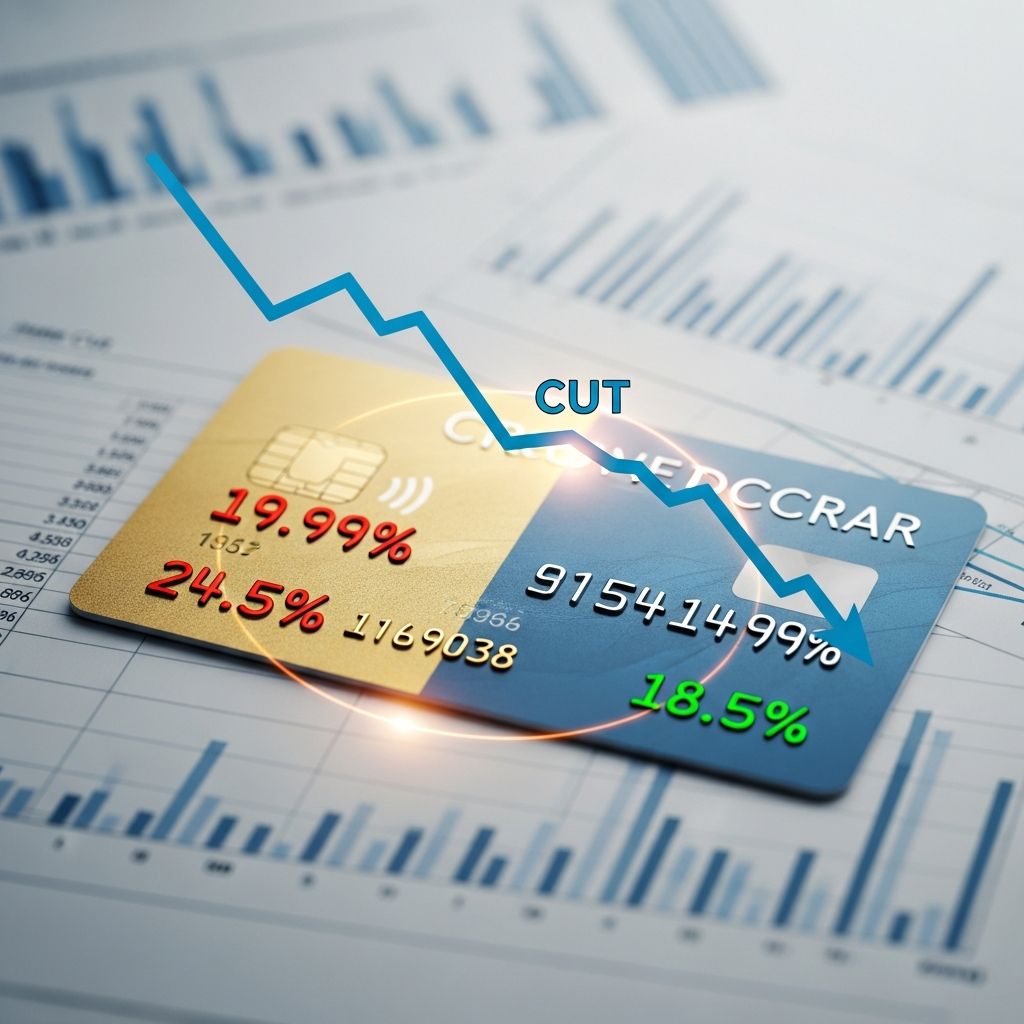
When the Federal Reserve announces an interest rate cut, consumers often hope for immediate relief on their credit card bills. However, the relationship between Fed policy decisions and credit card interest rates is far more complicated than many people realize. While some forms of consumer debt benefit noticeably from lower rates, credit cards operate under different rules that can leave cardholders disappointed despite overall economic easing.
The Disconnect Between Fed Policy and Credit Card Rates
Credit card interest rates are technically variable rates that connect to the prime rate, which moves in alignment with the Federal Reserve’s benchmark rate. This technical relationship suggests that when the Fed cuts rates, credit card APRs should follow suit. In theory, this creates a straightforward cause-and-effect relationship: lower Fed rates should mean lower credit card costs for consumers.
The reality, however, diverges significantly from this theoretical model. Credit card companies have demonstrated a consistent historical pattern of rapid rate increases when the Fed raises rates, but considerably slower reductions when the Fed cuts rates. This asymmetrical behavior creates a situation where cardholders benefit quickly from rate hikes but experience minimal gains from rate cuts.
Financial institutions maintain substantial discretionary control over the rates they charge cardholders. Federal law does not require credit card issuers to pass along the full benefit of a Fed rate cut to borrowers. This regulatory gap gives card companies the freedom to retain much of the benefit themselves while keeping customer rates elevated.
Why Credit Card Companies Resist Lowering Rates
Multiple factors influence credit card companies’ reluctance to reduce rates when the Fed cuts:
- Profit preservation: Card issuers use rate cuts as an opportunity to maintain margins rather than pass savings to customers
- Default risk buffering: During uncertain economic periods, elevated rates serve as a protective buffer against potential payment defaults
- Competitive positioning: Card issuers monitor competitor rates and may keep rates high if market competition permits
- Credit profile considerations: Individual cardholder credit scores, payment histories, and creditworthiness affect personalized rates
- Regulatory environment: Changes in lending regulations and supervisory guidance influence rate-setting decisions
Current Credit Card Rate Environment
The contemporary credit card landscape reflects historically elevated interest rates. As of recent data, average credit card APRs hover around 22-24 percent for new card offers, with some cards charging well over 25 percent. Store-branded credit cards present even steeper rates, frequently exceeding 30 percent. These rates have nearly doubled compared to levels from a decade ago, creating substantial financial burdens for consumers carrying balances.
The persistence of these high rates despite Fed rate cuts underscores the limited connection between central bank policy and credit card pricing. Even when the Federal Reserve has cut rates by multiple percentage points, credit card companies have shown reluctance to proportionally reduce what they charge cardholders.
Comparing Credit Cards to Other Borrowing Products
| Borrowing Product | Rate Type | Fed Cut Response Speed | Rate Reduction Magnitude |
|---|---|---|---|
| Credit Cards | Variable | Slow | Minimal or none |
| Personal Loans | Often fixed | New originations only | Moderate |
| Home Mortgages | Variable or fixed | Variable: moderate; Fixed: new only | Significant for new loans |
| Auto Loans | Often fixed | New originations only | Moderate |
| Home Equity Lines | Variable | Relatively fast | Usually meaningful |
This comparison illustrates that credit cards represent a unique category where borrowers experience minimal benefit from Fed rate cuts, distinguishing them from other consumer lending products that typically offer more substantial rate reductions.
Distinguishing Fixed-Rate from Variable-Rate Considerations
Understanding rate structure proves critical when evaluating how Fed cuts might affect your borrowing costs. Most credit cards carry variable rates that theoretically fluctuate with market conditions. However, as discussed, card companies exercise substantial discretion in how they apply these adjustments.
For other forms of consumer debt, the fixed versus variable distinction matters significantly. Existing loans with fixed rates remain completely unaffected by Fed rate cuts, since the rate was locked in when the loan originated. Only when borrowers refinance into new loans can they access lower rates.
Variable-rate loans, particularly home equity lines of credit and adjustable-rate mortgages, typically adjust more responsively to Fed cuts than credit cards. These products often adjust within 30-60 days of a Fed rate change, providing more immediate relief to borrowers.
Practical Strategies for Reducing Credit Card Interest Burden
Since relying on Fed rate cuts to reduce credit card interest proves largely ineffective, consumers must pursue alternative strategies to lower their interest expenses:
Balance Transfer Opportunities
Many credit card issuers offer promotional periods with zero percent APR on balance transfers, typically lasting between 12 to 21 months. This strategy allows consumers with decent credit scores to transfer existing higher-interest balances to new accounts charging no interest during the promotional window. While balance transfer fees typically range from 3 to 5 percent of the transferred amount, the interest savings during the promotional period frequently exceed this cost. This approach works particularly well for consumers disciplined enough to pay down principal significantly during the interest-free window.
Debt Consolidation Loans
Personal loans designed specifically for debt consolidation frequently offer substantially lower fixed interest rates than credit cards. These loans streamline multiple debt payments into a single monthly obligation, providing psychological benefits alongside financial savings. The fixed-rate structure also provides payment predictability and a defined payoff timeline, eliminating the risk of rate fluctuations.
Direct Rate Negotiation
Consumers often underestimate the effectiveness of directly requesting rate reductions from their credit card issuers. Customers with positive payment histories, decent credit scores, or existing relationships with card companies sometimes succeed in obtaining rate reductions through simple phone calls. While this approach doesn’t work universally, the minimal effort involved makes it worth attempting before pursuing more complex strategies.
Formal Debt Relief Programs
For consumers carrying substantial credit card balances, professional debt relief services merit consideration. Debt settlement companies negotiate with creditors on behalf of consumers to reduce total balances owed. Credit counseling agencies help consumers develop structured debt management plans that consolidate multiple debts into single monthly payments, often negotiating lower interest rates and waived fees in the process.
Building an Action Plan for Credit Card Debt Management
Rather than passively waiting for Fed actions to reduce credit card rates, consumers should actively implement a multi-faceted approach:
- Audit your current credit card portfolio and document all APRs, balances, and promotional terms
- Contact your card issuers to request rate reductions based on your payment history and creditworthiness
- Evaluate balance transfer opportunities for cards offering extended zero-percent promotional periods
- Investigate personal consolidation loans from banks, credit unions, or online lenders offering competitive fixed rates
- Create a prioritized repayment strategy focusing additional payments toward highest-interest balances
- Explore professional debt counseling if balances exceed your repayment capacity
Frequently Asked Questions About Fed Rate Cuts and Credit Cards
Will my credit card APR definitely decrease if the Fed cuts rates?
Not necessarily. While credit card rates are technically variable and tied to the prime rate, card issuers maintain discretion over the rates they charge. Historical patterns show they raise rates quickly when the Fed increases rates but lower rates slowly or not at all when the Fed cuts rates.
How quickly do credit card companies adjust rates after Fed cuts?
Credit card companies show no legal obligation to adjust rates promptly after Fed cuts. In contrast to their swift rate increases during tightening cycles, rate reductions typically take weeks, months, or may never materialize. The timeline varies significantly by issuer and competitive circumstances.
What factors besides Fed rates influence credit card interest rates?
Card issuers consider multiple factors including individual credit scores, payment histories, competitive rates from rival card companies, regulatory guidance, economic uncertainty, and their internal profit targets. These factors often outweigh the Fed’s policy stance in determining actual rates charged.
Which borrowers are most hurt by the slow credit card rate reduction cycle?
Consumers with fair or poor credit scores face the steepest rates and experience the most limited benefits from Fed rate cuts. High-credit-score consumers may qualify for lower promotional rates or have better success negotiating rate reductions, while subprime borrowers remain trapped at elevated rates despite Fed easing.
Should I refinance my credit card debt into a personal loan?
For many consumers, refinancing credit card balances into personal consolidation loans offers substantial savings. If you qualify for a personal loan rate significantly lower than your card APR, the mathematics generally favor consolidation. However, ensure the loan terms align with your repayment capacity and resist accumulating new credit card balances after consolidation.
Looking Forward: Taking Control of Credit Card Costs
The asymmetrical relationship between Fed policy and credit card rates represents a fundamental market dynamic unlikely to change absent regulatory intervention. Credit card companies have demonstrated consistent reluctance to reduce rates proportionally when the Fed eases policy, prioritizing profit preservation over customer relief.
Rather than awaiting hypothetical benefits from future Fed rate cuts, consumers must proactively manage their credit card costs through balance transfers, debt consolidation, rate negotiation, and strategic repayment approaches. These direct strategies prove far more effective than hoping for external policy changes to solve internal credit card debt challenges.
Understanding this reality empowers consumers to make informed financial decisions, pursue concrete debt reduction actions, and ultimately reduce the interest burden weighing on their personal finances. The most effective path to credit card rate relief runs directly through consumer initiative rather than through Federal Reserve policy changes.
References
- How Fed Rate Cuts Could Impact Your Personal Finances — FNBO. 2025-11-06. https://www.fnbo.com/insights/personal-finance/2025/how-fed-rate-cuts-could-impact-your-personal-finances
- What will happen to credit card rates following a December Fed rate cut — CBS News. 2025-12. https://www.cbsnews.com/news/what-will-happen-to-credit-card-rates-if-the-fed-cuts-rates-again-this-week-december-2025/
- What the new Fed interest rate cuts mean for you — First Financial Bank. 2024. https://www.bankatfirst.com/personal/discover/flourish/interest-rate-cuts-and-you.html
- How a Fed rate cut could impact mortgage and credit card costs — KHOU 11 News. 2024. https://www.youtube.com/watch?v=V7HPxr_ipXU
Similar Articles








Read full bio of medha deb