Fed Rate Changes and Savings Accounts
Understand how Federal Reserve rate decisions influence your savings yields and strategies to optimize returns amid economic shifts.

The Federal Reserve’s adjustments to the federal funds rate create widespread effects across the financial landscape, particularly influencing the interest earned on savings accounts. When the Fed raises rates, savers often see higher yields on deposit products, while rate cuts typically lead to lower returns, prompting consumers to adapt their strategies.
The Federal Funds Rate: Foundation of Banking Costs
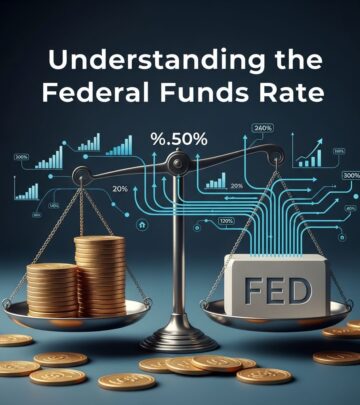
The federal funds rate serves as the benchmark interest rate at which banks lend reserves to each other overnight. Set by the Federal Open Market Committee (FOMC), this rate responds to economic indicators like inflation, unemployment, and growth. Banks use it to determine pricing for loans and deposits.
Raising this rate increases banks’ borrowing costs, which they pass on by offering higher interest on savings to attract deposits. Conversely, lowering it reduces those costs, often resulting in decreased savings yields as institutions adjust to maintain profit margins.
Rate Hikes: Boosting Savings Returns
During periods of Fed rate increases, high-yield savings accounts become particularly attractive. Financial institutions compete by elevating APYs to draw in customer funds, which they then lend out at higher rates. This environment benefits savers, especially those with substantial balances in competitive accounts.
For instance, online banks without physical branches often lead with superior rates, sometimes several percentage points above traditional banks. This disparity arises because digital institutions have lower overhead costs, allowing them to prioritize competitive yields over brick-and-mortar expenses.
Rate Cuts: Navigating Declining Yields
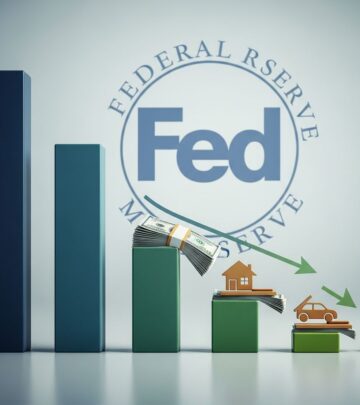
When the Fed implements cuts, as seen in recent 2025 decisions lowering the target range to 3.50%-3.75%, savings rates follow suit with gradual declines. Top high-yield accounts may dip slightly but remain elevated compared to national averages around 0.39%.
Banks adjust slowly to cuts to retain deposits, but prolonged lower rates erode returns. Savers should monitor announcements closely, as even small changes compound over time, impacting long-term growth.
Comparing Savings Products in Different Rate Environments
Different savings vehicles perform variably based on Fed actions. The table below outlines key options:
| Product | Best for Rate Hikes | Best for Rate Cuts | Key Features |
|---|---|---|---|
| High-Yield Savings | Excellent liquidity and rising APYs | Still competitive but monitor for dips | FDIC-insured, easy access |
| Money Market Account | Higher rates on larger balances | Check-writing perks | Limited transactions, often higher minimums |
| Certificate of Deposit (CD) | Lock in peaks before hikes peak | Fixed rates protect against future drops | Penalty for early withdrawal |
| Cash Management Account | Flexible with investment links | Enhanced insurance options | Multiple features, variable rates |
This comparison highlights how diversifying across products can optimize returns regardless of direction.
Strategies to Maximize Earnings Post-Rate Changes
- Shop Around Regularly: Compare APYs across online banks and credit unions, as rates can vary significantly and change frequently.
- Prioritize Inflation-Beating Yields: Select accounts where the real return (APY minus inflation) remains positive to preserve purchasing power.
- Laddering CDs: Spread maturities to capture high rates while maintaining some liquidity, ideal before anticipated cuts.
- Build Balances: Higher deposits amplify interest earnings; automate transfers to grow savings consistently.
- Consider Hybrids: Money market or cash management accounts offer added utilities like debit access during volatile periods.
Broader Economic Ripples from Fed Decisions
Beyond savings, Fed rate changes influence spending and borrowing. Higher rates curb inflation by making loans costlier, reducing consumer expenditure and economic overheating. Lower rates stimulate growth but can reignite price pressures if overdone.
For savers, this means aligning strategies with personal goals: emergency funds in liquid high-yield accounts, longer-term objectives in locked CDs during peak cycles.
Current Landscape as of 2026
With the federal funds rate stabilizing post-2025 cuts, top savings APYs hover above average yields, offering opportunities for diligent shoppers. However, vigilance is key, as further adjustments could shift dynamics.
Frequently Asked Questions
How quickly do savings rates change after a Fed announcement?
Banks often adjust within days to weeks, with competitive online options moving fastest to retain customers.
Are all savings accounts affected equally?
No; high-yield and online accounts track Fed changes more closely than traditional bank products with lower baseline rates.
Should I move money to CDs if rates are falling?
Yes, locking in current rates via CDs or CD ladders protects against declines while planning for reinvestment.
What is the national average savings rate?
Around 0.39%, far below top high-yield offerings, underscoring the value of shopping beyond your current bank.
Does the Fed directly set savings rates?
No, it influences them indirectly through the federal funds rate; banks set actual APYs based on market competition.
Building a Resilient Savings Portfolio
To thrive amid Fed fluctuations, maintain a diversified approach: core emergency funds in high-yield savings for accessibility, medium-term goals in money markets, and long-term in CDs. Regularly review rates post-FOMC meetings, and prioritize institutions with proven competitive histories. Automation ensures consistent contributions, compounding benefits over time.
Ultimately, while Fed actions shape the environment, individual choices—selecting optimal accounts and sustaining deposits—drive personal financial growth.
References
- How the Federal Reserve Impacts Savings Account Interest Rates — Bankrate. 2024-10-01. https://www.bankrate.com/banking/federal-reserve/federal-reserve-impact-on-savings-accounts/
- What the Fed Rate Announcement Means for Savings Accounts — NerdWallet. 2025-12-10. https://www.nerdwallet.com/banking/news/what-the-fed-rate-announcement-means-for-savings-accounts
- How does the Federal Reserve interest rate affect me? — Discover. 2025-01-15. https://www.discover.com/online-banking/banking-topics/how-does-the-federal-reserve-interest-rate-affect-me/
- Fed Interest Rate Changes: How Does This Impact Your Personal Finances — Macatawa Bank. 2022-09-01. https://www.macatawabank.com/articles/2022/09/fed-interest-rate-changes-how-does-this-impact-your-personal-finances.html
- What Could Fed Interest Rate Cuts Mean for Savings and CDs? — WSFS Bank. 2025-03-20. https://www.wsfsbank.com/resource/what-could-fed-interest-rate-cuts-mean-for-savings-and-cds/
Similar Articles








Read full bio of Sneha Tete