FDR and the New Deal Programs: Timeline and Effectiveness
Explore FDR's transformative New Deal programs, their timeline, and lasting impact on American recovery.
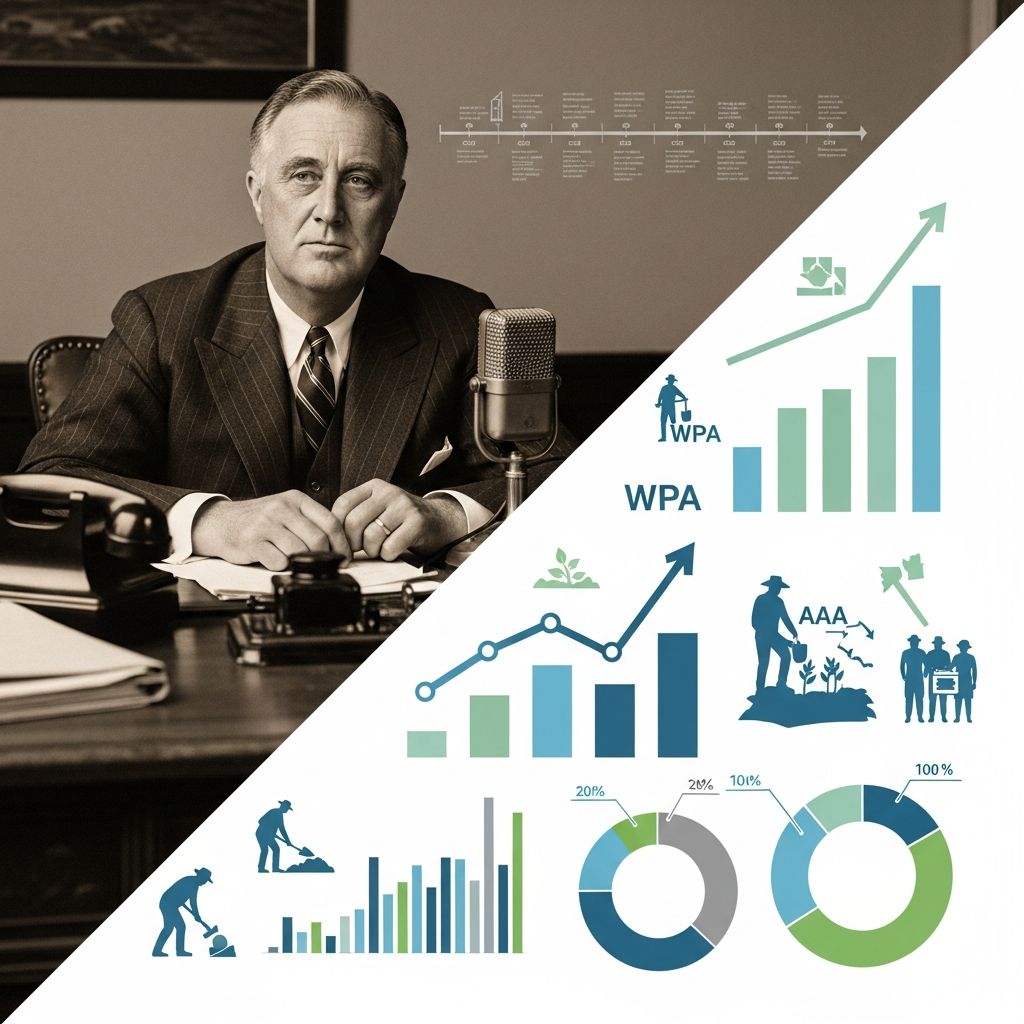
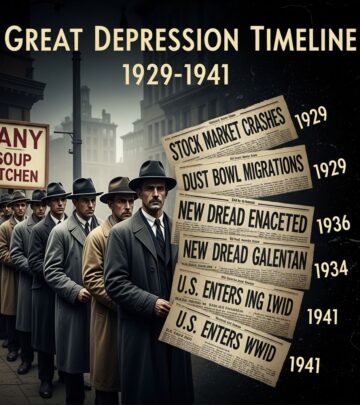
The Great Depression of 1929 created unprecedented economic hardship across the United States, with unemployment reaching catastrophic levels and the banking system on the verge of collapse. When Franklin Delano Roosevelt assumed the presidency in March 1933, he inherited a nation in crisis. Roosevelt’s response was the New Deal, a comprehensive series of programs designed to provide immediate relief, foster economic recovery, and implement reforms to prevent future depressions. This ambitious undertaking fundamentally transformed the relationship between the federal government and American citizens, establishing social safety nets and economic interventions that continue to influence policy today.
Understanding the New Deal Framework
The New Deal operated through two distinct phases, each with specific objectives and characteristics. The First New Deal, spanning from 1933 to 1935, focused on what Roosevelt called the “three Rs”: Relief for the unemployed and poor, Recovery of the economy to normal levels, and Reforms of the financial system to prevent future economic catastrophes. This initial phase emphasized immediate action and emergency measures. The Second New Deal, occurring from 1935 to 1936, took a more liberal and comprehensive approach, shifting focus toward nationwide reform with programs designed to redistribute wealth, income, and power more equitably throughout society.
The First 100 Days: Historic Action
Roosevelt’s first hundred days in office represented one of the most productive legislative periods in American history. Taking office on March 4, 1933, Roosevelt immediately declared a national emergency and convened a special session of Congress. Between March and June 1933, Congress passed 15 major bills, demonstrating unprecedented cooperation between the executive and legislative branches. This rapid-fire approach earned comparison to alphabet soup, as the proliferation of agencies and programs became known by their acronyms: CCC, AAA, TVA, FDIC, WPA, and many others.
Emergency Banking Relief Act
One of Roosevelt’s first acts was addressing the banking crisis. In his first few days as President, Roosevelt implemented the Emergency Banking Relief Act, which gave him emergency powers over United States banks. He declared a “bank holiday” that closed all banks until they could be certified for reopening under federal supervision. This dramatic action stabilized public confidence and prevented further bank runs that threatened depositor savings.
Key Programs of the First New Deal
The initial wave of New Deal legislation established several foundational programs that employed millions and reshaped American infrastructure and society:
- Civilian Conservation Corps (CCC): Enlisted young men for manual labor on government land, combining conservation work with employment. Nearly 1,500 CCC camps were established across the country within eight months, providing hundreds of thousands of Americans with work in parks and national recreational areas.
- Federal Emergency Relief Administration (FERA): Provided direct assistance to the destitute and unemployed through grants to states and localities.
- Agricultural Adjustment Administration (AAA): Provided subsidies and loans directly to American farmers struggling to sell their crops and other agricultural commodities, addressing the agricultural collapse that devastated rural America.
- Tennessee Valley Authority (TVA): Initiated a comprehensive project to provide electricity to the seven-state region along the Tennessee River, promoting economic development while addressing environmental degradation.
- Federal Deposit Insurance Corporation (FDIC): Created to insure bank deposits against loss in the event of bank failure, fundamentally changing banking stability and restoring public confidence in the financial system.
- Securities Act: Established federal regulatory authority to monitor stock trading and prevent the abuses that contributed to the 1929 crash.
- Banking Act of 1933 (Glass-Steagall Act): Separated commercial and investment banking, imposing stricter regulations on the financial sector.
The Second New Deal: Expanding the Safety Net
By 1935, Roosevelt recognized that initial relief measures were insufficient for long-term recovery. The Second New Deal introduced more ambitious social programs and stronger protections for workers and the vulnerable. This phase proved more controversial, as it fundamentally expanded federal responsibilities and challenged traditional notions of limited government.
Major Second New Deal Programs
The Second New Deal introduced transformative legislation that created permanent components of the American social system:
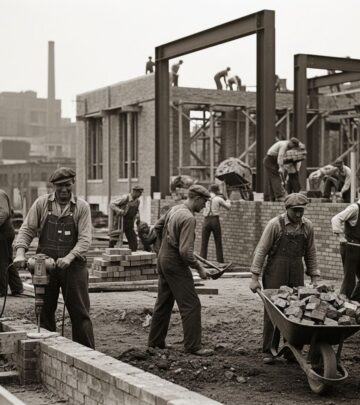
- Works Progress Administration (WPA): Supervised construction of bridges, libraries, parks, and other facilities while investing in the arts. The WPA made the federal government the largest employer in the nation, providing work relief for millions of unemployed Americans during the Great Depression.
- Social Security Act (1935-1939): Perhaps the most far-reaching programs of the entire New Deal, the Social Security measures provided old-age and widows’ benefits, pensions for senior citizens, and benefits for the disabled, mothers with dependent children, and the unemployed. This legislation created the foundation for America’s modern social safety net.
- National Labor Relations Act: Guaranteed employees the right to organize trade unions and bargain collectively, fundamentally shifting power dynamics between workers and employers.
- Fair Labor Standards Act (1938): Prohibited oppressive child labor, enshrined a 40-hour work week, and established a national minimum wage for most categories of workers.
- Farm Security Administration (FSA): Created in 1937 to aid tenant farmers and migrant workers who had been largely excluded from earlier agricultural programs.
- United States Housing Authority: Established in 1937 to address chronic housing shortages and urban decay.
Timeline of Major New Deal Legislation
| Year | Program/Act | Primary Purpose |
|---|---|---|
| 1933 (March) | Emergency Banking Relief Act | Stabilize banking system |
| 1933 (Spring) | Civilian Conservation Corps (CCC) | Youth employment and conservation |
| 1933 (Spring) | Agricultural Adjustment Administration (AAA) | Farm price support and relief |
| 1933 (Spring) | Tennessee Valley Authority (TVA) | Regional development and electricity |
| 1933 (Spring) | Federal Deposit Insurance Corporation (FDIC) | Bank deposit protection |
| 1933 (Spring) | Securities Act | Stock market regulation |
| 1935 | Works Progress Administration (WPA) | Large-scale public works employment |
| 1935-1939 | Social Security Act | Social insurance and welfare benefits |
| 1935 | National Labor Relations Act | Worker organizing rights |
| 1937 | Farm Security Administration (FSA) | Rural tenant and migrant aid |
| 1937 | United States Housing Authority | Public housing development |
| 1938 | Fair Labor Standards Act | Child labor prohibition and wage/hour standards |
Did the New Deal Work? Assessing Effectiveness
Historians and economists continue to debate the New Deal’s ultimate effectiveness, recognizing both its substantial achievements and limitations.
Successes and Positive Impacts
In the short term, New Deal programs demonstrably improved the lives of millions suffering from Depression hardship. Unemployment figures declined from approximately 25 percent when Roosevelt took office to single digits by 1937, though not to pre-Depression levels. The CCC employed over 3 million young men throughout its existence, providing not just income but also conservation work that beautified America’s landscape. The WPA employed approximately 8 million people throughout its operation, constructing thousands of public facilities including roads, bridges, libraries, and schools.
The banking reforms, particularly the FDIC, prevented the banking collapses that had previously destroyed savings and confidence. Social Security established a safety net that continues to protect elderly and vulnerable Americans today. Labor protections gave workers unprecedented bargaining power and protections. Agricultural programs stabilized farm prices and prevented rural collapse.
Limitations and Criticisms
Critics argue that while the New Deal provided relief and prevented complete economic collapse, it did not fully restore prosperity. The economy remained sluggish through the late 1930s, with unemployment persisting at troubling levels. Some argue that the focus on relief and recovery diverted resources from structural economic reforms needed for robust growth. Business leaders often criticized New Deal regulations as excessive, arguing they inhibited private investment and entrepreneurship.
Additionally, many New Deal programs reflected the racial prejudices of the era, with African Americans often receiving fewer benefits and experiencing discrimination in program administration. Native Americans had complex and often problematic interactions with New Deal policies. Some programs, particularly the AAA, initially harmed sharecroppers and tenant farmers despite later attempts at reform through the FSA.
The War Economy and Recovery
By 1939, the New Deal had run its course as a primary policy focus. It was ultimately World War II military production and mobilization that provided the massive stimulus needed to achieve full employment and complete economic recovery. However, this does not diminish the New Deal’s significance, as it prevented economic collapse, established crucial institutions and protections, and demonstrated the federal government’s capacity to address national emergencies through coordinated action.
Long-Term Legacy and Enduring Impact
The New Deal established several elements that remain central to American governance and society. The Social Security Administration continues to provide retirement and disability benefits to millions. The FDIC continues to insure deposits and regulate banks. Federal labor standards regarding minimum wage, maximum hours, and child labor protection reflect New Deal principles. The concept that the federal government has responsibility for addressing economic crises and protecting vulnerable populations became normalized through the New Deal, influencing policy responses to subsequent economic challenges.
The New Deal also fundamentally changed the scope of presidential power, establishing that during national emergencies, the president could exercise broad executive authority with congressional support. This precedent influenced responses to subsequent crises, from subsequent recessions to the 2008 financial crisis to the COVID-19 pandemic.
Frequently Asked Questions
Q: What was the primary goal of Roosevelt’s New Deal?
A: The New Deal aimed to address the Great Depression through the “three Rs”: Relief for the suffering, Recovery of the economy to normal levels, and Reforms to prevent future depressions. It combined immediate emergency assistance with longer-term structural reforms.
Q: How many people did New Deal programs employ?
A: The CCC employed over 3 million young men throughout its existence, while the WPA employed approximately 8 million people during its operation. Combined with other employment programs, the New Deal provided work for millions of unemployed Americans.
Q: Did the New Deal end the Great Depression?
A: While the New Deal significantly improved conditions and prevented economic collapse, it did not fully end the Depression. Full recovery required the massive economic stimulus of World War II military production and mobilization.
Q: What was the Social Security Act and why was it important?
A: The Social Security Act of 1935-1939 established a social insurance system providing pensions for senior citizens and benefits for the disabled, mothers with dependent children, and the unemployed. It remains one of the most important pieces of American legislation, creating the foundation of the modern social safety net.
Q: How did the FDIC change banking in America?
A: The Federal Deposit Insurance Corporation guaranteed that bank deposits would be protected against loss if banks failed. This eliminated the bank runs and panic that had characterized earlier financial crises and fundamentally increased financial system stability and public confidence.
Q: What was the Works Progress Administration?
A: The WPA was the largest New Deal employment program, supervising construction of public facilities like bridges, libraries, parks, and schools while also supporting artists and writers. It made the federal government the largest employer in the nation during its operation.
Q: Did all Americans benefit equally from New Deal programs?
A: No. New Deal programs reflected the racial and social prejudices of the era, with African Americans, Native Americans, and other minorities often receiving fewer benefits or experiencing discrimination in program administration.
References
- A New Deal to Rebuild a Nation – Lesson 1 – Timeline — National Park Service. Accessed November 2025. https://www.nps.gov/features/shen/2019/ccc/lesson-1/timeline
- New Deal | Timeline — Britannica. Accessed November 2025. https://www.britannica.com/summary/New-Deal-Timeline
- President Franklin Delano Roosevelt and the New Deal — Library of Congress. Accessed November 2025. https://www.loc.gov/classroom-materials/united-states-history-primary-source-timeline/great-depression-and-world-war-ii-1929-1945/franklin-delano-roosevelt-and-the-new-deal/
- New Deal — Encyclopædia Britannica Online. Accessed November 2025. https://en.wikipedia.org/wiki/New_Deal
- Chapter 3: The Department in the New Deal and World War II 1933 — U.S. Department of Labor Official History. Accessed November 2025. https://www.dol.gov/general/aboutdol/history/dolchp03
- The New Deal (1933-1936) to World War II (1939-1945) — U.S. Department of Treasury. Accessed November 2025. https://www.treasurydirect.gov/kids/history/history_ww2.htm
Similar Articles








Read full bio of Sneha Tete