Fast-Moving Consumer Goods (FMCG): Definition and Examples
Understand FMCG products, their characteristics, market dynamics, and role in retail.
What Are Fast-Moving Consumer Goods (FMCG)?
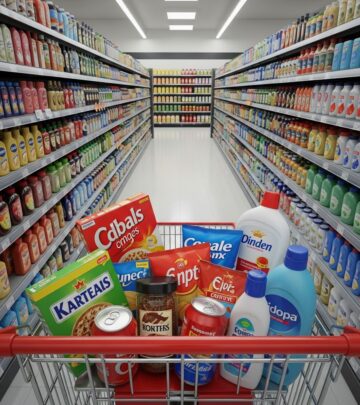
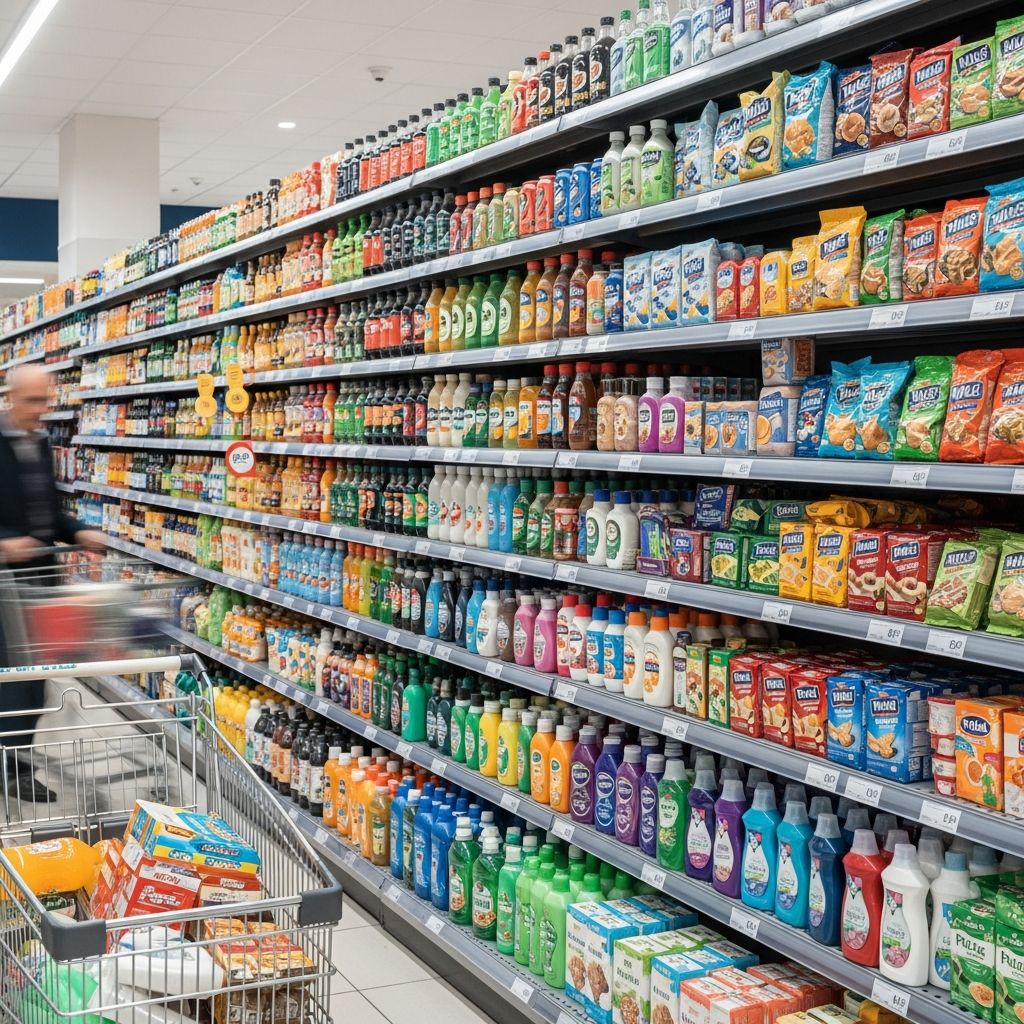
Fast-moving consumer goods, commonly abbreviated as FMCG, are products that are sold quickly and at relatively low costs to consumers. These are non-durable goods designed for frequent purchase and rapid consumption, making them a staple in household shopping routines. FMCG products represent a significant portion of retail commerce globally, driven by their essential nature, affordability, and the consistent demand they generate. Unlike specialty items or durable goods that consumers purchase infrequently, FMCG products are replenished regularly, often on a weekly or even daily basis.
The term FMCG encompasses a wide variety of everyday items that consumers depend on for their daily living needs. These products are characterized by their ability to move quickly through the supply chain from manufacturer to retailer to consumer, generating high inventory turnover rates. Because these goods are consumed rapidly and must be replaced frequently, manufacturers and retailers focus heavily on efficiency, logistics, and distribution to meet constant demand.
Key Characteristics of Fast-Moving Consumer Goods
FMCG products possess several distinctive characteristics that set them apart from other consumer goods categories. Understanding these characteristics helps businesses and consumers recognize why certain products fall into this category and how they function within the retail ecosystem.
Low Cost and High Volume
One of the most fundamental characteristics of FMCG products is their affordability. These items are priced to be accessible to a broad consumer base, typically ranging from just a few dollars to moderate prices. The business model behind FMCG relies on selling enormous quantities of these low-priced items rather than generating substantial profit margins on individual units. This high-volume strategy allows manufacturers to achieve significant overall revenues despite thin profit margins on each product sold. The economies of scale in manufacturing and distribution make it economically viable to offer these products at low prices while maintaining profitability.
Quick Consumption and Short Shelf Life
FMCG products are designed for immediate or near-immediate use and consumption. Most are consumed within days or weeks of purchase, requiring consumers to repurchase them regularly. Many FMCG items, particularly food and beverage products, have short shelf lives that necessitate rapid inventory turnover. This characteristic creates both opportunities and challenges for retailers and manufacturers. While the consistent demand ensures steady sales, the short shelf life means inventory must be managed carefully to prevent waste and spoilage. Retailers must maintain sophisticated inventory management systems to ensure products reach consumers before expiration while avoiding overstock situations.
Widespread Distribution Networks
FMCG brands depend on extensive distribution networks to ensure their products are readily available to consumers. This widespread availability is crucial for success in the FMCG sector, as consumers expect to find these products at multiple retail locations. Distribution networks include hypermarkets, big box stores, convenience stores, warehouse clubs, and increasingly, online retail platforms. The breadth of distribution determines market penetration and sales volume, making logistics and supply chain management critical components of FMCG business operations.
High Brand Competition and Consumer Choice
The FMCG market is intensely competitive, with numerous brands vying for consumer attention and loyalty. Because purchase decisions for these items typically require minimal deliberation, brand recognition and shelf visibility play significant roles in influencing consumer choices. While brand loyalty exists in the FMCG sector, switching between brands is common due to price promotions, availability, or perceived value. Consumers may try alternative brands without significant risk, given the low cost of individual purchases.
Non-Durable Nature and High Turnover
Unlike durable goods that provide long-term utility, FMCG products are consumed and depleted, requiring constant replenishment. This non-durable characteristic drives the need for high inventory turnover rates and rapid restocking cycles. Companies operating in the FMCG space must produce, distribute, and restock goods at a pace that matches consumption rates, making operational efficiency paramount.
Common Examples of FMCG Products
FMCG encompasses a broad range of product categories that consumers encounter regularly in their shopping and daily lives. The following represent the primary categories of fast-moving consumer goods.
Food and Beverages
This category includes soft drinks, bottled water, juices, energy drinks, packaged meals, frozen foods, cereals, bread, dairy products, snacks, candies, and condiments. These products form the largest segment of the FMCG market, driven by universal consumption needs and the necessity of regular replenishment.
Personal Care and Toiletries
Items in this category include toothpaste, deodorant, shampoo, conditioner, body wash, soap, cosmetics, hair care products, skincare items, and personal hygiene products. These products are used regularly by consumers and require frequent replacement based on consumption rates.
Household Cleaning Products
Cleaning supplies such as laundry detergent, dish soap, surface cleaners, glass cleaners, antibacterial wipes, paper towels, and toilet paper are essential FMCG items. Consumers purchase these products regularly to maintain household cleanliness and sanitation.
Over-the-Counter Medications and Health Products
Non-prescription drugs including pain relievers, cough syrups, cold medicines, throat lozenges, vitamins, and other health supplements constitute an important FMCG category. These products address common health concerns and are frequently repurchased when symptoms arise or supplies are depleted.
Other FMCG Categories
Additional FMCG items include office supplies, certain consumer electronics like headphones and memory cards, basic clothing items such as socks and underwear, and crafting supplies. These categories demonstrate the broad nature of the FMCG definition based on purchase frequency and consumption rate rather than product type alone.
FMCG Versus Consumer Packaged Goods (CPG): Understanding the Difference
While the terms FMCG and CPG are often used interchangeably, they have distinct meanings within the consumer goods industry. Understanding the difference is important for businesses, investors, and professionals working in retail and consumer goods sectors.
Definitional Distinctions
Consumer Packaged Goods (CPG) represents a broader category that encompasses all packaged consumer products, both durable and non-durable. This includes items with varying shelf lives and turnover rates. FMCG, by contrast, refers specifically to products that move quickly through the supply chain due to rapid consumption and frequent purchase patterns. The relationship between these terms can be understood as: all FMCGs are CPGs, but not all CPGs are FMCGs.
Key Differences in Characteristics
| Characteristic | FMCG | CPG |
|---|---|---|
| Turnover Rate | High and rapid | Variable, can be slower |
| Shelf Life | Generally short | Can be longer |
| Purchase Frequency | Very frequent (weekly or more) | Frequent to occasional |
| Product Examples | Fresh food, toiletries, cleaning products | Includes specialty items, durable packaged goods |
| Profit Margin Strategy | Low margins, high volume | Varied margins depending on product type |
| Inventory Holding Costs | High due to rapid turnover requirements | Can be moderate to high |
The distinction matters for retail strategy, supply chain management, and business operations. FMCG products require more intensive logistics and inventory management due to their rapid turnover, while CPG encompasses a wider range of product lifecycles and inventory strategies.
The FMCG Market and Industry Dynamics
Market Size and Economic Significance
The FMCG industry represents one of the largest sectors in global commerce, encompassing hundreds of billions of dollars in annual sales. This sector plays a crucial role in contributing to national economies by generating significant employment, revenue, and tax income. The universality of FMCG products means that virtually every consumer participates in this market regularly, making it a fundamental component of economic activity.
Supply Chain Efficiency and Logistics
The FMCG industry operates on principles of speed and efficiency. Products flow rapidly from raw material suppliers through manufacturers to distributors and retailers, ultimately reaching consumers. Companies invest heavily in supply chain optimization through demand forecasting, just-in-time inventory systems, and advanced information technology infrastructure. Any disruption in this chain, whether from raw material shortages, logistics delays, or supply disruptions, can significantly impact product availability and sales performance.
Competition and Market Entry Challenges
The FMCG market is highly competitive, with numerous established players and potential new entrants vying for market share. Brand loyalty, though present in this sector, can be overcome through effective marketing, competitive pricing, and product innovation. However, the established distribution networks and consumer brand recognition of major FMCG companies create barriers to entry for new competitors. Successful market entry typically requires significant capital investment in manufacturing, distribution, and marketing infrastructure.
Innovation and Differentiation
Despite the commodity-like nature of many FMCG products, companies differentiate themselves through innovation, quality consistency, sustainability initiatives, and health-conscious product development. The industry responds to evolving consumer preferences regarding organic products, health benefits, environmental sustainability, and convenience factors.
Manufacturing and Distribution in the FMCG Sector
Manufacturing Operations
FMCG manufacturers transform raw materials into finished goods at massive scales. This includes processing activities such as milling grain into cereals, blending ingredients for snacks, bottling beverages, formulating personal care products, and packaging household chemicals or medications. The manufacturing process emphasizes efficiency, consistency, and cost control to maintain the low-price point essential to FMCG competitiveness.
Distribution and Retail Strategy
The distribution of FMCG products involves multiple layers of intermediaries including wholesalers, distributors, and retailers. Large retail formats such as hypermarkets and warehouse clubs have become dominant channels for FMCG distribution due to their ability to handle high volumes and offer competitive prices. Convenience stores continue to play an important role by providing accessible locations for smaller quantity purchases. E-commerce has emerged as an increasingly significant distribution channel for FMCG products, particularly for bulk purchases and home delivery.
Consumer Behavior and FMCG Purchasing Patterns
Low-Involvement Purchase Decisions
Consumers typically make FMCG purchase decisions with minimal deliberation or research. These are habitual purchases driven by necessity, convenience, and established preferences. The low prices of individual items reduce the perceived risk of trying new brands or making suboptimal choices, contributing to relatively low consumer involvement in the decision-making process.
Brand Loyalty and Switching Behavior
While consumers develop brand preferences for FMCG products based on quality, consistency, and availability, brand switching remains common. Price promotions, temporary unavailability of preferred brands, and curiosity about alternatives can prompt consumers to try competing products. The low cost of switching makes experimentation feasible for consumers without significant financial consequences.
Price Sensitivity and Promotion Effectiveness
FMCG consumers demonstrate considerable price sensitivity due to the essential nature of these products and their regular purchase frequency. Price promotions, discounts, and loyalty programs significantly influence purchasing behavior. Retailers use FMCG products as traffic drivers, often promoting high-volume items at competitive prices to attract consumers who purchase additional products at regular prices.
Frequently Asked Questions About FMCG
Q: What does FMCG stand for?
A: FMCG stands for Fast-Moving Consumer Goods. These are products sold quickly at relatively low costs that consumers purchase frequently and consume rapidly.
Q: How does FMCG differ from regular consumer goods?
A: FMCG products are specifically characterized by their rapid turnover and frequent purchase patterns. Regular consumer goods may include durable items purchased infrequently, whereas FMCG focuses on non-durable, frequently repurchased items.
Q: Why is supply chain efficiency crucial in the FMCG industry?
A: Supply chain efficiency is crucial because FMCG products have short shelf lives and high turnover rates. Efficient logistics ensure products reach consumers before expiration while minimizing waste and maintaining product availability.
Q: Can new companies successfully enter the FMCG market?
A: Yes, new companies can enter the FMCG market, but they face significant challenges including established competitor distribution networks, brand recognition, and the capital investment required for manufacturing and logistics infrastructure.
Q: What are the main revenue drivers in the FMCG industry?
A: The primary revenue drivers are high sales volumes at low profit margins per unit. FMCG companies generate substantial revenues through enormous quantities sold rather than high prices or premium margins.
Q: How does e-commerce impact traditional FMCG distribution?
A: E-commerce has expanded FMCG distribution channels, allowing consumers to purchase bulk quantities for home delivery. While traditional retail remains dominant, online channels continue growing and providing alternative purchasing options.
References
- Fast Moving Consumer Goods (FMCG) – Specright — Specright. 2025. https://www.specright.com/blog/fast-moving-consumer-goods-fmcg/
- Fast-moving consumer goods – Wikipedia — Wikipedia. 2025. https://en.wikipedia.org/wiki/Fast-moving-consumer_goods
- Fast moving consumer goods (FMCG) explained – Epirus Ventures — Epirus Ventures. 2025. https://www.epirus.vc/glossary/terms/fast-moving-consumer-goods-fmcg
- Fast-Moving Consumer Goods (FMCG): Definition and Examples — Indeed. 2025. https://www.indeed.com/career-advice/career-development/fast-consumer-goods
- How the Fast-Moving Consumer Goods Industry Works — Umbrex. 2025. https://umbrex.com/resources/how-industries-work/how-the-fast-moving-consumer-goods-industry-works/
- What is the difference between FMCG and CPG? – NIQ — NIQ. 2022. https://nielseniq.com/global/en/insights/analysis/2022/what-is-the-difference-between-fmcg-and-cpg/
Similar Articles








Read full bio of Sneha Tete