Fast Market: Definition, Characteristics, and Trading
Understanding fast markets: rapid price movements and volatile trading conditions.
Understanding Fast Markets
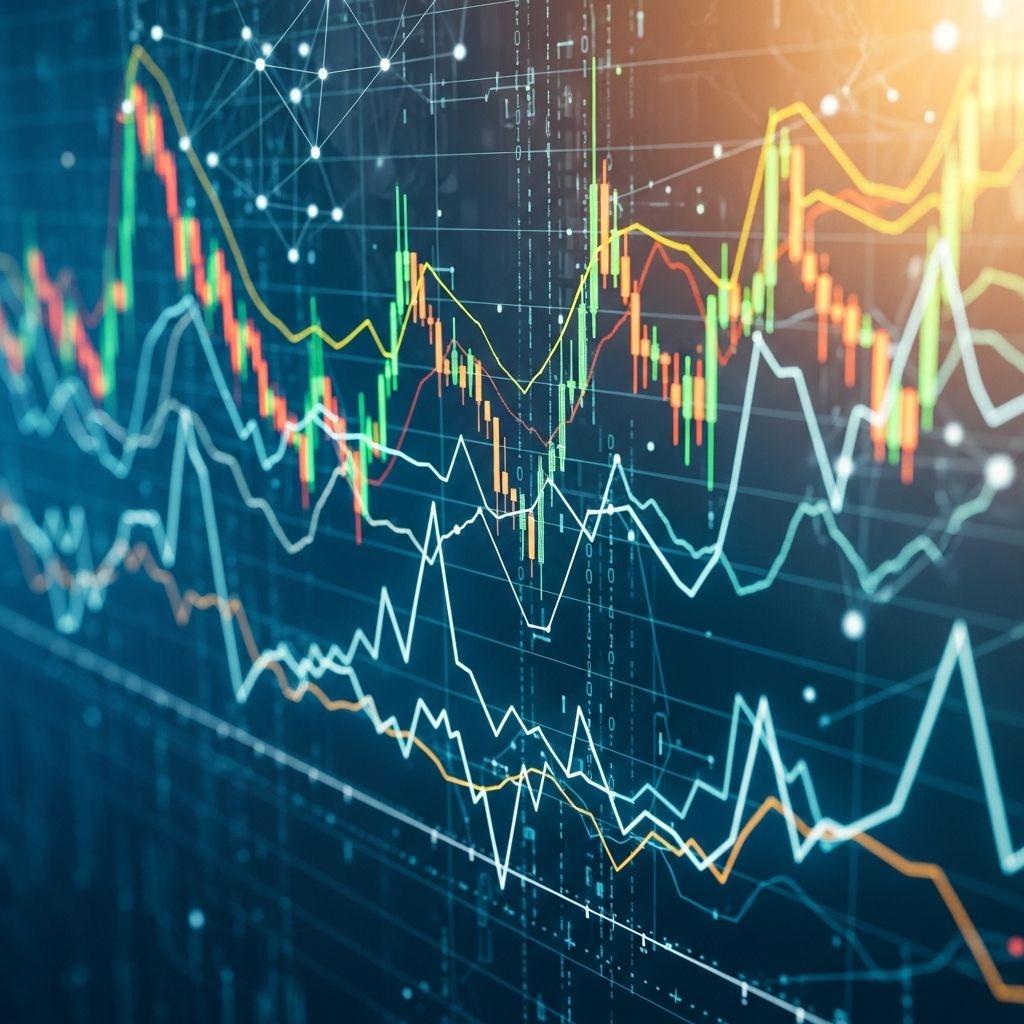
A fast market is a trading environment characterized by rapid and significant price movements, often accompanied by high trading volume and increased volatility. In these conditions, prices change quickly, sometimes within seconds or milliseconds, making it challenging for traders to execute orders at predictable prices. Fast markets typically occur during periods of economic uncertainty, major news announcements, market openings or closings, or when significant events impact investor sentiment globally.
During a fast market, the gap between the bid and ask prices, known as the spread, may widen considerably. This means that the price at which buyers are willing to purchase and the price at which sellers are willing to sell can be substantially different. Traders must understand this dynamic to make informed decisions about when to enter or exit positions.
Key Characteristics of Fast Markets
Fast markets exhibit several defining features that distinguish them from normal trading conditions:
- Rapid Price Fluctuations: Prices move quickly and substantially within short time frames, creating opportunities but also increased risks.
- Widened Bid-Ask Spreads: The difference between buy and sell prices increases, making execution more expensive for traders.
- High Volume: Trading activity surges as investors rush to buy or sell, reflecting heightened market interest and uncertainty.
- Increased Volatility: Standard deviation of price changes rises significantly, creating unpredictable market behavior.
- Order Execution Challenges: Orders may not fill at expected prices, leading to slippage where executed prices differ from quoted prices.
- Liquidity Concerns: Although volume is high, liquidity can become problematic during extreme fast market conditions.
Causes of Fast Markets
Several factors can trigger fast market conditions. Understanding these catalysts helps traders anticipate and prepare for volatile trading environments:
Economic Data Releases
Major economic announcements such as employment reports, inflation data, interest rate decisions, or GDP figures can cause immediate market reactions. When actual data differs significantly from expectations, traders rapidly adjust positions, driving prices higher or lower.
Geopolitical Events
Political instability, international conflicts, trade disputes, or policy changes can create uncertainty and trigger fast market conditions. Investors reassess risk exposure and reposition portfolios accordingly.
Company-Specific News
Earnings surprises, mergers and acquisitions announcements, executive changes, or regulatory actions affecting individual companies can cause rapid price movements in those securities and related markets.
Market Opens and Closes
The opening minutes of trading sessions often experience heightened volatility as overnight news is absorbed and traders establish positions. Market closings can also see fast market conditions as traders settle positions before markets shut down.
Algorithmic Trading and Program Trading
Computerized trading systems execute thousands of trades per second based on predetermined algorithms. When market conditions trigger these systems simultaneously, it can amplify price movements and create fast market conditions.
How Fast Markets Affect Traders
Fast markets present both opportunities and challenges for different types of market participants. Day traders and short-term investors may find fast markets attractive due to the potential for quick profits from rapid price movements. However, the increased risk and execution difficulties require careful strategy and discipline.
Long-term investors typically prefer to avoid trading during fast markets when possible, as they may face unfavorable execution prices. For institutional investors managing large portfolios, fast markets can complicate execution of block trades and increase trading costs.
Retail investors should exercise particular caution during fast market conditions. The combination of rapid price changes and emotional decision-making can lead to poor trading outcomes. Market orders during fast markets may execute at significantly different prices than expected, a phenomenon known as slippage.
Trading During Fast Markets: Key Strategies
Successful trading during fast markets requires specific approaches and risk management techniques:
Use Limit Orders
Rather than market orders that execute at any available price, limit orders allow traders to specify the maximum price they’ll pay when buying or the minimum price acceptable when selling. This protects against extreme slippage during fast market conditions.
Reduce Position Sizes
Taking smaller positions during fast markets limits potential losses if trades move against expectations. This conservative approach acknowledges the increased uncertainty and risk.
Monitor Market Data
Real-time access to market data, including price quotes, volume information, and bid-ask spreads, is essential during fast markets. Low-latency data feeds help traders make quicker, more informed decisions.
Set Stop-Loss Orders
Predetermined stop-loss levels help manage risk by automatically limiting losses if prices move significantly in an unfavorable direction.
Avoid Emotional Decisions
Fast markets can trigger emotional trading responses. Sticking to predetermined trading plans and strategies helps avoid costly mistakes driven by fear or greed.
Market Data and Fast Markets
The delivery of market data becomes critical during fast market conditions. Traders and investment firms rely on specialized systems and technologies to receive price information as quickly as possible. These systems, sometimes called ticker plants, are designed to handle massive data streams and distribute information to traders and automated trading systems with minimal delay.
Latency—the time lag in delivering real-time data—becomes increasingly important during fast markets. Lower latency means faster data transmission, allowing traders to make quicker decisions. The speed of market data delivery has dramatically increased since 2010, with modern systems delivering data under 1 millisecond.
High-frequency trading firms specifically compete for advantages in data delivery speed, as even microsecond advantages can be profitable in fast market conditions.
Regulatory Considerations
During fast market conditions, regulatory bodies may implement certain measures to protect market integrity and investor interests. These might include temporary trading halts for specific securities or market-wide circuit breakers that pause trading when prices move too rapidly. Understanding these regulatory protections helps traders navigate fast markets more effectively.
Compliance requirements and best execution obligations remain in effect during fast markets, meaning brokers must still execute customer orders at the best available prices despite challenging conditions.
Fast Markets Versus Normal Market Conditions
| Characteristic | Fast Market | Normal Market |
|---|---|---|
| Price Movement | Rapid, significant changes within seconds | Gradual changes over hours or days |
| Bid-Ask Spread | Widened significantly | Tighter, more predictable |
| Trading Volume | Exceptionally high | Normal to moderate levels |
| Volatility | Very high | Lower and more stable |
| Order Execution | Uncertain pricing, potential slippage | Predictable execution near quoted prices |
| Liquidity | May be questionable despite high volume | Generally adequate and reliable |
Preparing for Fast Markets
Traders and investors should prepare for fast market conditions before they occur. This preparation includes establishing clear trading rules, setting acceptable risk tolerance levels, and ensuring access to reliable market data and trading platforms. Having predetermined entry and exit strategies removes the need for emotional decision-making when markets move rapidly.
Understanding your broker’s policies during fast markets is also important. Some brokers may adjust their services or implement additional restrictions during extreme market volatility to protect themselves and their clients.
Frequently Asked Questions (FAQs)
Q: What exactly is a fast market?
A: A fast market is a trading environment characterized by rapid price movements, high volume, widened bid-ask spreads, and increased volatility. Prices change quickly, often within seconds, making it difficult to execute orders at predictable prices.
Q: What causes fast markets?
A: Fast markets can be triggered by major economic data releases, geopolitical events, significant company news, market openings and closings, or algorithmic trading systems reacting simultaneously to market conditions.
Q: How do I protect myself when trading during a fast market?
A: Use limit orders instead of market orders, reduce position sizes, monitor real-time market data, set stop-loss orders, and avoid making emotional trading decisions. These strategies help mitigate risks during volatile conditions.
Q: Why is market data speed important during fast markets?
A: During fast markets, having access to real-time price information with minimal delay (low latency) is crucial for making timely trading decisions. Even microsecond advantages in data delivery can affect trading outcomes.
Q: Should long-term investors trade during fast markets?
A: Long-term investors typically should avoid trading during fast markets when possible. The widened spreads, slippage, and execution uncertainties can increase costs and result in unfavorable pricing for large orders.
Q: What is slippage?
A: Slippage occurs when the price at which a trade executes differs from the price the trader expected. During fast markets, slippage is more likely and can be substantial due to rapid price movements.
References
- Market data — Wikipedia. Accessed November 2025. https://en.wikipedia.org/wiki/Market_data
- Market Order vs. Limit Order: What’s the Difference? — Investopedia. September 11, 2025. https://www.investopedia.com
Similar Articles








Read full bio of Sneha Tete