Fast Food Restaurants Extend $5 Meal Deals
Major chains extend affordable $5 meal deals through the holidays as consumers battle inflation.
Fast Food Restaurants Are Extending Their $5 Meal Deals to Draw Customers
The $5 value meal has become the defining fast food trend, with major chains competing fiercely to offer affordable options to budget-conscious consumers. McDonald’s, Burger King, Wendy’s, Jack in the Box, KFC, and Taco Bell have all launched or extended value meal promotions as they battle disappointing store traffic and changing consumer spending habits. These deals represent a significant shift in the fast food industry’s response to years of persistent inflation and rising menu prices that have frustrated American diners.
The fast food landscape has fundamentally changed as chains recognize that affordability is now a critical factor in consumer decision-making. Restaurant pricing has become increasingly difficult for average Americans, with the cost of eating at restaurants, including fast food, increasing 4% in the past year alone and rising more than 25% since August 2020 according to government inflation data. This dramatic price escalation has forced many consumers to make difficult choices about where they spend their dining dollars, and major chains are now responding with aggressive value propositions.
The Evolution of Fast Food Value Deals
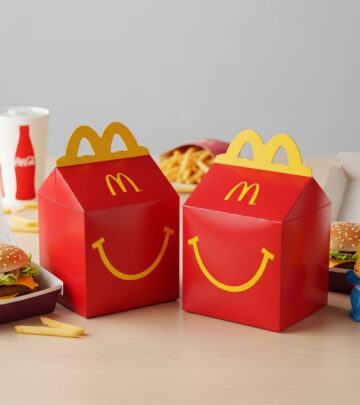
McDonald’s initiated the current wave of value meal offerings in May when the company announced a four-item combo meal featuring a sandwich, nuggets, fries, and a drink. At the time, McDonald’s executives emphasized that consumers were “making tough calls” about their spending after years of high inflation, and the brand needed to remain “laser-focused on value and affordability.” The strategy proved remarkably successful, with tens of millions of customers ordering the deal during its initial run. Recognizing the popularity and market demand, McDonald’s extended the promotion through December, demonstrating a long-term commitment to value pricing.
The success of McDonald’s initial offering created a competitive domino effect throughout the fast food industry. Facing similar consumer trends and pressure to compete with McDonald’s market dominance, major brands including Wendy’s, Burger King, Jack in the Box, KFC, and Taco Bell quickly launched their own $5 or comparable value deals. This proliferation of affordable options has created unprecedented competition based on value rather than premium pricing, reshaping industry dynamics and consumer expectations.
Understanding the Consumer Pain Point
The fast food industry’s shift toward value deals directly reflects the economic pressures facing American consumers, particularly those with lower incomes who traditionally form the backbone of fast food restaurant patronage. Many diners have simply stopped eating out as frequently due to escalating menu prices, creating a tough business environment for chains that depend heavily on this customer demographic. The inflation-driven price increases have eroded the traditional value proposition of fast food, which historically served as an affordable alternative to full-service restaurants.
Industry analysts note that this represents a critical inflection point for fast food chains. Higher prices have attracted fewer customers through restaurant doors, leading to declining sales figures even as chains implement premium menu items. The strategy now involves regaining customer loyalty by demonstrating genuine commitment to affordability through extended value meal programs that run through the holiday season and beyond.
Six Major Fast Food Value Deals Available Now
To help consumers navigate the current fast food landscape, here are six of the major deals available from leading chains:
Burger King: $5 Your Way Meal
Burger King’s “$5 Your Way Meal” offers customers a choice of three different sandwiches or nuggets, including a Whopper Jr., a Bacon Cheeseburger, or a Chicken Jr., combined with fries, four-piece chicken nuggets, and a value drink. This flexibility allows customers to select their preferred protein and style, catering to diverse taste preferences while maintaining the $5 price point.
Jack in the Box: 2 for $5 Jumbo Jack
Jack in the Box positions itself as an exceptional value option with its “2 for $5 Jumbo Jack” deal, which includes two jumbo beef patty hamburgers with classic toppings. The inclusion of two substantial sandwiches for the $5 price makes this an attractive option for customers seeking maximum food volume at the lowest cost.
KFC: Taste of KFC Menu Options
Kentucky Fried Chicken offers several $5 options on its Taste of KFC menu, providing customers with choices based on their preferences. Options include eight chicken nuggets and secret recipe fries, the Famous Bowl featuring chicken nuggets with mashed potatoes and gravy, or a classic two-piece drum and thigh meal. KFC’s multiple options within the $5 price point appeal to different customer preferences and appetite levels.
McDonald’s: McChicken or McDouble $5 Meal Deal
McDonald’s offers two $5 meal deal choices: the McChicken $5 Meal Deal or the McDouble $5 Meal Deal. Both options include four nuggets, small fries, and a small Coke, providing customers with the choice between poultry and beef options while maintaining consistent accompaniments and pricing.
Taco Bell: Luxe Cravings Box
While priced slightly higher at $7, Taco Bell’s Luxe Cravings Box represents substantial value for customers seeking variety. The offering includes a Chalupa Supreme, a Beefy 5-Layer Burrito, a Double Stacked Taco, chips with nacho cheese sauce, and a medium drink. Analysis suggests this meal provides nearly $16 worth of food value, making it one of the most generous value propositions in the current fast food market.
Wendy’s: $5 Biggie Bag
Wendy’s $5 Biggie Bag includes a sandwich choice (Jr. Bacon Cheeseburger, Crispy Chicken Sandwich, or Double Stack), nuggets, fries, and either a drink or junior Frosty. Customers can upgrade to a medium Frosty for an additional $1. This meal provides substantial variety and the unique benefit of dessert inclusion, distinguishing it from competitors’ offerings.
Comparing Value Across Chains
Analysis of value meal offerings reveals significant differences in food volume and savings potential. According to financial analysis comparing meal value versus a la carte pricing, Taco Bell’s Luxe Cravings Box offers the highest absolute savings at approximately $8.65 in value over the $7 price point. Wendy’s Biggie Bag follows closely with approximately $5.75 in savings when comparing bundled pricing to individual item purchases. McDonald’s meal deals provide approximately $5 in savings for customers choosing bundled purchases over a la carte options.
The value proposition extends beyond price alone to include portion sizes, sandwich quality, and ancillary benefits. Recent consumer testing found that Wendy’s chicken offerings featured particularly thick patties with superior flavor profiles compared to competitors, while Burger King’s inclusion of the sesame-seed bun elevated the perceived quality of its offerings. These qualitative factors contribute to overall customer satisfaction beyond simple price comparison.
The Strategic Business Response to Inflation
Fast food chains’ aggressive value positioning represents a strategic response to economic headwinds facing the industry. Despite extending popular deals, chains continue reporting sales declines in certain quarters, indicating that price alone cannot reverse broader market trends. The initiatives reflect management recognition that affordability has become a primary decision factor for core customer demographics who historically patronized fast food establishments.
The competitive intensity around value meals has transformed industry dynamics. Rather than competing on premium menu innovations or upscale offerings, chains now compete directly on price and value proposition. This represents a fundamental shift from previous pricing strategies and underscores changing consumer priorities in the current economic environment.
Benefits for Price-Conscious Consumers
The proliferation of value meal deals creates genuine advantages for consumers navigating high food prices. Multiple competing options provide customers with choices rather than forcing acceptance of a single value proposition. The extension of these deals through the holiday season provides extended access to affordable dining options during a period when discretionary spending typically increases.
Consumer advocacy against inflated fast food pricing has been particularly vocal, with public criticism of chains raising menu prices faster than raw ingredient costs would justify. The current value meal environment represents a partial market response to this consumer backlash, demonstrating that public pressure can influence corporate pricing strategy. For budget-conscious consumers and families on fixed incomes, these deals provide meaningful relief from years of price escalation.
Looking Forward: Holiday Season and Beyond
The extension of value meals through December indicates that fast food chains view these programs as integral to competitive strategy for the foreseeable future. Rather than temporary promotional tactics, value meal deals appear positioned as baseline expectations for fast food restaurant competition. Chains that fail to maintain competitive value offerings risk losing customers to competitors with superior price propositions.
The sustainability of these value offerings depends on multiple factors including ingredient costs, labor expenses, and broader economic conditions. Chains must balance affordability with profitability, maintaining margins while delivering genuine value. The current environment suggests this balance will remain a critical strategic consideration for fast food operators through the remainder of 2024 and into 2025.
Frequently Asked Questions
Q: When did fast food restaurants start offering $5 meal deals?
A: McDonald’s initiated the current wave of $5 meal deals in May 2024, announcing a four-item combo meal that sparked industry-wide competition.
Q: How long will these value deals remain available?
A: McDonald’s extended its deal through December 2024, while other chains have announced extended availability, though specific end dates vary by restaurant and location.
Q: Which fast food value meal offers the best savings?
A: Taco Bell’s Luxe Cravings Box offers the highest savings at approximately $8.65 in value over its $7 price point, followed by Wendy’s Biggie Bag with approximately $5.75 in savings.
Q: Are value meals available at all restaurant locations?
A: While major chains have promoted value meals nationally, availability may vary by location and franchisee. It’s recommended to check with your local restaurant for specific offerings.
Q: Why have fast food prices increased so dramatically?
A: Restaurant prices have increased 4% in the past year and more than 25% since August 2020 due to inflation, increased labor costs, and supply chain disruptions affecting food prices.
Q: Can I combine value meal deals with other promotions?
A: Promotion combination policies vary by restaurant. Most chains restrict combining value meal deals with other active promotions, though specific rules should be verified at your local establishment.
References
- Fast Food Restaurants Extend $5 Meal Deals to Draw Customers — Money. 2024. https://money.com/fast-food-restaurants-extend-value-deals/
- Find Out Which Fast Food Meal Deal Is Really the Best Value — Entrepreneur. 2024. https://www.entrepreneur.com/franchises/find-out-which-fast-food-meal-deal-is-really-the-best-value/478133
- All the Big Grocery Stores and Fast Food Chains With Special Deals — Money. 2024. https://money.com/grocery-stores-fast-food-cutting-prices/
- I Compared $10 Meals at Fast-Food Chains to Find the Best Value — Business Insider. 2025. https://www.businessinsider.com/fast-food-chains-best-value-10-dollars-2025-8
- Fast Food Is No Longer Affordable for Low-Income Americans — The Week. 2024. https://theweek.com/business/economy/fast-food-affordable-low-income-economy
- U.S. Bureau of Labor Statistics: Consumer Price Index — U.S. Department of Labor. 2024. https://www.bls.gov/cpi/
Similar Articles








Read full bio of medha deb