Fast Fashion Facts You Really Need To Know
Discover how fast fashion affects your money, the planet, and people—and what you can do to build a more sustainable wardrobe.
Fast fashion looks like a dream: cute clothes, low prices, and new styles arriving every week. But behind those price tags are hidden costs that affect your wallet, the planet, and the people who make your clothes. This guide breaks down key fast fashion facts and shows you how to protect both your finances and your values.
What is fast fashion?
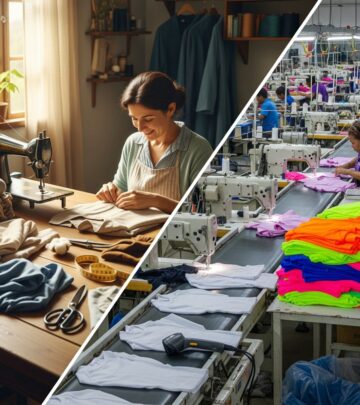
Fast fashion is a business model where brands quickly turn runway or social media trends into cheap clothing and sell them in massive volumes. The focus is on speed, low cost, and constant newness rather than quality or longevity.
These pieces are often:
- Made with low-cost synthetic fabrics like polyester
- Produced in high volumes in low-wage countries
- Designed to be worn only a few times before being replaced
According to industry research, the global fast fashion market is worth well over $140 billion and is projected to keep growing at around 10% per year in the coming years, despite rising awareness about sustainability.
Fast fashion facts you should know
Understanding the numbers behind fast fashion makes it easier to see why it matters. Here are some key facts:
- Huge market growth: The global fast fashion market is valued in the hundreds of billions of dollars and is expected to roughly double between the mid-2020s and early 2030s.
- Shorter clothing lifespans: On average, people now wear an item only 7–10 times before discarding it, a drop of more than one-third in about 15 years.
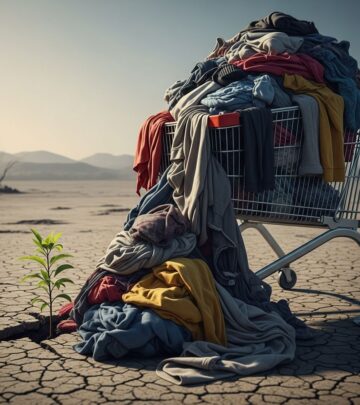
- Massive textile waste: Globally, an estimated 92 million tonnes of textile waste is generated each year, much of it linked to fast fashion overproduction and underuse.
- Heavy carbon footprint: The broader fashion industry is responsible for around 10% of global carbon emissions, rivaling the combined emissions of international aviation and shipping.
- Microplastic pollution: Synthetic clothing contributes an estimated 35% of microplastics entering the world’s oceans each year when garments shed fibers during washing.
How fast fashion harms your finances
Fast fashion is marketed as a bargain, but those “bargains” can quietly drain your bank account.
1. The low-price trap
Because the prices are low, it is easy to buy more than you planned. Many shoppers end up with overflowing wardrobes and little savings to show for it.
- Impulse buys feel harmless because each item is cheap.
- Small, frequent purchases add up to hundreds or even thousands of dollars per year.
- Sales and promo codes encourage “stocking up” on items you do not truly need.
2. Poor quality means constant replacement
Fast fashion pieces are often poorly constructed with low-grade fabrics, which can mean:
- Seams unraveling after a few washes
- Fading, pilling, or stretching out of shape
- Garments that quickly look worn or dated
Instead of lasting for years, items may last only a season, pushing you to buy again and again—an ongoing expense that undermines long-term financial goals like building an emergency fund or paying off debt.
3. Emotional spending and clutter
Fast fashion is closely tied to emotional spending: buying something new for a quick mood boost or to feel “on trend.” Over time, you may experience:
- Cluttered closets full of pieces you rarely wear
- Guilt over money spent on items that no longer feel right
- Difficulty understanding your true style because you are always chasing trends
All of this can make it harder to manage your money with intention.
Environmental impact of fast fashion
Fast fashion is cheap partly because its environmental costs are not included in the price tag. Those costs show up in resource use, pollution, and waste.
1. Water consumption and pollution
The fashion industry uses enormous amounts of water across growing fibers, dyeing, and finishing fabrics. Research suggests that fashion uses around 141 billion cubic meters of water per year, enough to meet the needs of millions of people.
On top of this, dyeing and finishing processes can release chemicals and untreated wastewater into rivers and lakes in production regions, harming ecosystems and communities.
2. Carbon emissions and energy use
The fashion industry’s emissions come from several stages:
- Producing synthetic fibers like polyester using fossil fuels
- Energy-intensive manufacturing and dyeing
- Global transportation from factories to warehouses to stores
- Landfilling or incinerating discarded textiles
Analyses from international organizations indicate that fashion is responsible for about 10% of global carbon emissions, which puts it among the most emissions-intensive consumer industries.
3. Microplastics and textile waste
Fast fashion heavily relies on synthetic fibers such as polyester, acrylic, and nylon. When these garments are washed, they shed tiny plastic fibers that pass through wastewater treatment and end up in rivers and oceans.
Current estimates suggest that synthetic textiles contribute around 35% of microplastics released into marine environments.
At the same time, overproduction and short wear cycles create huge volumes of discarded clothing. Globally, about 92 million tonnes of textile waste are generated annually, and this number is expected to keep increasing without major changes in production and consumption.
Social and ethical issues
Behind each low-cost garment is a long supply chain that often includes underpaid workers and unsafe conditions.
1. Low wages and poor working conditions
Many fast fashion brands outsource production to factories in low-income countries. Investigations and reports from labor organizations have documented issues such as:
- Wages that are below living wage standards
- Excessive overtime and unrealistic production targets
- Unsafe workplaces, including fire and building safety risks
The constant pressure to produce more, faster, and cheaper can intensify these conditions.
2. Lack of transparency and accountability
Transparency remains a major problem. According to global transparency assessments, a significant share of large fashion brands disclose little or nothing about their decarbonization strategies or progress toward emissions reduction. When companies do not publish clear data, it becomes difficult for consumers to verify their sustainability claims.
Why we keep buying fast fashion
Even with all the negative impacts, fast fashion remains popular. Several factors keep people coming back.
1. The psychology of trends and novelty
Fast fashion encourages a mindset that clothing is temporary and trends change weekly. Social media, influencers, and constant new arrivals create a sense of urgency:
- Fear of missing out on limited-time items
- Pressure to be seen in “new” outfits online
- Belief that repeating outfits is undesirable
2. Social pressure and identity
Clothes are more than fabric; they are closely tied to identity, belonging, and status. For many, especially young shoppers, fast fashion offers a way to experiment with style and feel included without high up-front costs.
3. Accessibility and convenience
Fast fashion brands are widely available through:
- Massive online platforms delivering globally
- Shopping malls and high-street locations
- Constant promotions, discounts, and free shipping
This convenience makes alternatives like saving up for higher-quality items or shopping secondhand feel less appealing in the moment, even if they are better in the long run.
Fast fashion vs. slow fashion
To build a healthier relationship with clothing, it helps to understand the difference between fast fashion and more sustainable approaches, often referred to as slow fashion.
| Aspect | Fast Fashion | Slow / Sustainable Fashion |
|---|---|---|
| Production speed | Extremely fast, new drops weekly | Deliberate, seasonal or small-batch |
| Price | Very low upfront cost | Higher upfront, better cost per wear |
| Quality & durability | Lower quality, short lifespan | Higher quality, longer lifespan |
| Environmental impact | High resource use and waste | Designed to reduce impact, use resources efficiently |
| Worker conditions | Often opaque, low-wage supply chains | More focus on transparency and fair labor (varies by brand) |
How to break up with fast fashion (without breaking your budget)
You do not need to throw away everything you own or only buy expensive items to make a difference. Small, consistent changes can improve both your finances and your impact.
1. Start with a closet audit
Before buying anything new:
- Pull out everything you own and group by category (jeans, tops, dresses, etc.).
- Identify items you love, wear often, and feel great in.
- Notice duplicates and pieces you never reach for.
This process helps you see patterns in your style and spending, and it can reduce the urge to “fill gaps” that are not really there.
2. Define your personal style and budget
Instead of chasing every trend, create a simple style vision and a realistic clothing budget.
- Choose 3–5 words that describe your ideal style (for example: “comfortable, classic, minimal, feminine”).
- Set a monthly or yearly clothing budget aligned with your income and financial goals.
- Plan purchases in advance instead of buying on impulse.
3. Shop more intentionally
When you do shop, use intentional filters:
- Ask: Will I wear this at least 30 times?
- Check labels: Favor durable fabrics like cotton, linen, wool, and high-quality blends.
- Prioritize fit and comfort: If it does not feel great in the dressing room, it will not get better later.
4. Embrace secondhand, rental, and swaps
Sustainable fashion does not always mean buying new from eco-brands. You can:
- Shop thrift and consignment stores, or reputable resale platforms.
- Organize clothing swaps with friends or community groups.
- Rent special-occasion outfits instead of buying something you will wear once.
5. Take care of what you already own
Extending the life of your clothes is one of the most powerful ways to cut your fashion footprint and save money.
- Follow care labels and wash on cooler settings to reduce damage and microplastic shedding.
- Air-dry when possible instead of using high-heat dryers.
- Learn basic mending skills or find a local tailor for repairs and alterations.
Fast fashion and your long-term goals
Every dollar you spend on clothes is a dollar that cannot go toward other priorities. Aligning your wardrobe habits with your broader financial goals can be a powerful motivator.
- If you are paying off debt, consider a low- or no-spend challenge on clothing for a set period.
- If you are building savings, track what you would have spent on impulse clothing and transfer that amount into a savings or investment account.
- If values like sustainability and fairness matter to you, treat your clothing purchases as a way of “voting” for the kind of industry you want to support.
Frequently Asked Questions (FAQs)
Q: Why is fast fashion considered harmful?
Fast fashion is harmful because it encourages overconsumption, contributes significantly to carbon emissions and water use, creates large volumes of textile waste, and is often linked to low wages and unsafe conditions for workers in supplier factories.
Q: Is it okay to still buy from fast fashion brands sometimes?
Perfection is not realistic for most people. If you currently rely on fast fashion for budget reasons, focus on buying fewer items, choosing pieces you will wear many times, and taking good care of what you own. Gradually, you can shift more of your spending toward secondhand or more sustainable options.
Q: How can I tell if a brand is truly sustainable?
Look for concrete information on a brand’s website about materials, factory locations, labor standards, and emissions targets, ideally backed by independent certifications or detailed reports. Be cautious of vague marketing terms like “green,” “eco,” or “conscious” without data or third-party verification.
Q: Is buying more expensive clothing always better?
Not necessarily. Price alone does not guarantee ethical production or sustainability. A better metric is cost per wear—how often you will realistically use an item—and whether the brand demonstrates transparency and responsible practices.
Q: What is the single most impactful change I can make?
One of the most impactful changes is simply buying fewer new clothes and wearing what you already own for longer. Extending the average life of garments by just a few months can significantly reduce overall environmental impacts, while also saving you money.
References
- Fast Fashion Market Size, Share & COVID-19 Impact Analysis — Fortune Business Insights. 2024-06-10. https://www.fortunebusinessinsights.com/fast-fashion-market-112250
- Fast Fashion Statistics 2025 — UniformMarket. 2025-01-05. https://www.uniformmarket.com/statistics/fast-fashion-statistics
- Fast fashion: what are the true costs? — Economics Observatory. 2022-03-28. https://www.economicsobservatory.com/fast-fashion-what-are-the-true-costs
- All You Need to Know About Fast Fashion — Greenly. 2023-04-12. https://greenly.earth/en-us/blog/industries/all-you-need-to-know-about-fast-fashion
- Fashion & Textile Waste Statistics & Trends — WasteManaged (Waste Direct). 2024-09-18. https://wastedirect.co.uk/blog/fashion-waste-statistics/
Similar Articles








Read full bio of Sneha Tete