Fairfield University: Excellence in Education and Student Outcomes
Discover why Fairfield University ranks among America's best colleges with exceptional student outcomes and career success.
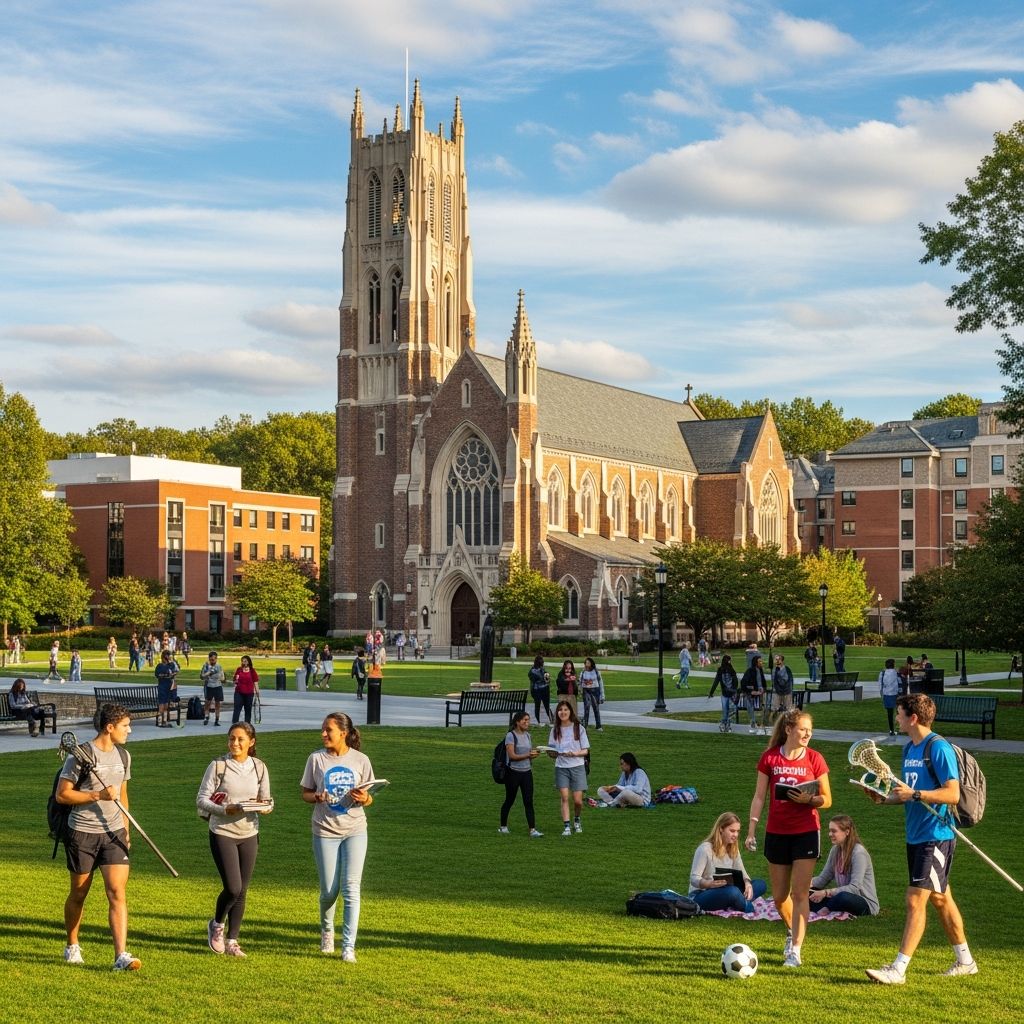
Fairfield University: A Leader in Higher Education Excellence
Fairfield University has established itself as one of America’s premier educational institutions, earning recognition as a top-tier college that combines academic rigor with exceptional student outcomes. Located in Connecticut, Fairfield University has consistently demonstrated its commitment to providing students with an outstanding educational experience that prepares them for successful careers and meaningful lives. The university’s 4.5-star rating from Money magazine’s Best Colleges in America 2024 ranking underscores its position among the nation’s most respected higher education institutions.
Academic Excellence and Student Recognition
Fairfield University stands out for its remarkable student outcomes and post-graduation achievements. The institution has earned particular praise for the concrete career planning and employment success of its graduates. According to institutional data, 98% of Fairfield graduates report having concrete plans within six months of graduation, a figure that demonstrates the university’s effectiveness in career preparation and placement services. This exceptional rate reflects the university’s comprehensive approach to preparing students not just academically, but also professionally for the challenges and opportunities that await them after graduation.
The university’s commitment to student success extends beyond graduation. Fairfield alumni command impressive median earnings of $88,974, which exceeds the earnings of graduates from comparable institutions. This financial success reflects both the quality of education provided and the strong reputation Fairfield maintains among employers across various industries. The university’s career services and alumni network play crucial roles in facilitating these successful outcomes.
Graduation Rates and Academic Achievement
Fairfield University maintains a graduation rate of 81-84%, depending on the data source consulted. This strong completion rate reflects the university’s commitment to student retention and academic support. The university provides comprehensive resources to help students succeed, including academic advising, tutoring services, and mentorship programs. The high graduation rate demonstrates that Fairfield not only attracts qualified students but also maintains an environment conducive to academic success and personal growth.
The graduation rate is a critical metric for evaluating institutional effectiveness. Fairfield’s performance in this area indicates that the university successfully supports students through their academic journey, helping them overcome challenges and complete their degrees within a reasonable timeframe. This commitment to student success contributes significantly to the university’s strong reputation and consistent rankings among America’s best colleges.
Financial Aid and Accessibility
Fairfield University demonstrates a strong commitment to making education accessible to students from diverse economic backgrounds. The university provides extensive financial support, with 95% of all students receiving some form of financial aid. This comprehensive approach to financial assistance ensures that qualified students can afford a Fairfield education regardless of their family’s financial situation.
The average annual cost of attendance at Fairfield University ranges from $45,701 to $47,630, depending on the data source and calculation methodology. When financial aid is considered, the net cost becomes significantly more affordable for many students. The university’s generous financial aid policies reflect its commitment to socioeconomic diversity and its belief that all qualified students should have access to excellent education.
Student Population and Campus Community
Fairfield University serves a student population of approximately 4,760 undergraduate students. This size provides an ideal balance between the resources and research opportunities of a larger university and the personalized attention characteristic of smaller colleges. The student body comprises individuals from diverse geographic and socioeconomic backgrounds, creating a vibrant campus community enriched by different perspectives and experiences.
The university’s moderate size allows for meaningful interactions between students and faculty, fostering intellectual growth and personal development. Students benefit from access to research opportunities, internship programs, and extracurricular activities that enhance their educational experience. The residential campus environment encourages community building and the development of lasting friendships and professional networks.
Recognition and Institutional Distinctions
Fairfield University’s 4.5-star rating from Money magazine places it among the top-tier institutions in the nation’s higher education landscape. This recognition is based on comprehensive analysis of 26 data points, including graduation rates, net prices, financial aid offerings, and student outcomes. The methodology employed by Money magazine ensures that ratings reflect multiple dimensions of institutional quality and effectiveness.
To achieve and maintain such recognition, Fairfield University must demonstrate consistent excellence across numerous metrics. The university’s sustained performance indicates that it effectively balances academic rigor with student support, affordability with quality, and tradition with innovation. These distinctions make Fairfield an attractive choice for students seeking a well-rounded educational experience.
Career Outcomes and Alumni Success
The career success of Fairfield alumni extends across numerous industries and sectors. The university’s strong connections with employers, comprehensive career services, and rigorous academic preparation contribute to the favorable employment outcomes graduates experience. Many Fairfield graduates pursue careers in business, healthcare, education, engineering, and the professions, where they apply the knowledge and skills developed during their university education.
The university maintains active alumni networks that continue to support career development and professional growth long after graduation. These networks facilitate mentorship, provide employment opportunities, and foster ongoing professional development. The strength of these connections reflects the loyalty and engagement of Fairfield’s alumni community.
Comparative Analysis: Fairfield University vs. Similar Institutions
| Institution | Star Rating | Graduation Rate | Median Earnings | Avg Annual Cost | Student Population |
|---|---|---|---|---|---|
| Fairfield University | 4.5 stars | 81-84% | $88,974 | $45,701-$47,630 | 4,760 |
| Trinity College | 4.5 stars | 83% | $90,779 | $31,118-$37,118 | 2,170 |
| Quinnipiac University | 4 stars | 77% | $83,759 | $39,700 | 6,070 |
| Connecticut College | 4 stars | 83-84% | $75,001 | $32,664-$42,941 | 1,950 |
| University of Connecticut | 4.5 stars | 84% | $73,997 | $22,324-$23,512 | 18,980 |
Academic Programs and Opportunities
Fairfield University offers a comprehensive range of undergraduate and graduate programs across multiple disciplines. The university’s curriculum balances liberal arts education with professional preparation, ensuring students develop both broad intellectual foundations and specialized expertise in their chosen fields. Faculty members are accomplished scholars and practitioners who bring current knowledge and real-world experience to the classroom.
The university provides numerous opportunities for experiential learning, including internships, research projects, service learning, and study abroad programs. These experiences complement classroom instruction and help students develop practical skills, professional networks, and a deeper understanding of how their academic learning applies to real-world challenges.
Campus Life and Student Engagement
Beyond academics, Fairfield University offers a vibrant campus life that promotes personal growth and community engagement. Students participate in numerous clubs and organizations, intramural and varsity athletics, cultural events, and volunteer opportunities. The residential nature of the campus encourages interaction among students and contributes to the development of a strong community identity.
The university’s location in Connecticut provides students with access to Connecticut’s rich cultural heritage, proximity to major metropolitan areas, and opportunities for internships and professional networking. This strategic location enhances the educational experience by connecting campus life with broader regional and national opportunities.
Frequently Asked Questions About Fairfield University
Q: What is Fairfield University’s acceptance rate?
A: Specific acceptance rate information is available through the university’s admissions office and official website, which provides current and detailed information about the application process and admission standards.
Q: What financial aid options are available to international students?
A: Fairfield University provides financial aid to both domestic and international students. International students should contact the international student services office for specific information about available funding opportunities and application procedures.
Q: How does Fairfield University support career development?
A: The university offers comprehensive career services including resume writing assistance, interview preparation, job search resources, internship placement, and alumni networking opportunities to help students successfully transition to employment.
Q: What is the student-to-faculty ratio at Fairfield University?
A: Fairfield University maintains a favorable student-to-faculty ratio that enables meaningful interaction between students and professors, personalized academic advising, and mentorship opportunities that enhance the educational experience.
Q: Does Fairfield University offer graduate programs?
A: Yes, Fairfield University offers graduate programs in various disciplines, including business, education, engineering, and other fields. Graduate students benefit from the same commitment to excellence and student success that characterizes the undergraduate experience.
Q: What makes Fairfield University stand out among Connecticut colleges?
A: Fairfield University distinguishes itself through its 4.5-star rating, exceptional student outcomes with 98% of graduates having concrete plans within six months of graduation, strong alumni earnings, comprehensive financial aid, and commitment to both academic excellence and student support services.
Conclusion: Why Choose Fairfield University?
Fairfield University represents an excellent choice for students seeking a high-quality education in a supportive environment that prioritizes both academic excellence and career preparation. The university’s 4.5-star rating from Money magazine, combined with its strong graduation rates, impressive alumni earnings, and comprehensive financial aid, demonstrates its commitment to educational excellence and student success. With a balanced student population size, vibrant campus community, and strategic location, Fairfield University provides students with the knowledge, skills, and professional network necessary for success in their chosen careers and meaningful contributions to society.
References
- Money.com Names 12 of CT’s Colleges as the Best in the Country — Norwich Bulletin. 2024-07-03. https://www.norwichbulletin.com/story/news/education/2024/07/03/money-com-names-12-of-ct-colleges-as-the-best-in-the-country-wesleyan-yale-fairfield-trinity-uconn/74267163007/
- Fairfield University, CT – Complete Profile, Rankings and Data — Money.com. https://money.com/best-colleges/profile/fairfield-university/
- Fairfield U. Recognized as One of Money’s Best Colleges in America — Patch.com. https://patch.com/connecticut/fairfield/fairfield-u-recognized-one-money-s-best-colleges-america
- U.S. Department of Education College Scorecard — U.S. Department of Education. https://collegescorecard.ed.gov/
- National Center for Education Statistics: College Navigator — U.S. Department of Education Institute of Education Sciences. https://nces.ed.gov/collegenavigator/
Similar Articles








Read full bio of medha deb