650 Credit Score: 5 Practical Strategies To Improve
Understand what a 650 credit score means and actionable steps to improve your financial standing

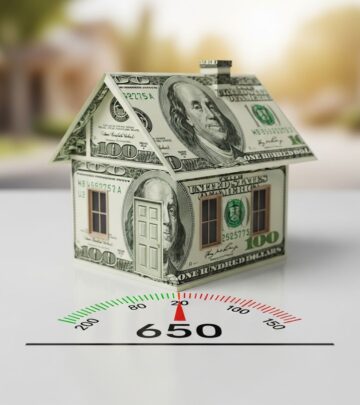
Your credit score is a numerical representation of your creditworthiness, influencing everything from loan approvals to interest rates and even rental applications. A score of 650 places you in a significant but often misunderstood category: fair credit. While this score isn’t exceptional, it’s far from disastrous, and understanding its implications can empower you to make strategic financial decisions and work toward improvement.
Where Does a 650 Score Fit in the Credit Spectrum?
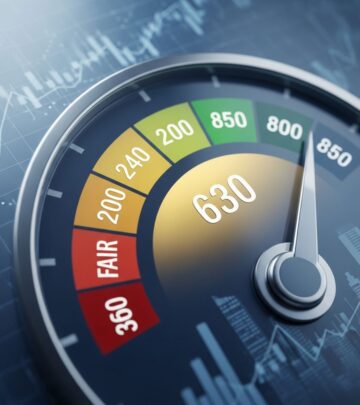
Credit scores operate on a scale of 300 to 850 across most major scoring models, including FICO and VantageScore. A 650 score falls squarely within the fair credit range, typically defined as scores between 580 and 669. This positioning matters because it determines how lenders perceive your financial risk and what terms they’ll offer you.
Statistically, approximately 17% of American consumers hold credit scores within this fair range. While this might seem substantial, it’s important to recognize that 76% of U.S. consumers have scores higher than 650, meaning there’s considerable room for improvement to reach the good credit category, which begins at 670.
The Risk Perception Problem: Understanding Lender Hesitation
When you apply for credit with a 650 score, lenders view you as a higher-risk borrower. Research indicates that roughly 28% of consumers with fair credit scores become seriously delinquent on payments in the future, which explains why some financial institutions are reluctant to work with borrowers in this range.
This risk assessment has tangible consequences. Some lenders simply decline to work with fair credit borrowers altogether. Those who do often charge higher fees and steeper interest rates to compensate for perceived risk. For example, a borrower with prime credit (720 or higher) might receive an auto loan at approximately 5.34% APR, while a borrower with a 620-659 score faces an average rate of 11.76%—more than double.
Accessing Credit and Loans with Fair Credit Status
The good news: a 650 score doesn’t disqualify you from borrowing. However, your path to approval requires stronger qualifications in other areas.
Auto Loans and Fair Credit
Yes, you can obtain an auto loan with a 650 credit score, though preparation is essential. Beyond your credit score, lenders examine your income stability, employment history, and existing debt obligations. A larger down payment can help you negotiate better terms and reduce the total interest paid over the loan’s lifetime. Additionally, securing a co-signer with good credit may provide access to more favorable rates.
Credit Card Options
Credit cards designed specifically for fair credit borrowers exist, though they typically come with annual fees and higher APRs than standard cards. Many issuing banks report cardholder activity to all three national credit bureaus, making responsible use an excellent credit-building tool.
Personal Loans and Other Products
Subprime lenders actively seek fair credit borrowers, though understanding the terms is critical. Carefully compare offers and watch for predatory lending practices that exploit borrowers with fair credit.
The Interest Rate Impact: Real Numbers on Your Wallet
Interest rates represent one of the most significant consequences of fair credit. To illustrate the financial impact: over the lifetime of a typical mortgage, the difference between having a 650 score and a 700 score could amount to $49,889 in additional interest payments. On a monthly basis, this could equate to an extra $138.58 per month—money that could otherwise support savings or other financial priorities.
This disparity underscores why improving your credit score isn’t merely about vanity; it has substantial real-world financial implications affecting your long-term wealth-building capacity.
Beyond Lending: Non-Financial Impacts of a 650 Score
Credit scores influence decisions beyond traditional lending. Landlords frequently review credit reports when evaluating rental applicants, and a fair credit score may result in higher security deposits or application rejection. Some employers also examine credit history during hiring processes, depending on the industry and position. Insurance companies may use credit-based insurance scores to determine premiums in certain states.
Practical Strategies to Build from Fair to Good Credit
Payment History: The Foundation
Payment history comprises approximately 35% of your FICO score calculation. Establishing a consistent pattern of on-time payments is the single most impactful improvement strategy. Set up automatic payments, calendar reminders, or payment apps to ensure you never miss a deadline.
Credit Utilization Optimization
Your credit utilization ratio—the percentage of available credit you’re actively using—represents about 30% of your score. Financial advisors recommend keeping this ratio below 30%. If you have a $5,000 credit limit, aim to carry balances below $1,500. This demonstrates responsible credit management without the appearance of financial distress.
Secured Credit Building Tools
Secured credit cards and credit-builder loans offer pathways for fair credit borrowers to demonstrate improved creditworthiness. With a credit-builder loan, you deposit money into an account, borrow against it, and make payments over time. Once repaid, you access the accumulated funds plus interest. The lender reports your payment behavior to credit bureaus, building positive payment history without requiring excellent credit upfront.
Credit Mix Diversification
Lenders prefer to see evidence that you can manage multiple credit types responsibly. This includes revolving credit (credit cards) and installment credit (auto loans, mortgages). Deliberately seeking this variety isn’t advisable, but if you naturally have multiple credit types, managing them well supports score improvement.
Addressing Negative Information
Review your credit report from all three bureaus (Experian, Equifax, and TransUnion) to identify inaccuracies or fraudulent accounts. You’re entitled to one free annual report from each bureau through AnnualCreditReport.com. Dispute errors immediately, as correcting them can provide noticeable score increases.
The Path from Fair to Good Credit: What Changes
Moving from fair credit (650) to good credit (670-739) represents a meaningful transition. Good credit demonstrates healthier financial history and responsible credit management. The approval process becomes less stressful, interest rates drop significantly, and you gain access to a broader array of financial products.
The distance from 650 to 670—just 20 points—is often achievable within 6-12 months of consistent responsible credit behavior. This proximity makes the good credit range an attainable goal rather than a distant aspiration.
Understanding Score Variability
It’s normal to have multiple credit scores, as different lenders use different scoring models and information. Your FICO score differs from your VantageScore, and individual credit card issuers may use proprietary scores based on their own data. Additionally, scores change regularly as new information enters your credit file. Don’t be alarmed by minor fluctuations; focus on the overall trend.
Common Misconceptions About Fair Credit
Many borrowers with 650 scores assume they’re ineligible for mainstream financial products. This isn’t accurate. While terms may be less favorable than for excellent credit borrowers, fair credit doesn’t automatically disqualify you. What it does require is proactive engagement—stronger applications, larger down payments, careful lender selection, and willingness to accept higher costs as a short-term tradeoff for building credit.
Another misconception: checking your own credit score damages it. This is false. Soft inquiries from your own credit monitoring don’t affect your score. Only hard inquiries from lenders when you apply for new credit impact your score, and the effect is typically temporary.
Building Your Improvement Timeline
Realistic expectations are crucial. Improving from 650 to 750+ doesn’t happen overnight, but with consistent effort, most borrowers can reach the good credit range within 12-18 months. Here’s a typical progression:
- Months 1-3: Establish on-time payment patterns and reduce credit utilization. Minimal score improvement expected as positive history accumulates.
- Months 4-6: Score improvements accelerate as recent positive payment history becomes more prominent. Expect 20-50 point increases.
- Months 7-12: Continued improvements as older negative items age. Additional 30-60 point gains typical.
- Months 12+: Reaching good credit range becomes feasible. Further improvements depend on overall credit profile.
Frequently Asked Questions
- Can I get a mortgage with a 650 credit score?
- Yes, but mortgage approval with fair credit requires stronger qualifications in income and employment history. Interest rates will be higher, and you may face larger down payment requirements. FHA loans, which allow scores as low as 580, may be more accessible than conventional mortgages.
- How long do negative items stay on my credit report?
- Most negative information remains for seven years. However, impact diminishes significantly as the item ages. A late payment from six years ago affects your score far less than one from six months ago.
- Should I apply for multiple credit cards to improve my score?
- No. Multiple applications within a short timeframe generate multiple hard inquiries, temporarily lowering your score and signaling desperation to lenders. Apply selectively for cards that genuinely serve your needs.
- Does closing old credit accounts improve my score?
- Counterintuitively, closing accounts often hurts your score by reducing available credit and shortening your average account age. Keep old accounts open even if unused, provided they have no annual fee.
- Is it better to pay off debt or make minimum payments?
- Paying more than minimum payments demonstrates financial responsibility and reduces utilization ratios faster. While minimum payments technically satisfy your obligation, they extend the repayment timeline and increase total interest paid.
Taking Action Today
A 650 credit score represents a starting point, not a destination. The financial services industry has designed multiple pathways for fair credit borrowers to access credit and build toward better terms. Success requires commitment to on-time payments, strategic credit management, and patience as positive behaviors accumulate in your credit history.
The distance from fair to good credit is shorter than many borrowers realize. With intentional effort and the strategies outlined here, reaching 670+ and accessing the significantly better terms associated with good credit is an achievable goal within reach.
References
- FICO Credit Score Ranges and What They Mean — Fair Isaac Corporation. https://www.fico.com/en/products/fico-score
- 650 Credit Score: What You Need to Know — Upstart. 2024. https://www.upstart.com/credit-score/650-credit-score
- 650 Credit Score: Is it Good or Bad? — Experian. 2025. https://www.experian.com/blogs/ask-experian/credit-education/score-basics/650-credit-score/
- What Is a Good Credit Score? — Experian. 2024. https://www.experian.com/blogs/ask-experian/credit-education/score-basics/what-is-a-good-credit-score/
- What does a 650 credit score mean? — Credit Karma. 2025. https://www.creditkarma.com/credit-scores/650
- Is 650 a Good Credit Score? — Capital One. 2024. https://www.capitalone.com/learn-grow/money-management/is-650-a-good-credit-score/
Similar Articles








Read full bio of medha deb