FAFSA: 6 Top Questions Answered For 2025
Unlock financial aid secrets with expert tips on deadlines, documents, and common FAFSA pitfalls for college funding success.
The Free Application for Federal Student Aid (FAFSA) serves as the primary gateway to federal grants, loans, and work-study programs, while also unlocking state and institutional aid opportunities. Completing it accurately and on time can significantly reduce college costs. This guide addresses common concerns, drawing from official processes to help students and families navigate the form effectively.
Understanding FAFSA Basics and Eligibility
FAFSA determines your Expected Family Contribution (EFC), now called the Student Aid Index (SAI), which colleges use to award aid. Eligibility requires U.S. citizenship or eligible non-citizen status, a valid Social Security number, and high school diploma or equivalent. Most undergraduates qualify, but independency status affects requirements.
- Key Eligibility Factors: Enrollment in an eligible program, no drug convictions impacting aid, and valid consent for IRS data transfer.
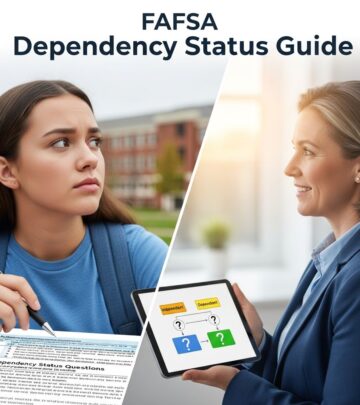
- Dependent students must include parental income; independents report only their own, unless married or with dependents.
- Special cases like foster youth or homeless students may qualify as independent without parental data.
Gather documents early: tax returns, W-2s, bank statements, and untaxed income records. Parents of dependents need their SSN and financial details.
Critical Deadlines You Can’t Ignore
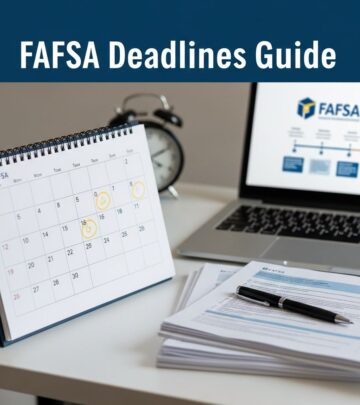
Federal deadlines run from October 1 to June 30, but state and college deadlines often start earlier, sometimes October 1. Submit ASAP for priority consideration, as aid is first-come, first-served.
| Aid Type | Earliest Date | Federal Deadline | Notes |
|---|---|---|---|
| Federal Aid | Oct 1, 2024 (2025-26) | Jun 30, 2026 | School must receive by enrollment end. |
| State Aid | Varies, often Oct 1 | Varies | Check state education dept. |
| College Aid | School-specific | Priority dates | Contact financial aid office. |
Missing deadlines forfeits aid; use the FAFSA Submission Summary with Data Release Number (DRN) to add schools post-submission.
Step-by-Step: Creating Your FSA ID and Starting the Form
Everyone involved needs a Federal Student Aid (FSA) ID. Create one at StudentAid.gov with a unique username, password, and multifactor authentication. Parents and students each require separate IDs.
- Visit studentaid.gov and select “Start New Form.”
- Log in with FSA ID; choose starter (student or parent).
- Enter basic identity info: name, SSN, birthdate, address.
- Consent to IRS data transfer—mandatory for aid eligibility.
If starting as parent, complete student circumstances first, then invite student. Processing takes days; monitor via email updates.
Navigating Student Sections: From Demographics to Finances
Student sections cover identity, residence, circumstances, demographics, finances, and school selection.
- Identity & Residence: Verify SSN, select primary state of residence (where you live when not in school).
- Personal Circumstances: Report federal benefits, tax status, family size, college attendees. Answer honestly for independency questions.
- Demographics: Marital status, gender, race/ethnicity (optional but aids diversity grants).
- Finances: Income, assets, untaxed aid; IRS direct transfer simplifies this.
- Colleges: Add up to 20 schools by code; order may matter for state aid.
Review before signing electronically with FSA ID.
Parent and Spouse Contributor Roles Explained
Dependents must invite parents as contributors via email. Parents log in separately to complete demographics (SSN, residence) and finances (income, assets, investments).
Married parents invite spouses if filing jointly. Steps:
- Student invites parent after their sections.
- Parent accepts, enters data, including family size and benefits.
- All sign; form submits only when complete.
Non-custodial parents may not need inclusion post-updates, but verify via help icons or Aidan chat.
Gathering Essential Documents Before You Begin
Preparation prevents delays. Compile:
- 2023 tax returns, W-2s, 1099s for prior-prior year data.
- Bank/investment statements, child support records.
- Business/farm net worth if applicable.
Use IRS Data Retrieval Tool for accuracy; non-filers still consent.
Common Mistakes and How to Avoid Them
Avoid errors leading to delays or rejection:
- Inaccurate SSNs: Double-check all numbers.
- Missing Contributor Input: Follow up on invites promptly.
- Wrong School Codes: Search official lists.
- No Consent: Blocks IRS transfer, halting processing.
- Late Submission: Mark calendars for state deadlines.
Save progress often; forms time out. Use question mark icons for guidance.
What Happens After Submission: Next Steps
Post-submission, expect a FAFSA Submission Summary (email/link). Check for errors; make corrections via StudentAid.gov. Schools receive data in 3-5 days; await financial aid offers.
If selected for verification, submit tax transcripts promptly. Use DRN to add overlooked schools.
Special Circumstances and Appeals
Divorce, job loss, or medical costs? Complete FAFSA first, then submit a professional judgment request to your aid office with documentation. Not all changes qualify.
FAQs: Quick Answers to Frequent FAFSA Queries
Q: Can I file without parents? Yes, if independent (age 24+, married, military, orphan, etc.).
Q: What’s the processing time? 3-5 business days for summary; aid offers vary by school.
Q: Do I list schools in order? Federal no, but some states yes—check instructions.
Q: Non-U.S. citizen? Eligible non-citizens (permanent residents) qualify; others don’t.
Q: Renewing FAFSA? Start new form annually; prior data pre-fills somewhat.
Q: Spanish version? Available at StudentAid.gov or YouTube guides.
Maximizing Your Aid: Pro Tips
Beyond FAFSA, explore scholarships via BigFuture, CSS Profile for privates. File taxes early, minimize reportable assets pre-filing. Consult school counselors for state specifics.
Track everything via FSA dashboard. Corrections are free until processed.
References
- 2025–26 FAFSA — Federal Student Aid. 2024. https://studentaid.gov/sites/default/files/2025-26-fafsa.pdf
- How to fill out the 2026–27 FAFSA step-by-step — Federal Student Aid (YouTube). 2025. https://www.youtube.com/watch?v=s23oB-_OMQc
- FAFSA Tips for the Class of 2026 — College Board BigFuture. 2025. https://bigfuture.collegeboard.org/pay-for-college/get-help-paying-for-college/fafsa-tips
- Completing the FAFSA Form: Steps for Parents — Federal Student Aid. 2025. https://studentaid.gov/articles/fafsa-for-parents/
- Steps for Students Filling Out the FAFSA Form — Federal Student Aid. 2025. https://studentaid.gov/articles/fafsa-student-steps/
Similar Articles








Read full bio of Sneha Tete