Export: Definition, Types, and Economic Impact
Understanding exports: How goods and services cross borders to drive global trade and economic growth.
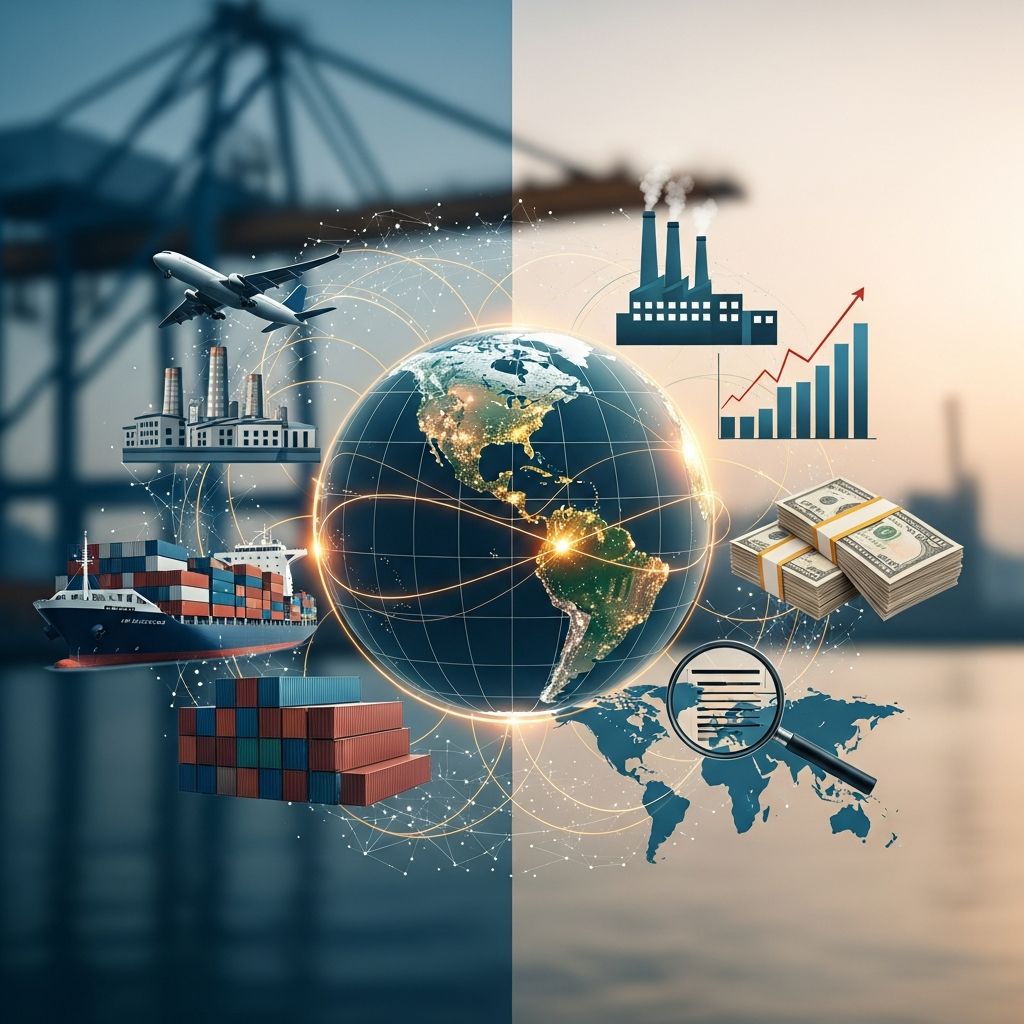
Understanding Exports: A Comprehensive Guide to International Trade
An export represents any product, service, or commodity produced within a country and sold to customers in another country. Exports are fundamental to international commerce and represent a critical component of a nation’s gross domestic product (GDP). When businesses and individuals engage in exporting, they contribute directly to their country’s economic growth, create employment opportunities, and facilitate cross-border economic relationships that benefit both trading partners.
The concept of exporting has existed for centuries, evolving from simple bartering systems to complex global supply chains involving digital services, intellectual property, and sophisticated manufactured goods. Today, exports encompass everything from agricultural products and raw materials to advanced technology, pharmaceuticals, entertainment content, and professional services. Understanding exports is essential for policymakers, business leaders, investors, and anyone seeking to comprehend how modern economies function in an interconnected world.
The Definition of Exports
At its core, an export is any good or service that leaves a country’s borders for consumption, use, or sale in another nation. Exports are typically measured in monetary value and represent transactions where ownership of products or rights to services transfers from a domestic seller to a foreign buyer. The transaction may involve direct sales by companies, government-to-government trade, or indirect transfers through intermediaries and trading companies.
The key distinguishing factor of an export is that it generates foreign exchange for the exporting country. This foreign currency inflow strengthens the nation’s balance of payments, enhances its financial reserves, and provides capital for further economic development. Governments often track export data closely as a vital economic indicator, as changes in export volumes and values reflect shifts in global demand, competitiveness, and economic health.
Types of Exports
Exports fall into several distinct categories, each serving different economic functions and market dynamics:
Merchandise Exports
Merchandise exports consist of tangible physical goods produced domestically and sold internationally. This category includes agricultural products such as grains, fruits, and livestock; raw materials like minerals, timber, and petroleum; manufactured goods ranging from textiles and automobiles to electronics and machinery; and consumer products including food, beverages, and household items. Merchandise exports represent the largest portion of international trade by volume and value.
Service Exports
Service exports involve intangible products delivered across borders. These include financial services such as banking, insurance, and investment management; professional services including consulting, legal services, and accounting; information technology services such as software development and digital services; tourism and hospitality; transportation and logistics; education through international student programs; and entertainment content including films, music, and digital media. Service exports have grown exponentially in the digital age and now constitute a significant portion of global trade.
Digital and Knowledge-Based Exports
This emerging category encompasses software, intellectual property, digital content, online services, and technology exports. Companies export digital products, applications, data analytics services, and cloud-based solutions to international clients. Knowledge-based exports reflect the shift toward high-value, innovation-driven economies where intellectual capital creates competitive advantages.
The Export Process
The journey from production to successful export involves multiple stages and considerations. Businesses must first identify suitable international markets, conduct market research, understand regulatory requirements, and determine pricing strategies that account for currency fluctuations and local purchasing power. Exporters must obtain necessary licenses, comply with customs regulations, arrange shipping and logistics, manage documentation, and establish payment mechanisms that protect both parties in international transactions.
Export documentation typically includes commercial invoices, packing lists, bills of lading, certificates of origin, and various regulatory certifications depending on the product type and destination country. Many exporters work with freight forwarders, customs brokers, and international trade specialists to navigate the complex regulatory environment and ensure smooth cross-border transactions.
Benefits and Economic Impact of Exports
Exports generate numerous economic benefits for exporting nations and individual businesses:
Foreign Exchange Generation
Export sales bring foreign currency into the country, strengthening the balance of payments and providing capital for imports, debt repayment, and investment. This foreign exchange is essential for maintaining stable currency values and international financial stability.
Employment Creation
Export-oriented industries create jobs across manufacturing, logistics, services, and support sectors. Workers employed in export industries often earn higher wages than domestic-focused sectors, contributing to rising living standards and economic prosperity.
Economic Growth
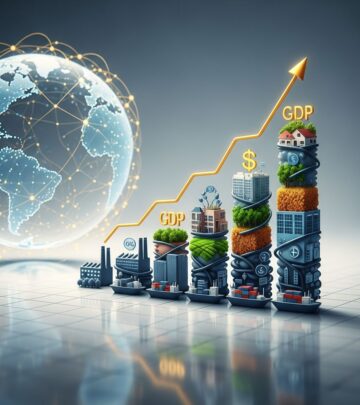
Exports contribute directly to GDP calculations and represent a significant driver of economic growth. Countries with strong export sectors typically experience faster economic expansion, higher productivity, and increased innovation as companies compete internationally.
Business Expansion and Innovation
Exporting allows companies to expand beyond domestic market limitations, achieve economies of scale, and access larger customer bases. International competition spurs innovation as companies strive to maintain competitiveness and meet diverse customer requirements across different markets.
Strategic Trade Relationships
Export relationships foster diplomatic ties and political stability between nations. Countries with deep trade interdependencies typically have stronger incentives to maintain peaceful relationships and resolve conflicts through negotiation rather than confrontation.
Factors Affecting Export Competitiveness
Multiple factors determine a country’s export competitiveness and success in international markets:
Exchange Rates
Currency valuation significantly impacts export prices and competitiveness. A weaker domestic currency makes exports cheaper and more attractive to foreign buyers, while a stronger currency increases export prices and may reduce demand. Exporters must manage currency risk through hedging strategies or pricing adjustments.
Production Costs
Labor costs, raw material prices, energy expenses, and infrastructure quality all influence production costs and export pricing. Countries with efficient production systems and lower input costs typically enjoy competitive advantages in price-sensitive markets.
Quality and Innovation
Product quality, technological advancement, and design innovation determine competitiveness in premium market segments. Countries investing in research and development, education, and technology infrastructure typically produce higher-value exports commanding better prices.
Trade Policies and Regulations
Tariffs, quotas, trade agreements, and regulatory standards affect export volumes and profitability. Favorable trade agreements reduce barriers and expand market access, while protectionist policies and strict regulations may limit export opportunities.
Infrastructure and Logistics
Quality ports, transportation networks, and logistics systems reduce shipping costs and delivery times, enhancing competitiveness. Countries with efficient infrastructure can export to distant markets more cost-effectively than those with inadequate systems.
Export Statistics and Global Trade Patterns
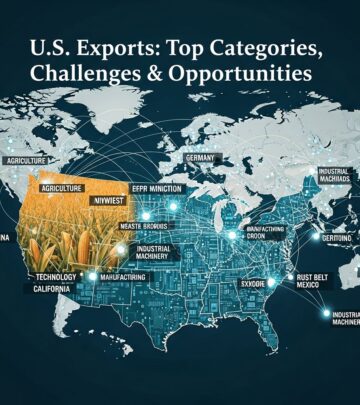
Global merchandise trade volumes exceed trillions of dollars annually, with major exporters including China, the European Union, United States, Japan, and Germany. Manufacturing exports dominate by value, though service exports continue growing rapidly. Developing nations increasingly participate in global export markets, particularly through manufacturing and agricultural products, while developed economies focus on high-value services and technology exports.
Challenges in Exporting
Exporters face numerous obstacles including international competition, regulatory compliance complexity, currency volatility, political instability, shipping disruptions, and cultural differences. Market entry costs can be substantial, requiring investments in market research, certifications, and infrastructure. Small and medium-sized enterprises often struggle with export financing, lack of international experience, and limited resources for navigating complex global markets.
Export Promotion and Government Support
Governments worldwide implement policies and programs supporting export development. Export credit agencies provide financing and insurance for international transactions. Trade promotion organizations offer market information, networking opportunities, and training. Free trade agreements and bilateral trade partnerships reduce barriers and facilitate commerce. Tax incentives and subsidies sometimes support specific export sectors, though such policies remain controversial under international trade rules.
The Future of Exports
Export markets continue evolving with technological advancement and globalization. E-commerce platforms enable small businesses to reach international customers directly. Digital services exports are expanding rapidly as companies sell software, content, and online services globally. Sustainability considerations increasingly influence export decisions as consumers demand environmentally responsible products. Supply chain resilience has gained importance following disruptions, encouraging companies to diversify sourcing and export markets.
Frequently Asked Questions
What is the difference between exports and imports?
Exports are products and services produced domestically and sold abroad, while imports are foreign-produced goods and services purchased for domestic consumption. Together, they comprise a nation’s international trade balance.
How do exports affect currency value?
Increased export demand raises foreign demand for domestic currency needed to purchase exports, which typically strengthens the currency. Conversely, declining exports reduce foreign currency demand and may weaken the domestic currency.
What are export subsidies?
Export subsidies are government payments or incentives supporting export industries, reducing production costs or providing price advantages. While they help domestic exporters compete internationally, they often violate international trade rules and trigger retaliatory measures.
Which countries export the most?
China leads global exports by value, followed by the European Union as a bloc, the United States, Japan, and Germany. Export rankings vary by category, with different countries dominating merchandise, services, or technology exports.
What documentation is required for exporting?
Essential export documents include commercial invoices, packing lists, bills of lading, certificates of origin, export licenses, and product-specific certifications. Required documentation varies by destination country and product type.
How do trade agreements impact exports?
Trade agreements reduce tariffs, eliminate quotas, harmonize standards, and facilitate commerce between member countries. These agreements typically increase export opportunities and competitiveness for participating nations’ companies.
What role do export credit agencies play?
Export credit agencies provide financing, insurance, and guarantees for international transactions, reducing risk for exporters and foreign buyers. They facilitate trade by addressing financing gaps in international commerce.
References
- International Trade Statistics — World Trade Organization (WTO). 2024. https://www.wto.org/english/res_e/statis_e/statis_e.htm
- Export Competitiveness Index — International Institute for Management Development (IMD). 2024. https://www.imd.org/
- Global Trade Performance Index — International Trade Centre (ITC). 2024. https://www.intracen.org/
- Trade Policy Review Mechanism — World Trade Organization (WTO). 2024. https://www.wto.org/english/tratop_e/tpr_e/tpr_e.htm
- Export Promotion Policies and Performance — United Nations Conference on Trade and Development (UNCTAD). 2024. https://unctad.org/
Similar Articles








Read full bio of Sneha Tete