Exploring Personal Loan Varieties
Discover the diverse world of personal loans, from unsecured options to specialized alternatives, and learn how to select the ideal one for your financial goals.
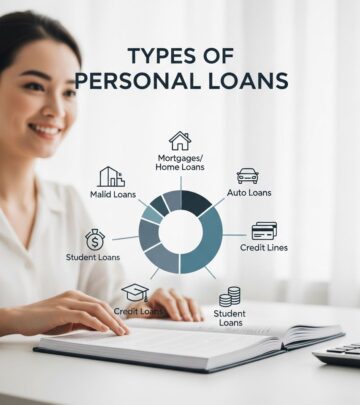
Personal loans provide flexible financing solutions for a range of needs, such as covering unexpected expenses, funding major purchases, or streamlining debt payments. These loans typically involve borrowing a fixed amount repaid in equal installments over time, offering predictability compared to revolving credit options like credit cards. With options tailored to different credit profiles and purposes, understanding the distinctions helps borrowers make informed choices that align with their financial situations.
Core Categories of Personal Financing
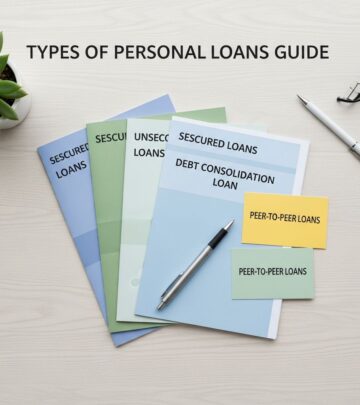
At their foundation, personal loans divide into two primary categories: those backed by assets and those relying solely on the borrower’s promise to repay. This fundamental split influences eligibility, rates, and risks involved.
Loans Without Collateral Requirements
Unsecured personal loans stand out as the most prevalent choice among banks, credit unions, and online platforms. They do not demand any pledged property, making approval hinge entirely on credit history, income stability, and debt levels. Interest rates tend to be higher to offset the lender’s elevated risk, yet their accessibility appeals to many. Typical uses include emergency funding or short-term needs, with loan amounts often ranging from a few thousand to tens of thousands of dollars.
Asset-Backed Borrowing Options
In contrast, secured personal loans necessitate collateral, such as a vehicle, savings deposit, or certificate of deposit. This security lowers the lender’s exposure, frequently resulting in more favorable rates and larger sums available, even for those with weaker credit. Defaulting allows the lender to seize the asset, underscoring the importance of repayment commitment. Credit unions and select banks commonly extend these, particularly for amounts exceeding standard unsecured limits.
Interest Rate Structures Explained
Beyond security, the nature of interest accrual shapes loan affordability. Most offerings feature fixed rates, ensuring consistent monthly outlays regardless of economic shifts. This stability aids budgeting, especially for longer terms.
Variable-rate alternatives, though rarer, tie payments to market indices. They might begin with attractive lows but carry the potential for hikes, suiting short-duration borrowings where rapid payoff mitigates uncertainty. Borrowers favoring predictability overwhelmingly opt for fixed structures.
| Feature | Fixed-Rate Loans | Variable-Rate Loans |
|---|---|---|
| Payment Stability | Consistent monthly amount | Subject to market changes |
| Initial Rate | Potentially higher | Often lower at outset |
| Best For | Long-term planning | Short-term, aggressive repayment |
Specialized Loans for Debt Management
Debt consolidation loans merge multiple obligations into a single account, ideally at a reduced rate. This simplifies tracking and can cut total interest if the new terms outperform prior ones. High-interest credit card balances often serve as prime candidates, freeing up cash flow for essential spending.
- Combines various debts into one payment.
- May shorten overall repayment period.
- Requires discipline to avoid new debt accumulation.
Shared Responsibility Models
When individual qualifications fall short, involving a second party opens doors. Joint loans grant both applicants equal rights to funds and joint liability for repayment. Cosigned versions limit fund access to the primary borrower, with the cosigner stepping in only upon default. Either approach can unlock better rates or higher limits via the added credit strength, but strains relationships if payments falter.
Credit Improvement Through Structured Borrowing
Credit-builder loans, a secured variant, hold the borrowed sum in an account while you make payments, reporting positively to bureaus upon completion. Designed for those building histories, they flip traditional lending by prioritizing on-time performance over upfront credit checks. Membership in participating credit unions is often required.
Revolving Access Alternatives
Personal lines of credit (PLOCs) diverge from lump-sum models, offering drawable funds up to a limit with interest only on utilized portions. A draw phase permits borrowing and minimal payments, followed by extended repayment. Variable rates prevail, introducing payment flux ideal for ongoing, unpredictable needs rather than one-off expenses.
Short-Term and Small-Scale Solutions
For modest needs under $2,000, payday alternative loans (PALs) from federal credit unions cap rates at 28% with terms to one year. Existing members benefit from this safeguard against predatory payday products. Similarly, select banks provide small-dollar loans, like $500 advances with flat fees, repayable in months for loyal customers.
- PALs: Up to $2,000, max 28% APR.
- Bank options: $100-$1,000, low fees.
- Target: Quick cash without credit damage.
Purposes and Practical Applications
Versatility defines personal loans, supporting weddings, medical bills, home upgrades, or vehicle repairs. Unsecured fits flexible spending; secured suits larger investments. Always weigh total costs via APR, which encompasses fees alongside interest.
| Use Case | Recommended Type | Why? |
|---|---|---|
| Debt payoff | Consolidation | Lower combined rates |
| Asset purchase | Secured | Competitive terms |
| Credit building | Credit-builder | Positive reporting |
| Ongoing needs | PLOC | Flexible draws |
Qualification Factors and Strategies
Lenders scrutinize credit scores (ideally 670+ for primes), debt-to-income ratios below 36%, and verifiable income. Prequalification checks rates sans credit dings. Improving profiles via payment history and low utilization boosts odds. Compare multiple offers for optimal APRs and terms.
Potential Pitfalls to Avoid
High fees, prepayment penalties, or unsuitable terms erode benefits. Variable rates risk escalation; overborrowing inflates debt loads. Alternatives like 0% balance transfers or employer advances merit consideration for minor gaps.
Navigating 2026 Market Trends
As of early 2026, competitive rates hover around 6-7% for top tiers, per lender benchmarks. Online platforms expedite funding, often same-day, while banks emphasize relationship perks. Regulatory caps on credit union PALs maintain consumer protections.
Frequently Asked Questions
What credit score is needed for an unsecured personal loan?
Scores above 670 secure best rates; sub-600 may require secured or cosigned paths.
Are personal loans preferable to credit cards?
Yes for fixed needs, offering lower fixed rates versus cards’ variable highs.
Can personal loans damage credit?
Applications cause temporary dips; on-time payments enhance scores long-term.
How quickly are funds disbursed?
Often 1-7 days; some online lenders deliver next business day.
Should I choose fixed or variable rates?
Fixed for certainty; variable for short terms with rate drop potential.
References
- 8 types of personal loans and their uses — plus 5 to avoid — Bankrate. 2026. https://www.bankrate.com/loans/personal-loans/types-of-personal-loans/
- 8 Types of Personal Loans and When They’re Best — NerdWallet. 2026. https://www.nerdwallet.com/personal-loans/learn/personal-loan-types
- What Are the Different Types of Personal Loans? — Experian. 2026. https://www.experian.com/blogs/ask-experian/types-of-personal-loans/
- Comparing Different Types Of Personal Loans — Heritage Federal Credit Union. 2026. https://heritagefcu.com/comparing-different-types-of-personal-loans/
- Personal Loan Rates: Best Lenders of March 2026 — Credible. 2026-03. https://www.credible.com/personal-loan
- Understanding the Different Types of Personal Loans Available — Greater Alliance Credit Union. 2026. https://www.greateralliance.org/understanding-the-different-types-of-personal-loans-available/
Similar Articles








Read full bio of Sneha Tete