Exploring Personal Loan Options
Discover various personal loan types, their benefits, risks, and how to choose the right one for your financial needs in 2026.

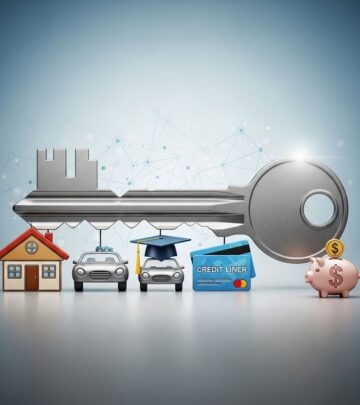
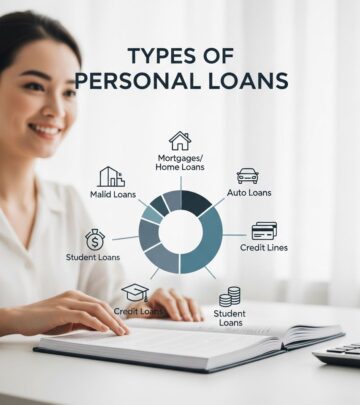
Personal loans offer flexible financing for a range of needs, from covering unexpected expenses to consolidating debts. Understanding the varieties available helps borrowers select options that align with their credit profile and goals. This article delves into key types, their features, and strategic considerations for effective use.
Understanding the Basics of Personal Financing
At their core, personal loans provide a lump sum repaid in fixed installments, distinguishing them from revolving credit like credit cards. Most feature fixed interest rates for predictable payments, though variable rates exist for certain products. Lenders evaluate credit scores, income, and debt levels to determine eligibility and terms.
Borrowers turn to these loans for purposes like home repairs, medical bills, or major purchases. Approval hinges on factors such as credit history and debt-to-income ratio, with stronger profiles securing better rates.
Unsecured Personal Loans: Flexibility Without Collateral
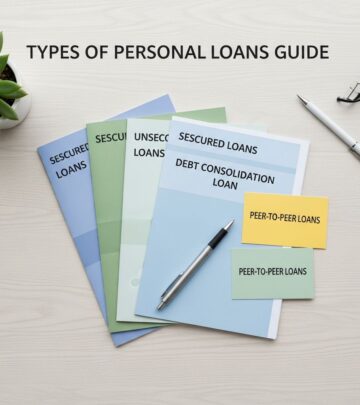
Unsecured loans stand out for their accessibility, requiring no assets as backing. Lenders rely solely on the borrower’s creditworthiness, making them ideal for those with solid scores seeking quick funds. Interest rates tend to be higher due to the increased risk, but approval is often faster without asset verification.
These loans suit short-term needs like vacations or emergency costs. For instance, they enable debt payoff or business startups without pledging property. However, higher APRs mean careful budgeting is essential to avoid extended repayment burdens.
Secured Personal Loans: Lower Rates with Asset Backing
In contrast, secured loans demand collateral, such as savings accounts, CDs, or vehicles, reducing lender risk and unlocking lower rates. This setup benefits those with lower credit scores, as the asset provides security. Defaulting risks asset loss, like repossession of a car in auto-secured cases.
Credit-builder variants deposit payments into a savings account, released upon completion, aiding score improvement. Available through banks and credit unions, they often feature higher limits and flexible terms.
Debt Consolidation: Streamlining Multiple Payments
Debt consolidation loans merge high-interest obligations, like credit cards, into one lower-rate payment. This simplifies finances and cuts total interest if the new APR is favorable. Origination fees may apply, but savings often outweigh them for eligible borrowers.
Fixed payments enhance budgeting over variable card minimums. Success depends on securing a rate below existing debts, typically requiring good credit.
Joint and Cosigned Arrangements: Boosting Approval Odds
When solo qualification falters, joint or cosigned loans incorporate a second party’s credit and income. Joint applicants share fund access and repayment duty equally. Cosigners act as guarantors, stepping in only on primary default, without fund use.
These options expand access to larger sums or superior terms for those with fair credit, but shared responsibility demands trust and clear communication.
Personal Lines of Credit: Revolving Access to Funds
Unlike lump-sum loans, personal lines of credit (PLOCs) offer draw periods for borrowing as needed, repaying only used amounts. Variable rates prevail, with minimum payments during 3-5 year draw phases, followed by extended repayment.
Suited for ongoing needs, they provide flexibility but payment unpredictability due to rate fluctuations. Best for disciplined users monitoring market shifts.
Specialized Loan Products for Unique Needs
Beyond standards, niche loans address specific scenarios. Buy-now-pay-later (BNPL) splits purchases into short-term installments via apps like Affirm, often with soft credit checks. Balance transfer or moving loans target relocations, while funeral or emergency options cover unforeseen costs.
- BNPL Loans: Quick approvals for retail, due in weeks.
- Emergency Loans: Fast unsecured funds for urgent bills.
- Moving Loans: Cover relocation expenses like deposits.
Fixed vs. Variable Interest Rates: Weighing Stability and Savings
Fixed rates lock in payments for budgeting ease, ideal for long terms. Variable rates may start lower but rise with markets, suiting short-term aggressive payoffs.
| Feature | Fixed Rate | Variable Rate |
|---|---|---|
| Payment Predictability | High | Low |
| Initial APR | Stable | Often Lower |
| Risk | Minimal | Rate Increases |
| Best For | Long-term | Short-term |
Qualification Factors and Approval Tips
Lenders scrutinize credit scores (typically 670+ for best rates), income stability, and debt ratios under 36%. Strong histories yield approvals up to $50,000; weaker ones may need secured or cosigned paths.
Improving odds involves checking scores via free reports, reducing debts, and shopping multiple lenders. Prequalification avoids hard inquiries.
Risks and Pitfalls to Avoid
Overborrowing inflates debt loads, while high fees erode savings. Variable rates pose hikes, and collateral risks asset forfeiture. BNPL overuse signals to creditors, potentially harming scores.
Defaulting tanks credit for seven years. Always calculate total costs using APRs.
Strategic Uses for Financial Growth
Beyond emergencies, loans fund investments like education or business launches. Credit-builders foster histories for future mortgages. Consolidation accelerates equity building.
Pair with budgets: Allocate savings from lower rates to high-yield savings.
Comparing Lenders and Shopping Smart
Online platforms, banks, and credit unions vary in offerings. Compare APRs, fees, and terms via aggregators. Credit unions often provide member perks like reduced rates.
- Review minimum credit requirements.
- Check origination fees (1-8%).
- Assess repayment flexibility.
FAQs on Personal Loans
What credit score is needed for an unsecured personal loan?
Typically 670+, though some accept fair credit at higher rates.
Can I use a personal loan for any purpose?
Yes, most are unrestricted, unlike mortgages.
How do secured loans affect credit?
Timely payments boost scores; defaults harm via collateral loss.
Are variable-rate loans worth it?
For short terms if rates stay low, but fixed offers security.
What if I can’t qualify alone?
Consider cosigners or secured options.
Steps to Apply Successfully
- Gather documents: ID, income proof, debt statements.
- Prequalify with lenders.
- Compare offers using APR.
- Submit full application.
- Review terms before signing.
Post-approval, automate payments to avoid misses.
References
- Types of Loans — Pathways Financial Credit Union. 2023. https://pathwayscu.com/help-center/types-of-loans
- 8 types of personal loans and their uses — plus 5 to avoid — Bankrate. 2025-03-15. https://www.bankrate.com/loans/personal-loans/types-of-personal-loans/
- What Are the Different Types of Personal Loans? — Experian. 2024-10-01. https://www.experian.com/blogs/ask-experian/types-of-personal-loans/
- Understand the different kinds of loans available — Consumer Financial Protection Bureau. 2025. https://www.consumerfinance.gov/owning-a-home/explore/understand-the-different-kinds-of-loans-available/
- Types of Personal Loans — LendingClub. 2024. https://www.lendingclub.com/personal-loan/loan-types
- What Can Personal Loans Be Used For? — PNC Bank. 2025-02-20. https://www.pnc.com/insights/personal-finance/borrow/what-can-personal-loans-be-used-for.html
- Guide to personal loans: 7 questions to ask — U.S. Bank. 2024-11-10. https://www.usbank.com/financialiq/manage-your-household/personal-finance/personal-loans-first-timers-guide.html
Similar Articles








Read full bio of medha deb