Exploring Paris: A Complete Visitor’s Guide
Discover Paris's iconic attractions, neighborhoods, and cultural treasures with practical planning strategies.
Paris stands as one of the world’s most visited cities, attracting millions of travelers annually who seek to experience its renowned museums, historic landmarks, picturesque neighborhoods, and sophisticated culture. Planning a successful Paris visit requires thoughtful consideration of timing, pacing, and strategic site selection rather than attempting to experience everything within a limited timeframe. This guide provides comprehensive information to help visitors of all types maximize their time in the City of Light.
Understanding Paris’s Seasonal Patterns
Choosing the right season significantly influences your Paris experience, as weather conditions, crowd levels, and atmospheric qualities vary considerably throughout the year. Each season presents distinct advantages depending on your travel priorities and preferences.
Spring Months
Spring, spanning April through June, offers ideal conditions for most travelers. During these months, temperatures range from comfortable to pleasantly warm, with Paris experiencing an average of 15-20°C. The landscape blooms with flowers, cafés set up outdoor seating, and the city takes on a fresh, vibrant energy. Spring represents the optimal balance between favorable weather and manageable crowd sizes, making it the most recommended period for first-time visitors.
Summer Season
Summer brings longer daylight hours and lively street activity, with many outdoor festivals and events occurring throughout July and August. However, these months attract peak tourist volumes, resulting in extended lines at major attractions and crowded neighborhoods. Temperatures can become quite warm, and popular sites may become uncomfortably congested during midday hours.
Autumn Period
Fall, particularly September through October, offers excellent light conditions for photography and sightseeing, combined with calmer crowds compared to summer months. The weather remains pleasant, and the cultural calendar fills with theater performances, exhibitions, and festivals. Many consider autumn the second-best season for visiting Paris.
Winter Months
Winter transforms Paris into a quieter, more intimate destination suitable for museum exploration and enjoying the city’s cuisine-focused culture. While temperatures drop and rain becomes more frequent, winter offers advantages including shorter museum lines, lower accommodation costs, and a distinctly different Parisian atmosphere.
Navigating Paris’s Iconic Neighborhoods
Paris’s distinctive character emerges most clearly through its neighborhoods, each offering unique cultural flavors, architectural styles, and local atmospheres. Understanding these areas helps visitors select districts that match their interests and travel style.
The Left Bank Experience
The Left Bank encompasses the Latin Quarter and Saint-Germain-des-Prés areas, historically associated with intellectual life, bohemian culture, and artistic movements. This region features narrow medieval streets, independent bookstores, historic cafés, and literary landmarks. The area appeals strongly to those seeking authentic Parisian atmosphere, cultural depth, and walkable streets filled with character. Major attractions include the Panthéon, Musée Rodin, and Musée d’Orsay, along with countless smaller galleries and boutiques.
The Right Bank Character
The Right Bank hosts some of Paris’s most famous landmarks and busier commercial areas. The Marais district combines historic architecture with contemporary fashion boutiques, art galleries, and vibrant food culture. This neighborhood provides excellent walking opportunities and represents a blend of old and new Paris. The broader Right Bank includes the Louvre Museum, Champs-Élysées, and numerous luxury shopping destinations.
Artistic Montmartre
Montmartre sits atop a hill on the northern edge of central Paris, distinguished by its bohemian heritage, artistic community, and iconic Sacré-Cœur basilica. The neighborhood features steep streets, artist studios, and numerous cafés where writers and painters once gathered. Montmartre attracts visitors seeking connection to Paris’s artistic past and preferring quieter, more residential atmosphere compared to commercial districts. Early morning or evening visits prove most rewarding for avoiding daytime crowds.
Essential Cultural Institutions
Paris houses world-class museums and cultural institutions that represent centuries of artistic and historical achievement. Strategic selection rather than exhaustive touring allows meaningful engagement with these collections.
The Louvre and Its Masterpieces
The Louvre ranks among the world’s largest and most visited museums, housing approximately 35,000 works spanning from ancient civilizations through 19th-century art. Rather than attempting comprehensive coverage, experienced visitors recommend targeting specific galleries aligned with personal interests. Major highlights include the Mona Lisa, Venus de Milo, and Winged Victory sculptures, along with extensive Egyptian, Islamic, and Renaissance collections.
Impressionist Collections
Musée d’Orsay specializes in 19th-century and Impressionist art, housed within a beautifully renovated Beaux-Arts railway station. The museum contains masterworks by Monet, Renoir, Degas, Van Gogh, and Cézanne. Musée de l’Orangerie features Monet’s monumental Water Lilies series in specially designed galleries. Musée Marmottan Monet holds the world’s largest collection of Monet paintings.
Specialized Museums
Paris offers numerous focused collections addressing specific interests. The Musée Rodin showcases sculpture and decorative arts within a historic mansion and garden setting. Centre Pompidou presents modern and contemporary art within an architecturally distinctive building. Smaller institutions focus on topics ranging from fashion history to decorative arts to Asian cultures, providing depth for visitors with particular interests.
Iconic Landmarks and Historic Sites
Certain landmarks define Paris’s international identity and warrant inclusion in most itineraries, though each can be experienced in various ways depending on time and interest level.
The Eiffel Tower and Surroundings
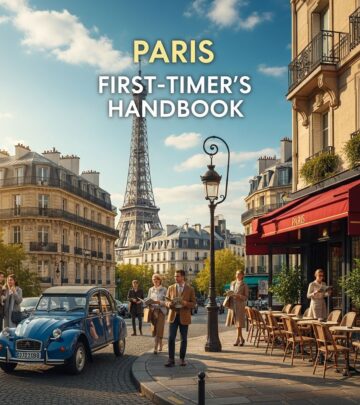
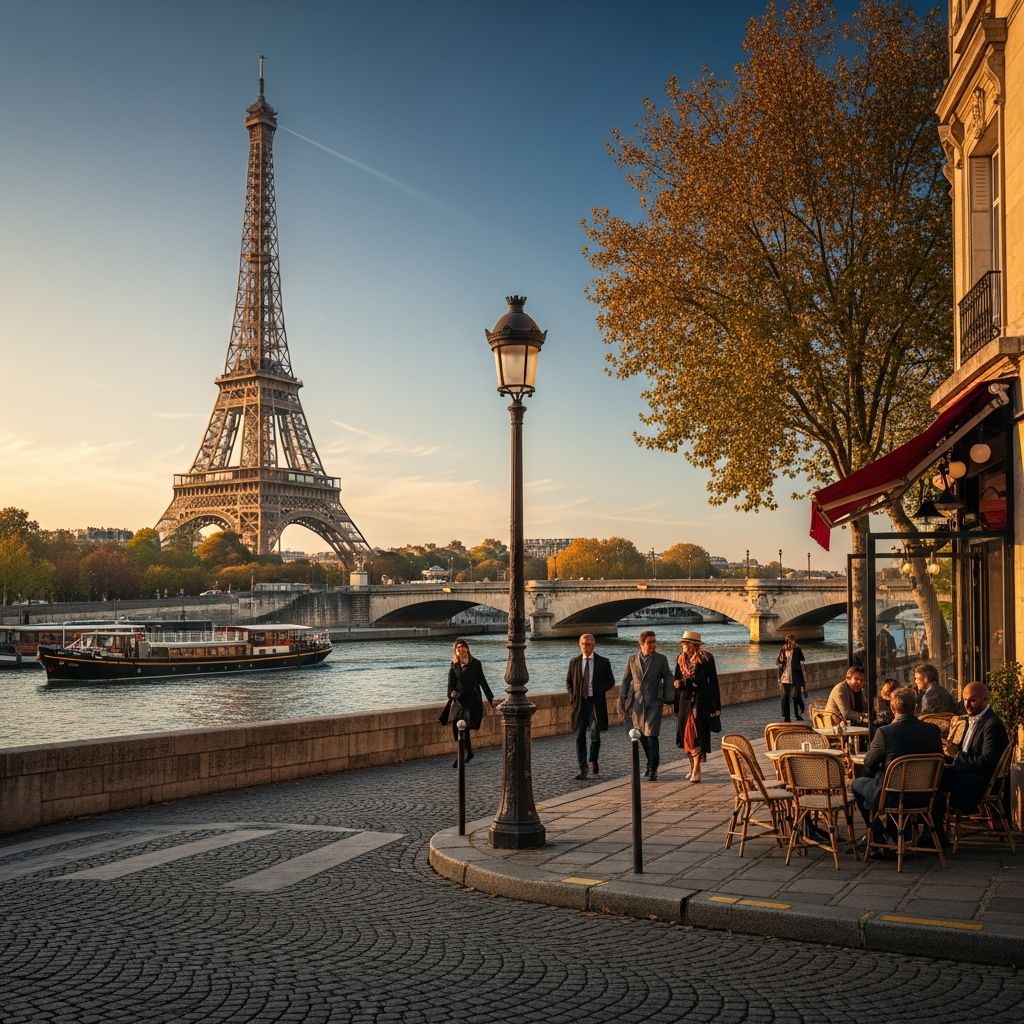
The Eiffel Tower dominates Paris’s skyline and represents the city’s most recognizable symbol. Visitors can ascend to various levels for panoramic city views or enjoy the experience from ground level and surrounding parks. The immediate area includes the Trocadéro plaza, offering excellent photograph opportunities, and the Champs de Mars garden. The Eiffel Tower area serves as an excellent reference point for orientation and provides memorable views across Paris.
Notre-Dame Cathedral and Historic Heart
Notre-Dame Cathedral stands in the Île de la Cité, the historic island at Paris’s geographic center. While current restoration work limits interior access, the exterior architecture and surrounding medieval streets remain significant. The nearby Sainte-Chapelle features extraordinary stained glass, and the Conciergerie offers historical depth. This district encompasses Paris’s oldest streets and most historically layered architecture.
Arc de Triomphe and Monumental Paris
The Arc de Triomphe crowns the Champs-Élysées avenue, commemorating French military victories and national figures. The monument can be appreciated from ground level or by ascending to the rooftop. The surrounding plaza features radiating avenues creating a dramatic urban geometry. This area functions well as part of broader walking tours connecting multiple northern landmarks.
Practical Transportation Strategies
Efficient movement through Paris requires selecting appropriate transportation methods based on distance, time constraints, and personal preferences.
Walking as Primary Transportation
Walking represents the most immersive and practical transportation method for central Paris, where the compact UNESCO Seine riverbank designation enables complete heritage district exploration on foot. The 4.5-kilometer riverside path from Musée d’Orsay past Notre-Dame to Bastille takes approximately 55 minutes of easy walking, passing dozens of significant monuments, bridges, and architectural landmarks. The Left Bank route from Musée d’Orsay to Notre-Dame covers 2.1 kilometers in 25 minutes, while the Right Bank from Louvre to Place des Vosges traverses 2.8 kilometers through the Marais in 35 minutes. Comfortable footwear and downloaded navigation applications enable efficient walking tours while experiencing Parisian street life and architectural details.
Metro and Public Transit
Paris’s Metro system provides rapid transportation across the city through an extensive network of underground lines connecting major districts and attractions. Multiple transportation passes offer flexible options ranging from single journeys to multi-day unlimited access. The system operates efficiently and reaches nearly all significant locations, making it ideal for longer distances or time-constrained travel.
Seine River Experiences
River cruises along the Seine provide unique perspectives on Paris’s monuments and architecture while offering relaxation from walking-focused sightseeing. Evening cruises prove particularly magical, with monuments illuminated against the night sky. These experiences complement rather than replace other sightseeing activities, typically lasting one to two hours.
Structuring Your Visit: Sample Itineraries
Effective Paris visits balance landmark touring with neighborhood exploration and leisure time. These sample frameworks can be adapted based on personal interests and available time.
Three-Day Essential Paris
A three-day visit accommodates core landmarks and neighborhood exploration for first-time visitors. Day one focuses on Right Bank UNESCO Seine corridor attractions including the Louvre Museum (2.5-3 hours for targeted galleries), Palais Royal gardens, and medieval Marais architecture. Day two explores Left Bank heritage sites, beginning with Musée d’Orsay for Impressionist masterpieces (2-3 hours), continuing to Musée Rodin and its sculpture garden, then visiting the Panthéon and Luxembourg Gardens. Day three addresses specialized interests including smaller museums, additional neighborhood exploration, or day trip options depending on preferences.
Five-Day Cultural Immersion
Extended five-day visits allow deeper engagement with specialized collections and neighborhoods. Days one through three follow the three-day framework outlined above. Days four and five accommodate additional museums based on interests—art enthusiasts explore Centre Pompidou and smaller galleries, architecture fans visit the Institut du Monde Arabe and Fondation Louis Vuitton, while fashion interests lead to Musée Yves Saint Laurent and Palais Galliera. This extended timeframe also permits half-day exploration of surrounding regions or neighborhood-based walking tours.
Financial Planning and Museum Access
Strategic approaches to museum visits and transportation can optimize spending while maximizing cultural experiences.
Museum Pass Options
The Paris Museum Pass provides access to 60+ locations including major institutions for multi-day periods. The four-day pass justifies itself with four separate visits, while the six-day pass requires five visits for financial benefit. Strategic selection of pass duration depends on planned activity levels and specific sites targeted during your visit.
Entry Fees and Cost Management
Individual museum entry fees range from €10-30 for most major institutions. UNESCO heritage sites including the Seine riverbanks, Versailles, and Latin Quarter charge €12-30 for access. Budget-conscious travelers benefit from identifying free or reduced-cost options and strategically grouping paid admissions within shorter timeframes.
Extended France Connections
Paris functions exceptionally well as a launching point for exploring broader French regions, enabling rich multi-destination journeys. High-value combinations include Paris combined with Normandy for historical depth, Loire Valley for cultural heritage, Champagne regions for wine experiences, and Bordeaux for wine and gastronomy. Day trips or overnight excursions extend Paris experiences into surrounding regions while maintaining central Paris as a home base.
Visitor Recommendations by Travel Style
Culture and Museum Enthusiasts: Prioritize Louvre, Musée d’Orsay, and specialized museums aligned with specific interests. Consider museum passes for multiple-day intensive visiting.
Neighborhood and Lifestyle Explorers: Focus on walking tours through Marais, Left Bank, and Montmartre. Allocate time for café culture, bookstores, and local bistros.
Romantic Travelers: Emphasize Seine walks, golden hour viewpoints, intimate bistros, and quieter neighborhoods. Evening activities and atmospheric locations enhance romantic experiences.
Historic and Architectural Enthists: Target Notre-Dame district, medieval streets, Haussmann architecture, and Arc de Triomphe. Self-guided architectural walking tours provide deep historical context.
Practical Preparation Tips
Advance planning significantly enhances Paris experiences by reducing complications and maximizing time efficiency. Purchase advance tickets for major museums to avoid extensive queues. Research neighborhood characteristics to select accommodations matching travel style. Download offline maps and transportation applications for navigation without reliance on cellular data. Pack comfortable walking shoes, as pedestrian exploration defines most successful Paris visits. Verify current museum hours and any temporary closures before planning detailed daily itineraries.
Paris rewards visitors who approach the city strategically, selecting anchor attractions and neighborhoods aligned with personal interests rather than pursuing exhaustive touring. Balancing famous landmarks with neighborhood exploration, cultural institutions with street-level experiences, and planned activities with spontaneous discoveries creates memorable visits. Whether allocating three days for essential highlights or extending stays for deeper cultural engagement, thoughtful planning transforms Paris visits from rushed sightseeing into meaningful travel experiences.
References
- Paris Travel Guide 2026: Ultimate Planning Resource — Machu Picchu. 2026. https://www.machupicchu.org/paris-travel-guide-2026-ultimate-planning-resource.htm
- Paris Travel Guide: What to See, How to Plan & Best Day Trips (2026) — Ophorus. 2026. https://www.ophorus.com/blog/111/paris-travel-guide-what-to-see-how-to-plan-the-best-day-trips-2026
- Paris Guidebook for 2026 — Rick Steves Travel Store. 2026. https://store.ricksteves.com/shop/p/paris-guidebook
- Ultimate 2026 Paris, France City Guide — Travel Caffeine. 2026. https://www.travelcaffeine.com/paris-travel-city-guide-tips/
- The Best Paris Guide Book for Every Traveler [2026 Update] — Fearless Female Travels. 2026. https://fearlessfemaletravels.com/best-paris-guide-books/
- Fodor’s Paris 2026 (Full-Color Travel Guide) — Politics & Prose. 2026. https://politics-prose.com/book/9781640978430
Similar Articles








Read full bio of medha deb