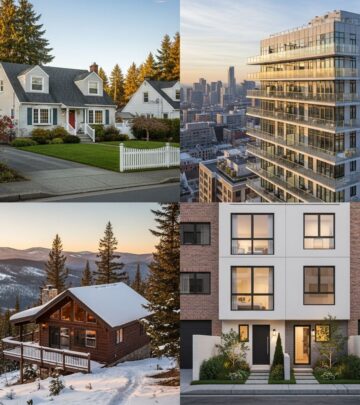
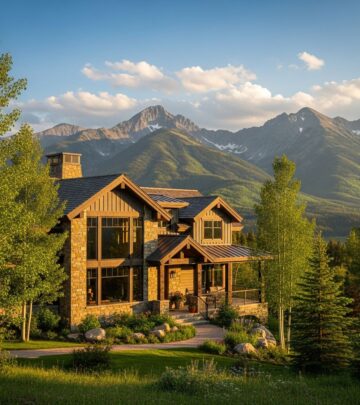
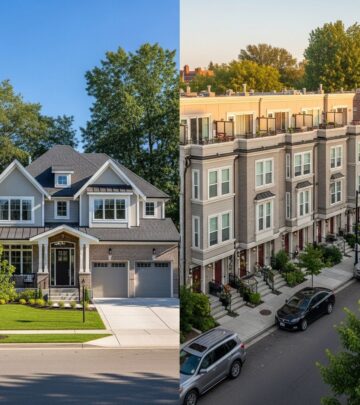
Home Types And Styles: 13 Key Options For Buyers
Discover diverse residential options from classic single-family homes to modern architectural wonders, helping you find the perfect fit for your lifestyle and budget.
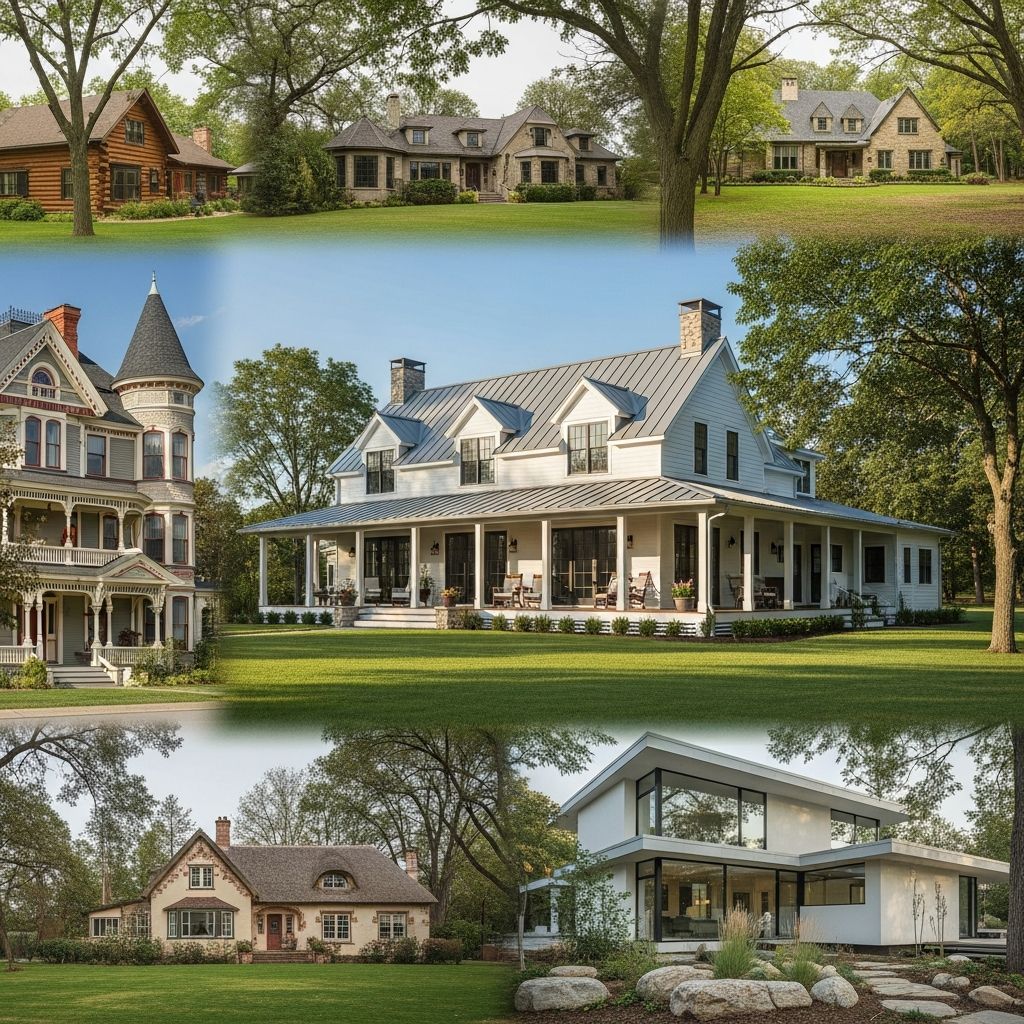
Choosing the right home involves understanding the variety of structures and designs available in today’s market. From standalone residences to multi-unit buildings and distinctive architectural forms, each option offers unique benefits tailored to different lifestyles, budgets, and locations. This guide delves into primary home categories by structure and popular styles, providing detailed descriptions, advantages, disadvantages, and considerations for buyers.
Primary Categories of Residential Structures
Homes are first classified by their physical construction and ownership model. These foundational types determine ownership responsibilities, financing options, and community living dynamics.
Standalone Single-Family Dwellings
The most traditional choice, single-family homes stand alone on their own lot, detached from neighboring properties. They provide complete privacy and control over the land, appealing to families seeking space and independence. According to a 2024 survey by the National Association of Home Builders, 66% of buyers prioritize these detached units for their versatility in customization and expansion. Sizes range widely, from modest bungalows to sprawling estates, often featuring yards for gardening or play areas.
- Pros: Full ownership of land, privacy, potential for additions like garages or pools.
- Cons: Higher maintenance costs for exterior and yard upkeep, larger upfront purchase price.
Attached Multi-Unit Homes: Townhouses
Townhouses, or row homes, consist of multi-story units sharing one or two walls with adjacent properties. They mimic single-family living with private entrances but save on land costs through shared walls. Ideal for urban settings, they often include small patios or shared green spaces managed by homeowners’ associations (HOAs).
- Key Features: Vertical layout maximizing space, garages or assigned parking, community amenities.
- Pros: Lower cost per square foot, reduced exterior maintenance via HOA.
- Cons: Less privacy due to shared walls, HOA fees and rules.
Condominiums and Cooperatives
Condos involve owning an individual unit within a larger complex, with shared ownership of common areas like pools or lobbies. Co-ops differ by requiring shares in a corporation that owns the building, subjecting buyers to board approval. Both suit those preferring low-maintenance living in dense areas.
| Type | Ownership | Maintenance | Best For |
|---|---|---|---|
| Condo | Unit + shared common areas | HOA handles exteriors | Urban professionals |
| Co-op | Shares in building corp | Strict board oversight | Stable communities |
Multi-Family Investments
Duplexes (two units), triplexes, and quadplexes allow owners to live in one unit while renting others. These are excellent for income generation but require landlord responsibilities. Larger apartment buildings fall under commercial financing, limiting residential mortgage use.
Architectural Styles That Define Character
Beyond structure, architectural styles add aesthetic appeal, functionality, and historical charm. These designs influence energy efficiency, climate adaptability, and resale value.
Ranch-Style Homes: Effortless Single-Level Living
Ranch homes emphasize horizontal sprawl with open floor plans, low-pitched roofs, and seamless indoor-outdoor flow via large windows and patios. Popular post-WWII, they come in variations like L-shaped California ranches or raised designs with basements. Their single-story layout aids accessibility for all ages.
- Signature Elements: Attached garages, picture windows, sliding glass doors to backyards.
- Pros: No stairs, expansive lots, modern updates easy.
- Cons: Larger footprints increase land costs, potential for dated interiors.
Craftsman Bungalows: Handcrafted Warmth
Craftsman homes celebrate artisanal quality with tapered porch columns, exposed beams, and built-in cabinetry. Low roofs and natural materials like wood siding evoke a cozy, non-mass-produced feel. Interiors boast inglenooks and mission-style fixtures.
These homes thrive in suburban neighborhoods, blending durability with charm.
Farmhouse Designs: Rustic Modern Appeal
Evoking rural simplicity, farmhouses feature gabled roofs, wraparound porches, and board-and-batten siding. Modern versions mix shiplap walls, black-framed windows, and open kitchens for contemporary comfort. Tall ceilings and central fireplaces enhance coziness.
- Highlights: Barn doors, distressed wood, neutral palettes.
- Pros: Timeless versatility, strong curb appeal.
- Cons: Drafty older models need insulation upgrades.
Cape Cod Cottages: Compact New England Charm
These symmetrical, steep-roofed homes with central chimneys and dormers originated in colonial times for weather resistance. Shingle or clapboard exteriors pair with cozy interiors, often expanded via attic conversions.
Split-Level Homes: Transitional Innovation
Developed in the mid-20th century, split-levels divide living spaces across short staircases, separating public areas from private bedrooms. They offer efficient use of sloped lots while maintaining ranch-like openness.
- Pros: Zoned privacy, good for families.
- Cons: Stairs challenge mobility-impaired residents.
Mediterranean Villas: Sun-Drenched Elegance
With stucco walls, clay tile roofs, and arched entries, these homes suit warm climates. Courtyards and fountains promote outdoor living.
Mid-Century Modern: Sleek Functionality
Characterized by clean lines, flat roofs, and expansive glass, this style prioritizes minimalism and integration with nature.
A-Frame Retreats and Tiny Homes: Minimalist Escapes
A-frames’ triangular profiles shed snow easily, often featuring lofts. Tiny homes (under 600 sq ft) promote downsizing, many on wheels for mobility.
Factors to Consider When Selecting a Home Type
Your choice hinges on lifestyle, location, and finances. Urban buyers favor townhomes or condos for proximity to amenities; suburban families opt for single-family ranches. Budget-wise, attached homes cost less but add fees. Climate dictates styles like steep roofs in snowy regions or open designs in mild areas. Resale potential favors timeless styles like Craftsman or farmhouse.
| Factor | Best Home Types | Why? |
|---|---|---|
| Location: Urban | Townhomes, Condos | Space efficiency, amenities |
| Family Size: Large | Single-Family, Farmhouse | Room to grow, yards |
| Budget: Low | Tiny Homes, Duplexes | Affordable entry, income potential |
| Mobility Needs | Ranch, Single-Story | No stairs |
Financing and Ownership Insights
Mortgage options vary: single-family homes qualify for conventional loans easily, while condos require HOA reviews. Multi-family units demand investment loans. Manufactured homes may use chattel loans if not permanently affixed. Always review property taxes, insurance, and HOA rules pre-purchase.
Frequently Asked Questions (FAQs)
What is the most popular home type in the U.S.?
Single-family detached homes top preferences, favored by 66% of buyers per recent surveys.
Are townhomes considered single-family?
Yes, as they function independently despite shared walls, unlike apartments.
What’s the difference between a condo and a townhome?
Condos own air space only; townhomes include land under the unit.
Do tiny homes require special financing?
Often, yes—personal loans or RV financing if mobile; site-built qualify for mortgages.
Which styles are best for hot climates?
Mediterranean or ranch with shaded patios and ventilation.
References
- 20 popular types of houses and home styles — Rocket Mortgage. 2024. https://www.rocketmortgage.com/learn/types-of-houses
- Home Styles: A Guide to the Different Types of Houses — PNC Bank. 2024. https://www.pnc.com/insights/personal-finance/borrow/types-of-houses.html
- Types of residence, types of residential houses — Homes Direct. 2024. https://www.thehomesdirect.com/blog/residential-types-types-of-residential-buildings
- 27 Types of Houses — Zillow. 2024. https://www.zillow.com/learn/types-of-houses/
- Our Guide to 15 Different Home Styles — Budget Dumpster. 2024. https://www.budgetdumpster.com/blog/popular-house-types
- Architectural Styles: Residential — National Association of Realtors. 2024. https://www.nar.realtor/magazine/tools/architectural-styles/residential
Similar Articles








Read full bio of Sneha Tete