Exploring Debit Card Varieties
Discover the diverse world of debit cards, from everyday standards to specialized options, and learn how each fits into modern spending habits.
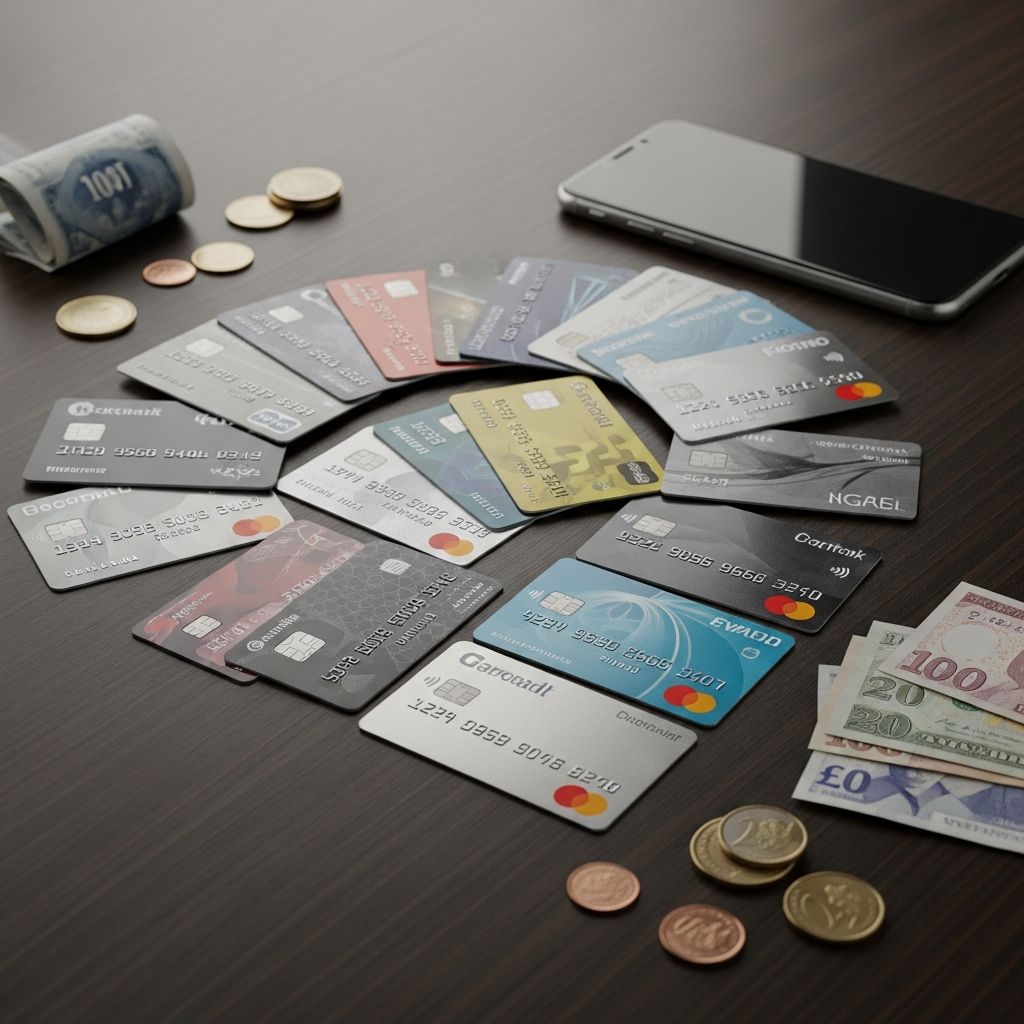
Debit cards have transformed the way individuals handle everyday transactions, offering convenience without the debt associated with credit options. Unlike credit cards that rely on borrowed funds, debit cards draw directly from linked accounts, promoting responsible spending. This article delves into the array of debit card types available today, highlighting their unique attributes, security measures, and practical applications to empower better financial decisions.
Understanding the Core Function of Debit Cards
At their essence, debit cards enable users to access funds from checking, savings, or prepaid accounts for purchases, ATM withdrawals, or online payments. They typically feature a plastic design with a magnetic stripe, embossed numbers, and increasingly, an EMV chip for enhanced protection against fraud. Major networks like Visa, Mastercard, and regional systems such as Interac or UnionPay underpin their global usability.
Transactions process through systems like online debit (requiring a PIN for real-time authorization), offline debit (signature-based), or electronic purse models that store value on the card itself. This versatility makes debit cards a staple in personal finance, with billions issued worldwide.
Standard Debit Cards: The Everyday Essential
The most common form, standard debit cards connect directly to a primary checking account. Users can swipe, insert, or tap at merchants, withdraw cash at ATMs, or pay online seamlessly. Acceptance is broad due to affiliations with networks like Visa Classic or Mastercard Standard, ensuring usability at millions of locations globally.
These cards often include tiered levels such as Classic, Gold, or Platinum, which may offer perks like higher limits or travel insurance, though primarily for debit functions. They suit individuals with established bank accounts seeking simplicity and immediacy in spending.
- Key perks: Wide acceptance, no interest charges, instant fund deduction.
- Limitations: Risk of overdraft fees if insufficient funds exist.
Prepaid Debit Cards: Controlled Spending Tools
Prepaid debit cards require upfront loading of funds, functioning without a traditional bank tie-in. Reloadable versions allow repeated top-ups via cash, direct deposit, or transfers, while non-reloadable ones serve as one-time gifts. They prove ideal for budgeting, gifting, or users without credit history.
Brands like Visa Prepaid or Mastercard Prepaid support subscriptions and international use, though some restrict foreign transactions. Fees for loading, inactivity, or declines vary by issuer, so comparison is key.
| Type | Reloadable? | Best For |
|---|---|---|
| Gift Prepaid | No | Gifting, one-off spending |
| Reloadable Prepaid | Yes | Budgeting, unbanked users |
ATM-Only Cards: Cash Access Simplified
Designed strictly for cash dispensing, ATM-only debit cards link to checking or savings accounts but prohibit purchases. They feature PIN protection and network logos like STAR or Pulse for surcharge-free access at partnered machines. This restriction minimizes theft risks during loss or compromise.
Common with certain savings accounts, they appeal to cash-preferring users or those avoiding purchase temptations. Availability has declined with multifunctional cards, but they remain relevant for basic needs.
Contactless and Tap-to-Pay Innovations
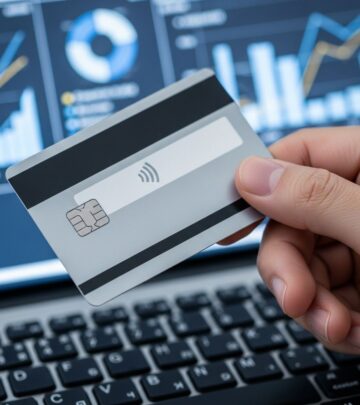
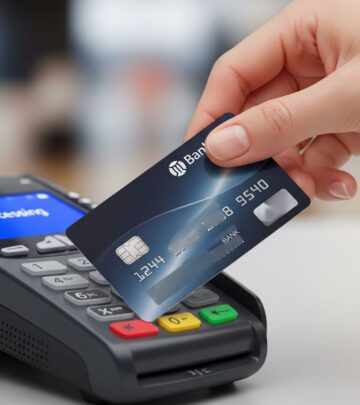
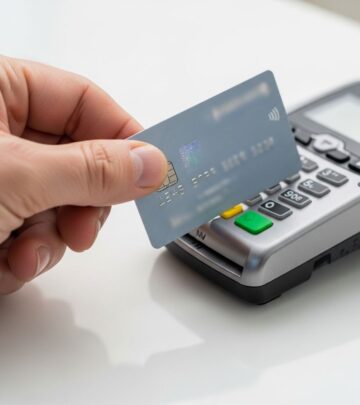
Contactless debit cards incorporate NFC technology, allowing quick taps on terminals without physical contact. Symbolized by four curved lines or a contactless icon, they expedite checkout while capping single transactions for security (often under $100). Most modern standard cards now include this feature alongside chips.
Benefits extend to hygiene, especially post-pandemic, and speed in high-traffic areas like transit or groceries. Networks like Visa payWave or Mastercard Contactless ensure interoperability.
Virtual Debit Cards: Digital-First Security
Non-physical virtual debit cards generate temporary numbers for app-based or online use, linked to physical accounts or wallets like Apple Pay or Google Pay. They shield actual details from merchants, reducing skimming risks.
Disposable variants auto-expire after use, ideal for one-time buys, while persistent ones suit recurring payments. Issuers often provide generation via mobile apps, enhancing control for tech-savvy users.
- Disposable: Single-use numbers.
- Persistent: Multi-use with controls.
Family and Shared Debit Solutions
Family debit cards enable parental oversight on child-linked sub-accounts. Features include real-time alerts, spending caps, chore-based allowances, and transaction blocking. Products like those from family-focused fintechs allow multiple cards under one dashboard.
They foster financial literacy by gamifying savings goals or categorizing spends, bridging generational money management.
EMV Chip-Enabled Debit Cards: Fraud Protection Standard
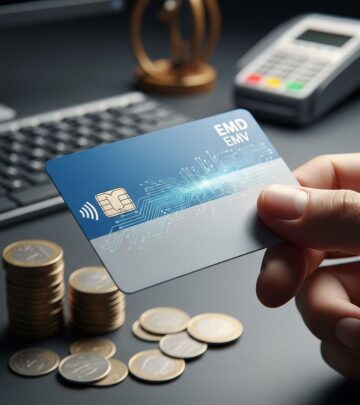
EMV (Europay, Mastercard, Visa) chips generate dynamic codes per transaction, thwarting counterfeit swipes unlike static magnetic stripes. Mandated in many regions since 2015, they significantly cut breach losses. Most new debit issuances include them, with fallback to signature or PIN.
Global adoption varies, but in the U.S., transition nears completion per Federal Reserve data.
Regional and Network-Specific Debit Options
Beyond universals, region-locked cards thrive: V Pay in Europe for chip-PIN security, Electron for global cash and e-commerce, or Interac in Canada. In Asia, UnionPay dominates with RuPay in India. These optimize for local merchants and currencies.
Business variants like Mastercard Purchasing offer expense tracking for firms.
Choosing the Right Debit Card for Your Lifestyle
Selection hinges on needs: standard for versatility, prepaid for limits, virtual for online safety. Evaluate fees, network reach, app integration, and extras like cashback. Banked users benefit from standards; others from prepaid starters.
Consider security: prioritize EMV and contactless. Test via low-stakes use before reliance.
Debit vs. Credit: Key Distinctions
Debit spends existing funds instantly, avoiding interest but lacking credit-building. Credit borrows, bills later with potential rewards but debt risk. Prepaid mirrors debit but pre-funded.
| Aspect | Debit | Credit |
|---|---|---|
| Funds Source | Your account | Borrowed |
| Payment Timing | Immediate | Monthly bill |
| Credit Impact | None | Builds history |
Security Best Practices Across All Types
Monitor statements, enable alerts, use strong PINs, and freeze cards post-loss. Virtual numbers and limits curb exposure. Report issues promptly to issuers for zero-liability protection.
Frequently Asked Questions (FAQs)
Can prepaid debit cards build credit?
No, they do not report to bureaus like traditional debit, as no credit extends.
Are contactless payments safe?
Yes, with transaction limits and tokenization, they match or exceed chip security.
What if my debit card is lost?
Contact issuer immediately; most offer $0 liability for unauthorized use if reported timely.
Do all debit cards work internationally?
Network-dependent; Visa/Mastercard widely, but check fees and restrictions.
How do I load a prepaid card?
Varies: retail cash, bank transfer, direct deposit—review issuer terms.
Emerging Trends in Debit Technology
Biometrics like fingerprints integrate into cards/apps for authentication. Wearables expand virtual access, while open banking links debit to broader ecosystems. Sustainability drives eco-friendly materials in new issuances.
Fintech innovations blend debit with investing or crypto, personalizing further.
References
- Debit Card — Wikipedia. 2023-10-01. https://en.wikipedia.org/wiki/Debit_card
- 7 Types of Debit Cards and How to Choose One — Greenlight Learning Center. 2024-05-15. https://greenlight.com/learning-center/glossary/types-of-debit-cards
- Using Debit Cards — Consumer Financial Protection Bureau (consumer.gov). 2023-11-20. https://consumer.gov/your-money/using-debit-cards
- Card Category Class: Visa, Mastercard and Amex Levels — BinDB. 2024-02-10. https://www.bindb.com/payment-card-levels
- Different Types of Debit Cards — Experian Blogs. 2023-08-05. https://www.experian.com/blogs/ask-experian/types-of-debit-cards/
Similar Articles








Read full bio of Sneha Tete