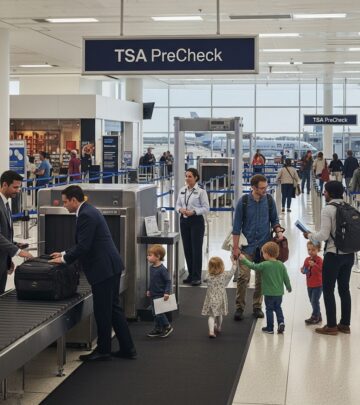
Expedited Travel Programs: Choosing Your Path
Navigate trusted traveler programs to streamline your airport experience

Air travel has become an integral part of modern life, but the process of getting through airport security and customs remains a common source of frustration for many travelers. To address this challenge, several trusted traveler programs have emerged, each designed to streamline different aspects of the airport experience. Whether you’re a frequent flyer managing constant security lines or an occasional international traveler dreading customs queues, understanding these programs can significantly enhance your travel experience.
The Foundation: Understanding Trusted Traveler Programs
Trusted traveler programs operate on a fundamental principle: travelers who have undergone background screening and vetting can move through airports more efficiently than the general population. These programs represent an investment in convenience, but they require careful consideration of your specific travel patterns to determine which option delivers the best return on that investment.
The primary trusted traveler initiatives available to U.S. travelers include programs focused on domestic security expediting, international customs acceleration, and expedited airport entry lines. Each serves a distinct purpose within the broader airport ecosystem, and some programs complement each other while others serve as alternatives.
Streamlining Domestic Travel: The Core Security Solution
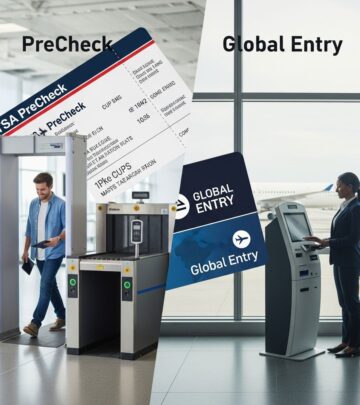
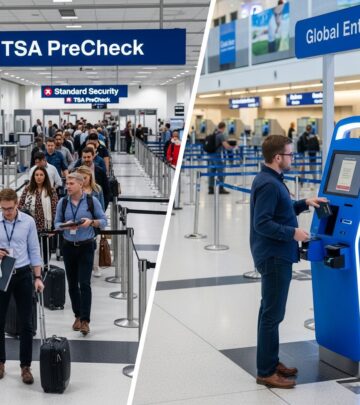
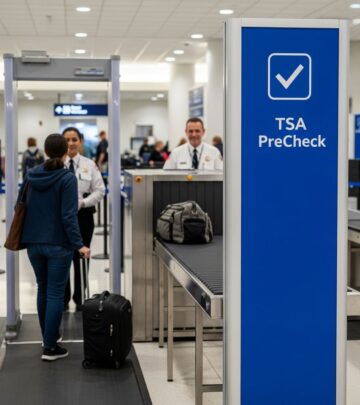
For travelers whose journeys remain primarily within U.S. borders, expedited security screening represents the most immediate and frequent benefit available. This program allows eligible passengers to access dedicated security lanes at participating airports, where they encounter shorter wait times and a more streamlined screening process.
The convenience features of this program include the ability to keep footwear, belts, and light outer layers in place during screening. Electronic devices and compliant liquids remain in carry-on luggage rather than requiring removal and separate inspection. This streamlined approach not only saves time but also reduces the physical hassle associated with standard security procedures.
Currently, this expedited security option operates at more than 200 airports across the United States and works with over 100 participating airlines. The membership cost ranges from $58.75 to $85 for a five-year term, with online renewal options available at reduced rates. The application process involves completing an online form and attending an in-person appointment at one of more than 1,000 enrollment centers nationwide.
Expanding Internationally: The Dual-Benefit Program
For those whose travel crosses international borders, a more comprehensive program combines domestic security benefits with expedited customs and immigration processing upon returning to the United States. This premium program effectively addresses two separate pain points: the security screening process before departure and the customs inspection process upon arrival.
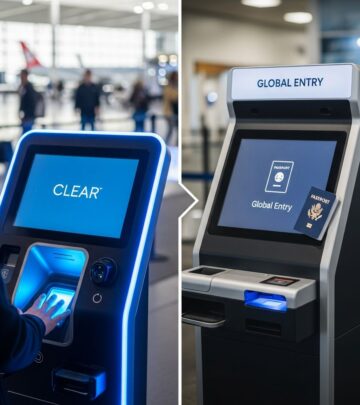
The customs benefit operates through automated kiosk technology, allowing international travelers to bypass traditional customs lines and complete their entry documentation independently. This functionality becomes particularly valuable during peak travel periods when customs lines can stretch for hours. The program includes all domestic security benefits at no additional cost, creating a layered advantage for those who travel across borders.
International program membership costs $120 for five years, representing a $35 premium compared to the domestic-only option. However, this higher cost must be evaluated against the frequency and convenience value of international travel. The application process for the international program includes more rigorous vetting, featuring an in-person interview at one of approximately 100 enrollment centers, plus background checks and fingerprinting requirements.
Eligibility for the international program extends to U.S. citizens, lawful permanent residents, and citizens of certain partner nations. The program also offers benefits for travelers under 18 who have a parent or guardian already enrolled.
Premium Express Entry: The Fastest Track
Beyond the traditional security and customs programs, a third option focuses specifically on accelerating entry into airports themselves. This membership service provides access to dedicated entry lanes at participating airports, effectively reducing time spent in the initial airport queue before reaching security screening.
While this program operates independently from the other options, it can be combined with existing memberships for maximum efficiency. The premium positioning reflects its focus on the very beginning of the airport journey, addressing the sometimes-lengthy lines that form at airport entrance points during busy travel periods.
Comparative Analysis: Making the Right Choice
| Feature | Domestic Security Program | International Program | Premium Entry Program |
|---|---|---|---|
| Primary Benefit | Expedited airport security screening | Security screening + customs expediting | Express airport entry |
| Cost (5 years) | $58.75 – $85 | $120 | Varies by provider |
| Enrollment Centers | 1,000+ | 100+ | Selective locations |
| Best For | Domestic-only travelers | International travelers | Frequent flyers seeking premium access |
| Application Complexity | Standard | Intensive (includes interview) | Standard |
Evaluating Your Travel Profile
Selecting the appropriate program begins with honestly assessing your travel patterns over the next several years. Several key questions can guide this evaluation:
- How frequently do you fly annually, and does this pattern likely continue?
- What percentage of your flights involve international destinations?
- Which airports do you use most regularly, and are they program participants?
- What is your tolerance for the application process and enrollment center visits?
- Are you willing to invest in convenience based on anticipated time savings?
Travelers whose flights remain exclusively domestic and average fewer than four annual trips may find the domestic security program sufficient. The lower cost and more accessible enrollment process make it an economical choice for occasional air travelers. The time savings accumulate across multiple trips, particularly for those flying during peak periods when security lines extend significantly.
Conversely, travelers who cross international borders at least once or twice annually typically find the international program represents better value despite its higher cost. When viewed as a five-year investment, the additional $35 investment becomes negligible when multiplied across even modest international travel frequency. A traveler making two international trips annually would save far more time and hassle through expedited customs processing than the premium cost suggests.
Credit Card Coverage and Program Stacking
Many premium travel credit cards offer reimbursement for membership fees in either the domestic security program or international program. This benefit effectively eliminates the cost barrier for cardholders, making the decision less about expense and more about determining which program better serves your travel needs. Some cards even provide reimbursement for multiple eligible programs, creating opportunities to combine memberships for maximum convenience.
When multiple programs layer together, the benefits multiply. For example, combining the domestic security program with the premium entry program creates express access from the moment you arrive at the airport through security screening. Adding the international program extends these advantages through customs processing for international flights.
The Enrollment Reality
While program benefits are appealing, the application process itself warrants consideration. The domestic security program offers relatively straightforward enrollment with more than 1,000 centers providing accessibility across most regions. The international program, while more rigorous, remains manageable with advanced scheduling at the 100+ enrollment facilities. The increased vetting reflects the higher level of access granted, including expedited re-entry pathways that handle international arrival processing.
Typical processing times vary, but most applicants receive approval within weeks of their enrollment interview. During the waiting period, applicants cannot utilize program benefits, so timing your enrollment around travel plans matters. Many travelers strategically apply during less-busy travel months to allow processing time before peak season.
Measuring Value and Return on Investment
The tangible value of these programs extends beyond simple time savings. Reduced stress from avoiding security lines translates into a calmer airport experience. The ability to maintain a normal appearance without removing clothing or emptying bags provides convenience that frequent travelers genuinely appreciate. For international travelers, bypassing customs lines eliminates one of travel’s most unpredictable variables—the length of the customs queue can range from 15 minutes to over an hour depending on arrival times and passenger volume.
Consider this practical calculation: if you fly eight times annually and save an average of 20 minutes per flight through expedited security, that’s over 2.5 hours reclaimed annually. For international travelers, customs expediting might save 30-45 minutes per return trip. Across a five-year membership period, these savings compound significantly.
Program Combinations and Optimization
Understanding how programs interact informs the most effective approach. The international program automatically includes domestic security benefits, eliminating the need to maintain separate memberships. This integration simplifies membership management for those qualifying for multiple programs.
However, some travelers benefit from combining programs that serve different functions. The premium entry program addresses a distinct phase of the airport journey compared to security or customs processing. A business traveler making frequent flights might invest in the international program for core benefits while adding premium entry access for maximum efficiency during peak business travel periods.
Frequently Asked Questions
Do I need both the domestic security program and the international program?
No. The international program includes all domestic security benefits, so a separate membership is unnecessary if you have the international option. If you have the international program, you automatically access expedited security lanes on domestic flights.
What happens if I don’t travel frequently enough to justify membership?
For occasional travelers, the cost-benefit analysis may not favor enrollment. However, if your credit card offers reimbursement, the decision shifts—you gain benefits without direct expense. Even infrequent travelers using reimbursed membership benefit from the convenience on each trip.
Can I combine multiple programs simultaneously?
Yes, programs can complement each other. You might hold domestic security membership while separately accessing premium entry at select airports. Some travelers combine multiple programs for comprehensive coverage across different airports and travel types.
How long does the application process take?
Processing typically requires 2-4 weeks from application completion to approval. The in-person interview at an enrollment center represents the critical appointment, after which background checks proceed. Plan accordingly if you need program benefits by a specific travel date.
Are these programs worth it for business travelers?
Business travelers frequently find exceptional value in these programs. Those making weekly or bi-weekly flights accumulate substantial time savings. Many business expense policies cover membership fees, effectively providing these programs at no personal cost.
Making Your Decision
Selecting among these expedited travel programs requires matching program features to your specific travel reality. Domestic-only travelers with moderate flight frequency benefit from the most economical option. International travelers, particularly those crossing borders multiple times annually, typically find the comprehensive program justified despite its premium cost. Those with premium credit card benefits should prioritize enrollment regardless of flight frequency, since the cost barrier disappears.
The most important step is honestly assessing your travel patterns and priorities. If airport stress triggers genuine anxiety, the convenience benefits might justify enrollment even for infrequent travelers. If you view airports as merely functional transit points and travel rarely, the programs may hold limited appeal. Most travelers fall somewhere between these extremes, making a straightforward calculation of annual flights and anticipated time savings the best decision framework.
By understanding these programs’ distinct purposes, costs, and benefits, you can select the option that genuinely enhances your travel experience without overspending on conveniences you won’t fully utilize.
References
- TSA PreCheck vs. Global Entry: What’s Right for You? — Chase Bank. Accessed March 2026. https://www.chase.com/personal/credit-cards/education/basics/tsa-precheck-vs-global-entry
- TSA PreCheck vs. Global Entry: Which Is Better? — NerdWallet. Accessed March 2026. https://www.nerdwallet.com/travel/learn/tsa-precheck-global-entry-explained
- TSA PreCheck vs. Global Entry: What’s the Difference? — Experian. Accessed March 2026. https://www.experian.com/blogs/ask-experian/what-is-the-difference-between-tsa-precheck-and-global-entry/
Similar Articles








Read full bio of Sneha Tete