Expansionary Policy: Definition, Types, and Economic Impact
Understanding expansionary policy: Tools, mechanisms, and effects on economic growth and inflation.

Expansionary policy represents a macroeconomic strategy deployed by governments and central banks to stimulate economic growth and promote employment during periods of economic weakness. This policy framework operates on the principle of increasing the money supply and liquidity within an economy, thereby encouraging businesses and consumers to spend more, invest more, and ultimately drive economic expansion. When an economy faces recession or sluggish growth, policymakers implement expansionary measures to counteract these negative trends and restore momentum to economic activity.
The fundamental objective of expansionary policy is to spur economic growth through enhanced liquidity. When more money circulates through the economy, corporations and individuals have greater capacity to capitalize on readily available funds by undertaking investments, expanding operations, and increasing consumption levels. This increased spending creates a multiplier effect that ripples through the economy, generating broader economic benefits.
Understanding the Two Main Types of Expansionary Policy
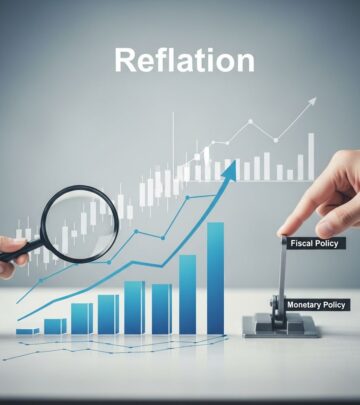
Expansionary policy manifests in two primary forms: monetary policy and fiscal policy. Each approach operates through different mechanisms and institutions, yet both aim to achieve the same fundamental goal of economic stimulation.
Monetary Policy Approach
Monetary policy represents the primary tool wielded by central banks to implement expansionary measures. Central banks employ several mechanisms to increase liquidity and stimulate economic activity:
Lowering Interest Rates: Central banks reduce lending rates charged to commercial banks, making borrowing cheaper and more attractive. When borrowing costs decline, commercial banks and their clients increase demand for funds. Lower interest rates discourage savings while simultaneously encouraging consumption and investment, creating powerful incentives for economic growth.
Reducing Reserve Requirements: Commercial banks must typically maintain a certain percentage of customer deposits as reserves. By lowering these reserve requirements, central banks free up additional capital that banks can lend to businesses and consumers. This expanded lending capacity directly increases the money supply available in the economy.
Open Market Operations: Central banks conduct open market operations by purchasing securities, particularly government bonds, in financial markets. These purchases inject fresh funds directly into the economy, increasing overall liquidity and lowering interest rates across various financial instruments.
Fiscal Policy Approach
Fiscal policy operates through direct government action rather than central bank intervention. Governments implement expansionary fiscal measures through several channels:
Increased Government Spending: Governments boost spending on infrastructure projects, public works, and services. This direct spending injects money into the economy and creates employment opportunities across multiple sectors.
Tax Reductions and Rebates: By cutting taxes or issuing rebates, governments increase disposable income for individuals and reduce tax burdens on businesses. This approach encourages consumer spending and business investment by leaving more money in private hands.
Transfer Payments: Governments implement programs such as unemployment benefits, welfare payments, and subsidies that place funds directly into the hands of individuals and organizations, supporting consumption during economic downturns.
The Transmission Mechanism: How Expansionary Policy Works
Expansionary policy creates a cascading effect throughout the economy. When central banks lower interest rates, borrowing becomes more affordable. Lower interest rates decrease the cost of borrowing money, which encourages consumers to increase spending on goods and services while prompting businesses to invest in new equipment and expansion. This increased consumption and investment spending raises overall demand for goods and services in the economy.
As demand increases, businesses must expand production to meet this growing need. To accomplish this expansion, companies hire additional employees and purchase more resources and materials. As these increases in spending ripple through the economy, unemployment decreases and wages often rise, moving the economy toward maximum employment.
The resulting economic activity generates what economists call a virtuous cycle. Greater employment leads to higher incomes, which fuel additional consumer spending. Businesses experience increased revenue and profitability, encouraging further investment and hiring. This self-reinforcing cycle continues expanding until economic equilibrium is restored.
Economic Benefits of Expansionary Policy
Expansionary policies generate several positive economic outcomes when implemented effectively:
Increased Employment: As businesses expand operations in response to greater demand, they require more workers. Unemployment rates decline as job opportunities increase, benefiting millions of workers and their families. The greater need for human capital leads to lower unemployment and rising wage pressures.
Rising Consumer Confidence: With jobs more readily available and incomes increasing, consumers gain confidence in their financial futures. This confidence translates into greater willingness to make major purchases and long-term investments, further stimulating economic activity.
Business Expansion: Companies benefit from lower borrowing costs and increased consumer demand, making expansion more attractive and affordable. Businesses invest in new equipment, facilities, and technology, enhancing productive capacity and competitiveness.
Reduced Poverty and Inequality: In periods of strong economic growth driven by expansionary policy, employment opportunities extend to lower-income workers and disadvantaged populations. Rising employment particularly benefits those who face the greatest difficulty finding jobs during weak economic periods.
Critical Risks and Drawbacks of Expansionary Policy
While expansionary policy offers significant benefits, it carries substantial risks that policymakers must carefully manage.
Inflation Risk
The most prominent risk associated with expansionary policy is the danger of excessive inflation. Over time, the increased money supply and abundance of funds cause the value of currency to decline while inflation increases. Inflation occurs because more money chases the same quantity of goods, pushing prices higher.
Central banks maintain target inflation levels considered ideal for steady growth. The Federal Open Market Committee (FOMC) targets inflation of approximately 2 percent for the U.S. economy. If inflation spirals beyond these target levels without intervention, the economy can enter a state of hyperinflation, which devastates economic activity. During periods of high inflation, prices increase faster than wages, causing real wages and living standards to fall. High inflation also erodes the real interest earned on savings, and currency depreciates rapidly.
Countries experiencing uncontrolled inflation, such as Venezuela, South Sudan, and Congo, face severe economic depressions with accompanying social hardship and political instability.
Debt Accumulation Risk
When funds become readily available through expansionary policy, corporations and individuals often take on excessive debt to capitalize on lower borrowing rates. High levels of debt prove unsustainable over extended periods and can produce damaging economic consequences if not managed carefully. When borrowing costs eventually rise or economic conditions deteriorate, heavily indebted entities struggle to service their obligations, potentially triggering defaults and financial crises.
Asset Bubble Formation
Expansionary policy can contribute to the formation of asset bubbles in real estate, stock markets, and other investment categories. Abundant liquidity and low interest rates encourage investors to take on greater risk seeking returns, pushing asset prices to unsustainable levels disconnected from fundamental economic values.
The Relationship Between Inflation and Interest Rates
Inflation and interest rates move in the same direction, reflecting fundamental economic relationships. Expected and actual inflation rates guide central banks in determining whether to increase or decrease interest rates. Low inflation rates signal to central banks that rate cuts are appropriate to stimulate economic activity. Conversely, high inflation rates indicate that rate increases are necessary to cool demand and restore price stability.
Some central banks have experimented with negative interest rate policies, implementing rates below zero to discourage savings and stimulate consumer spending. Such low or negative rates aim to increase inflation by promoting spending while reducing incentives for saving. This unconventional approach reflects the determination of policymakers to combat deflationary pressures and restore economic growth when traditional tools prove insufficient.
Balancing Expansionary and Contractionary Policies
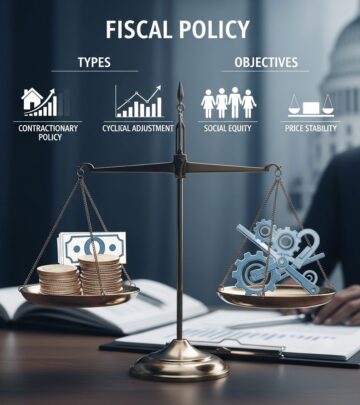
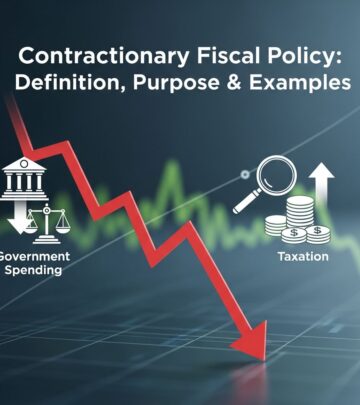
Effective economic management requires balancing expansionary and contractionary measures. Expansionary policies stimulate growth during weak periods, while contractionary policies cool the economy when inflation threatens. Central banks continuously assess economic conditions, adjusting policy accordingly to maintain price stability while supporting maximum employment.
When the economy strengthens and inflation exceeds target levels, the Federal Reserve may employ contractionary monetary policy. This involves raising the federal funds rate target, which increases the cost of borrowing money and discourages consumer spending and business investment. The resulting decrease in demand leads businesses to reduce production and hiring, gradually bringing inflation back toward acceptable levels.
Real-World Applications and Lessons
Central banks worldwide have implemented expansionary policies during major economic crises. Following the 2008 financial crisis, central banks including the Federal Reserve deployed unprecedented expansionary measures, including near-zero interest rates and large-scale asset purchases. These policies successfully prevented economic collapse and supported recovery, though they also contributed to subsequent asset price inflation and inequality concerns.
The COVID-19 pandemic prompted another round of aggressive expansionary policy as economies contracted sharply. Governments increased spending dramatically while central banks cut rates and expanded money supplies. These measures prevented economic catastrophe but subsequently contributed to inflation reaching four-decade highs in many developed economies, illustrating the ongoing challenge of calibrating policy responses appropriately.
Frequently Asked Questions
Q: What is the primary goal of expansionary policy?
A: The primary goal of expansionary policy is to stimulate economic growth and increase employment during periods of economic weakness or recession. Policymakers aim to expand the money supply, reduce interest rates, and encourage consumer spending and investment to restore economic momentum.
Q: How does expansionary monetary policy differ from expansionary fiscal policy?
A: Expansionary monetary policy is implemented by central banks through tools like lowering interest rates and reducing reserve requirements. Expansionary fiscal policy is enacted by governments through increased spending, tax cuts, and transfer payments. Both aim to stimulate growth but operate through different institutions and mechanisms.
Q: What is the primary risk of expansionary policy?
A: The primary risk is excessive inflation. If the money supply grows too rapidly relative to economic output, inflation can spiral out of control, eroding purchasing power and destabilizing the economy. Central banks must carefully calibrate expansionary measures to avoid triggering hyperinflation.
Q: How does lower interest rates stimulate economic growth?
A: Lower interest rates reduce borrowing costs, making loans more affordable for both consumers and businesses. This encourages spending on goods and services and investment in equipment and expansion, increasing overall demand and economic activity.
Q: Can expansionary policy lead to unsustainable debt levels?
A: Yes, when funds are readily available through expansionary policy, corporations and individuals often accumulate excessive debt. High debt levels become problematic when interest rates rise or economic conditions weaken, potentially triggering financial crises if not managed carefully.
Q: What target inflation rate does the Federal Reserve maintain?
A: The Federal Open Market Committee (FOMC) targets an inflation rate of approximately 2 percent, considered ideal for steady economic growth. This target balances the goals of maintaining price stability and supporting maximum employment.
Q: How do central banks conduct open market operations?
A: Central banks purchase securities, particularly government bonds, in financial markets. These purchases inject fresh funds into the economy, increasing liquidity and lowering interest rates across various financial instruments.
Q: What is the relationship between inflation and interest rates?
A: Inflation and interest rates move in the same direction. Low inflation signals that interest rate cuts are appropriate, while high inflation indicates that rate increases are necessary. Central banks use this relationship to guide policy decisions.
References
- Expansionary Policy – Definition, Types, Pros and Cons — Corporate Finance Institute. 2024. https://corporatefinanceinstitute.com/resources/economics/expansionary-policy/
- Expansionary Policy — Fiveable. 2024. https://fiveable.me/key-terms/principles-macroeconomics/expansionary-policy
- Expansionary and Contractionary Monetary Policy — Federal Reserve Bank of St. Louis. 2024. https://www.stlouisfed.org/in-plain-english/expansionary-and-contractionary-policy
- Monetary Policy Framework — Board of Governors of the Federal Reserve System. 2025. https://www.federalreserve.gov/monetarypolicy.htm
- Understanding Federal Reserve Operations — Federal Reserve Bank of New York. 2024. https://www.newyorkfed.org/medialibrary/media/open-market-operations
Similar Articles








Read full bio of medha deb