Exercising in a Winter Wonderland: How to Be Fit and Frugal
Stay fit this winter without breaking the bank—discover frugal outdoor and indoor exercises to beat the cold and keep your health on track.
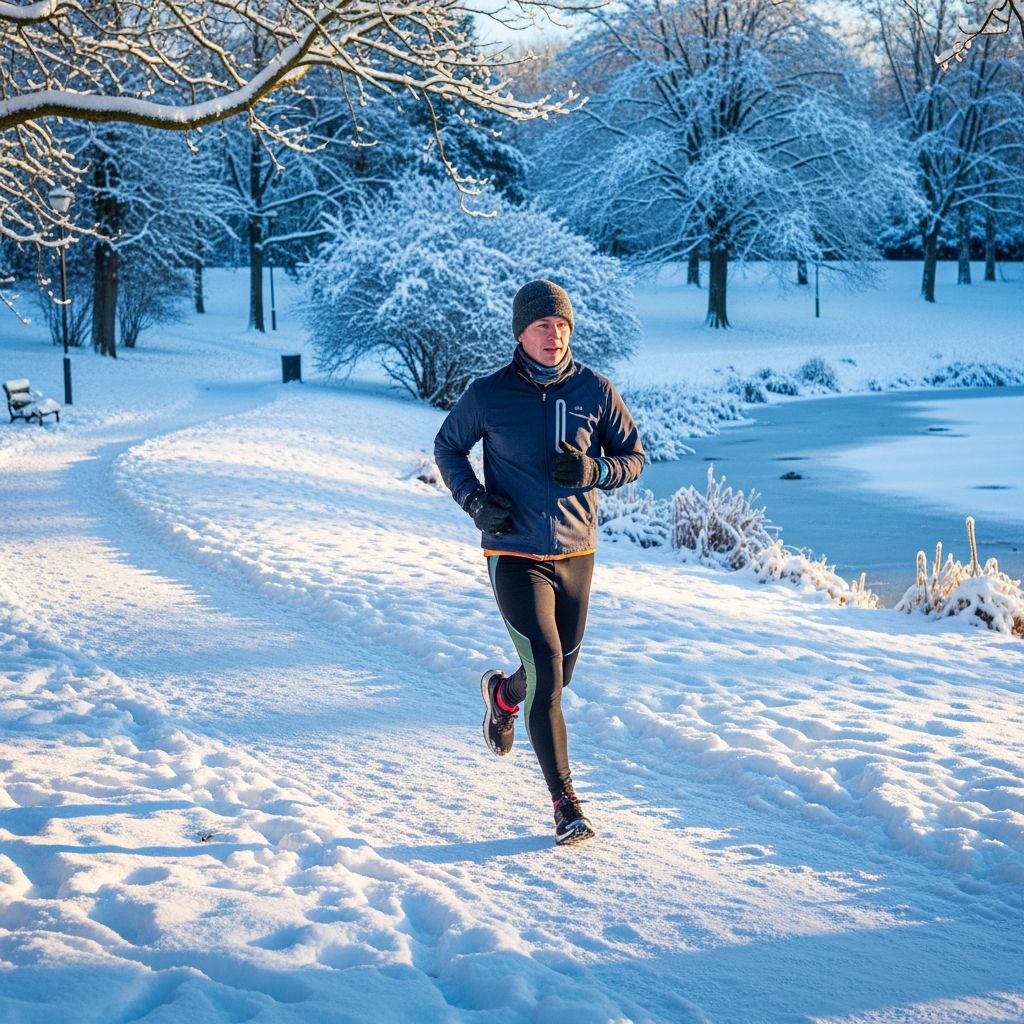
Winter brings shorter days, colder temperatures, and often a temptation to hibernate indoors, making it challenging to maintain fitness routines. Gym memberships can cost hundreds annually, but you don’t need expensive equipment or facilities to stay active. This guide explores cost-effective ways to exercise in winter, leveraging the season’s unique opportunities like snow and ice for fun, effective workouts while keeping your wallet intact. By turning your backyard into a winter gym, you’ll build strength, improve cardiovascular health, and enjoy the beauty of the season—all for free or minimal cost.
The key to frugal winter fitness is creativity and consistency. Outdoor activities harness natural elements for resistance training, while indoor options require little to no gear. Health organizations emphasize that regular physical activity reduces risks of seasonal depression, weight gain, and chronic conditions, even in cold months. Let’s dive into practical strategies covering preparation, outdoor adventures, and home-based routines.
Get Your Gear Together
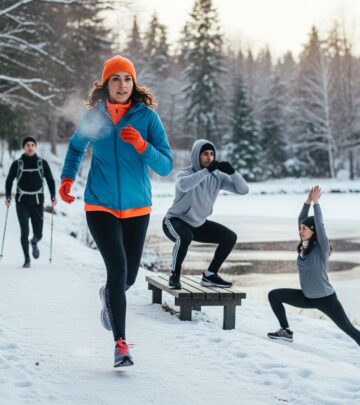
Before venturing out, proper attire prevents injuries and discomfort, ensuring workouts are sustainable. Layer clothing to trap heat: start with moisture-wicking base layers like thermal underwear, add insulating fleece mid-layers, and top with waterproof shells. Wool socks and insulated boots provide foot protection against snow and slush.
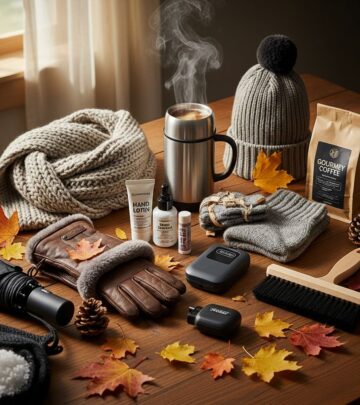
Essential accessories include gloves or mittens for hand warmth, a hat or balaclava to cover ears and neck, and sunglasses or goggles for glare off snow. A scarf or neck gaiter blocks wind chill. For safety, reflective gear or lights are crucial if exercising in low light. These items are often already in your closet or available secondhand, minimizing costs.
- Base layer: Synthetic or merino wool to wick sweat away from skin.
- Mid layer: Fleece or wool sweater for insulation.
- Outer layer: Windproof, waterproof jacket and pants.
- Footwear: Waterproof boots with good traction.
- Accessories: Gloves, hat, scarf, sunglasses.
Invest in quality once—items like Gore-Tex jackets last years. Check thrift stores or sales for deals. Proper gear makes cold-weather exercise enjoyable, encouraging regularity.
Shovel Snow
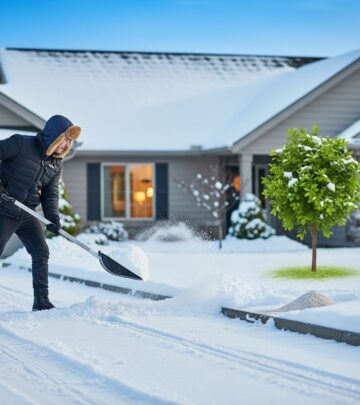
Snow shoveling is an underrated full-body workout, burning 400-600 calories per hour depending on intensity and snow type, comparable to brisk walking or light jogging. It engages the legs, core, back, and arms, building functional strength for daily tasks.
Use ergonomic shovels with long handles to reduce back strain. Technique matters: bend at knees, keep load close to body, and alternate sides. Warm up first with arm circles and leg swings to prevent pulls. Turn shoveling into intervals—30 seconds hard effort, 30 seconds rest—for HIIT benefits.
In snowy regions, this chore becomes free cardio. Studies show such activities improve heart health and mood via endorphin release. Stay hydrated and take breaks if temperatures drop below freezing.
Build a Snowman
Channel childhood fun into fitness by building snowmen or forts. Packing snow requires squatting, lifting, and rolling heavy balls, mimicking squats, deadlifts, and pushes. A single session can torch 300+ calories while providing low-impact resistance training.
Involve family for social bonding, which boosts adherence to exercise. Vary intensity by constructing larger structures or multiple figures. This playful approach combats winter blues, as laughter enhances mental health benefits.
Go Sledding
Sledding delivers high-intensity bursts: hiking uphill builds legs and cardio, while sliding down adds thrill. One hour equals 500-700 calories burned, targeting quads, glutes, hamstrings, and core stabilizers.
Scout gentle hills to minimize injury risk; wear helmets. Free if you own a sled, or borrow from neighbors. It’s accessible for all ages, promoting inclusivity in family fitness.
Ice Skating
Rinks or frozen ponds offer gliding cardio, improving balance and burning 400-600 calories hourly. It strengthens ankles, knees, and hips while being joint-friendly. Public rinks often charge nominal fees ($5-10), far below gym costs.
Practice edges and crossovers for progression. Indoor rinks provide winter-long access unaffected by weather.
Cross-Country Skiing
This low-impact sport excels for endurance, burning 500-800 calories per hour. Poling works upper body; gliding engages legs. Trails are often free in parks; rentals cost little for occasional use.
Groomed paths suit beginners. It enhances VO2 max, per sports science research, rivaling running without pavement stress.
Downhill Skiing or Snowboarding
For adventure seekers, these provide explosive power training. Lift tickets vary, but multi-day passes save money. They build legs, core, and agility; burns 400-700 calories/hour.
Opt for season pass if frequent; carpool to cut costs. Balance with rest days to avoid overuse injuries.
Winter Hiking
Snow-covered trails add resistance, turning walks into hikes burning 500+ calories/hour. Poles aid stability and upper-body work. Free in state parks; microspikes ($20) enhance grip on ice.
Layer for variable conditions; apps track routes. Builds mental resilience alongside physical.
Snowshoeing
Snowshoes distribute weight for deep snow trekking, burning 600-1000 calories/hour. Rentals are affordable; engage full body like cross-country skiing.
Group outings foster community. Excellent for weight-bearing bone health.
Walking
Brisk winter walks burn 300-500 calories/hour, accessible anywhere. Mall walking offers shelter; aim for 10,000 steps daily.
Dress warmly; interval pace boosts intensity. Cheapest exercise with proven heart benefits.
Running
Cold air invigorates runs, burning 600-1000 calories/hour. Yaktrax traction devices ($20) prevent slips. Shorter days mean headlamps.
Improves immunity if not overdone. Track progress with free apps.
Indoor Exercise Videos
YouTube and DVDs offer free guided workouts—no equipment needed. Channels like Fitness Blender provide HIIT, yoga, strength sessions burning 300-600 calories.
Schedule like gym time for consistency. Variety prevents boredom.
Stair Climbing
Urban apartments or public buildings have stairs for leg power. 30 minutes equals 400 calories; interval climbs intensify.
Free, builds explosive strength.
Frequently Asked Questions (FAQs)
Q: How can I stay motivated in winter?
A: Set goals, track progress, partner up, and mix activities for fun.
Q: Is outdoor exercise safe in extreme cold?
A: Limit exposure below 0°F; watch for frostbite, dress in layers.
Q: What’s the best calorie burner?
A: Snowshoeing or skiing tops lists at 600-1000 calories/hour.
Q: Do I need special equipment?
A: Basics like layers suffice; borrow/rent for specialized gear.
Q: How often should I exercise?
A: 150 minutes moderate or 75 vigorous weekly, per guidelines.
Embracing winter’s wonderland transforms fitness into adventure. These methods ensure you stay fit, save money, and enjoy the season. Consistency yields results—start small, build habits.
References
- Physical Activity Guidelines for Americans — U.S. Department of Health and Human Services. 2018-10-08. https://health.gov/sites/default/files/2019-09/Physical_Activity_Guidelines_2nd_edition.pdf
- Winter Exercise Safety — Centers for Disease Control and Prevention (CDC). 2024-12-01. https://www.cdc.gov/healthywinter/exercise-safety.html
- Caloric Expenditure During Snow Shoveling — American Council on Exercise. 2023-02-15. https://www.acefitness.org/resources/everyone/blog/2023-02-15/calories-burned-snow-shoveling/
- Cross-Country Skiing Health Benefits — Mayo Clinic. 2025-01-10. https://www.mayoclinic.org/healthy-lifestyle/fitness/in-depth/cross-country-skiing/art-20045101
- Layering for Cold Weather Exercise — American College of Sports Medicine. 2024-11-20. https://www.acsm.org/news-detail/2024/11/20/layering-for-cold-exercise
Similar Articles








Read full bio of Sneha Tete