Excise Tax: Definition, Types, and Impact
Understanding excise taxes: How they work, who pays them, and their economic impact.
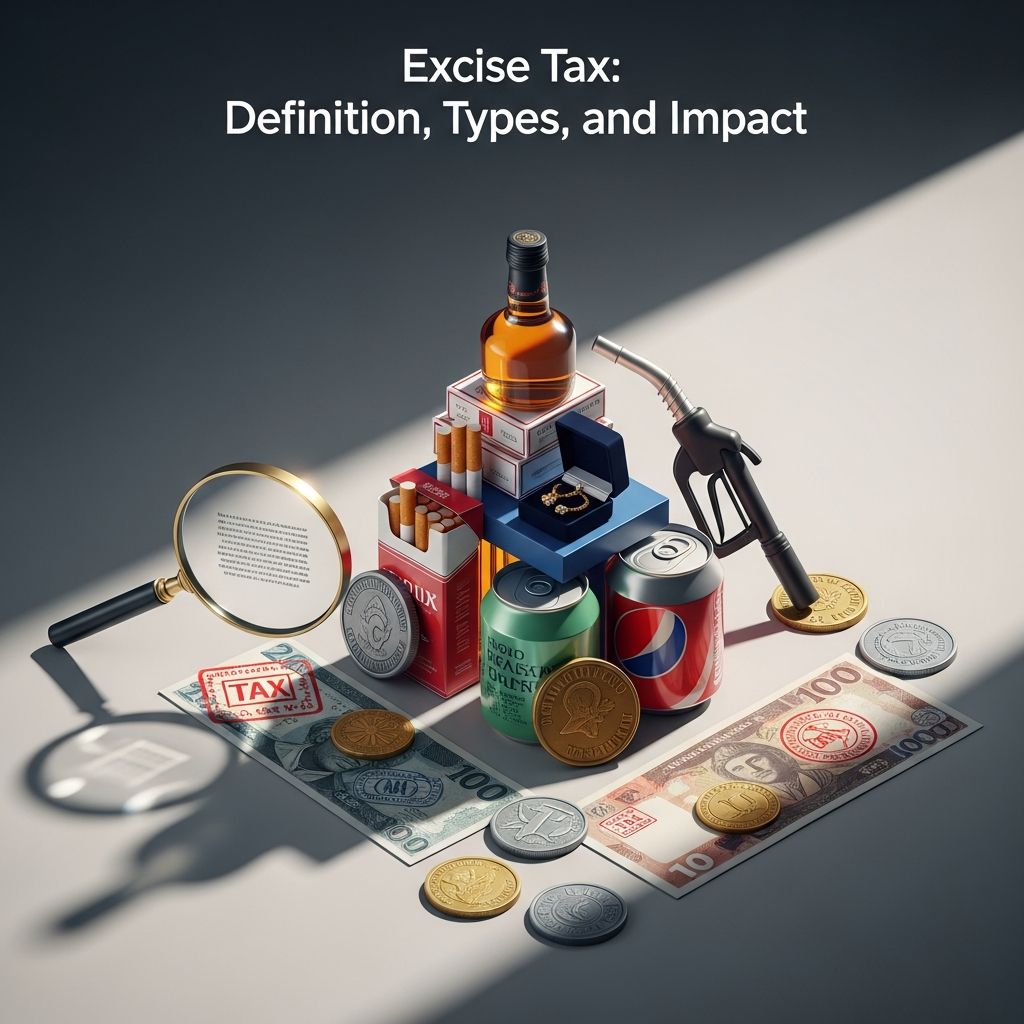
Understanding Excise Tax: A Comprehensive Guide
An excise tax is a form of indirect taxation imposed by federal, state, and local governments on the sale of specific goods, services, and activities. Unlike income taxes that are based on earning capacity, excise taxes target particular products and behaviors deemed harmful or requiring specific funding for related infrastructure and services. These taxes are typically embedded in the price of products, meaning consumers often pay them without directly seeing them itemized on receipts.
The primary purpose of excise taxation is twofold: to generate revenue for government programs and to discourage consumption of certain goods or services through price mechanisms. Federal excise taxes are particularly common on products like fuel, tobacco, alcohol, airline tickets, and heavy vehicles. Understanding how excise taxes work is essential for businesses that sell taxable goods and for consumers looking to understand the true cost of their purchases.
What Is an Excise Tax?
An excise tax is an indirect tax levied on the production, sale, or consumption of specific commodities. The key distinction between excise taxes and other forms of taxation lies in their selectivity—they target particular items rather than broad categories of income or purchases. The term “indirect” refers to the fact that the tax is typically collected by businesses and intermediaries rather than directly from the end consumer.
Excise taxes function differently from sales taxes in that they are usually imposed at the manufacturer or wholesale level rather than at retail checkout. This structure allows governments to control where revenue is collected in the supply chain. The tax amounts can be substantial, significantly affecting product prices and consumer purchasing decisions.
Types of Excise Taxes
Excise taxes come in various forms, each targeting different products and industries:
Fuel and Energy Taxes
Federal excise taxes on gasoline, diesel, and other fuels are among the most recognizable forms of excise taxation. These taxes fund highway construction and maintenance through the Highway Trust Fund. Fuel excise taxes vary by state, with some states imposing significantly higher rates than others.
Alcohol and Tobacco Taxes
Excise taxes on beer, wine, spirits, and tobacco products are implemented to discourage consumption of potentially harmful substances while generating substantial government revenue. These “sin taxes” have increased over decades as states and the federal government seek both health outcomes and fiscal benefits.
Transportation and Vehicle Taxes
Excise taxes apply to airline tickets, heavy trucks, and highway tractors. The airline ticket tax, for instance, helps fund the Federal Aviation Administration and airport infrastructure improvements. Heavy vehicle taxes are designed to recover costs associated with road wear and maintenance caused by large commercial vehicles.
Consumer Product Taxes
Indoor tanning services, firearms and ammunition, fishing equipment, and certain luxury goods are subject to federal excise taxes. These taxes often reflect policy decisions about public health or environmental concerns.
Environmental and Health-Related Taxes
Some excise taxes target products with environmental or health implications, such as chlorofluorocarbon-containing products or certain chemical compounds that deplete the ozone layer.
How Excise Taxes Are Collected
The collection mechanism for excise taxes varies depending on the product and industry. Excise taxes can be collected at multiple points in the supply chain, including during import, at the time of manufacturer sale, during retailer sale, or through consumer use.
Businesses responsible for collecting excise taxes must maintain detailed records and file regular tax returns with the Internal Revenue Service. The most common form used for federal excise tax reporting is Form 720, Quarterly Federal Excise Tax Return. Some excise taxes are collected by third parties—for example, airlines collect federal excise taxes on ticket purchases from consumers and remit those funds to the IRS.
When excise taxes are collected depends on the specific tax. Many manufacturers pay excise taxes before goods reach retailers, meaning the tax is built into wholesale prices. Other taxes, such as those on airline tickets or rental vehicles, are collected directly from consumers at the point of transaction, though consumers may not realize they are paying excise tax specifically.
Excise Tax Rates and Examples
Excise tax rates vary significantly depending on the product category and are often adjusted by Congress to reflect policy objectives or fiscal needs. The following table provides examples of typical federal excise tax rates:
| Product Category | Excise Tax Rate | Primary Use of Revenue |
|---|---|---|
| Gasoline | 18.4 cents per gallon | Highway maintenance and infrastructure |
| Diesel | 24.4 cents per gallon | Highway maintenance and infrastructure |
| Cigarettes | $1.01 per pack (federal) | General revenue and health programs |
| Beer | $11.00 per barrel | General revenue |
| Airline Tickets | 7.5% of ticket price | FAA operations and airport improvements |
| Firearms | 11% of manufacturer’s price | Wildlife restoration and conservation |
Purpose and Impact of Excise Taxes
Excise taxes serve multiple governmental purposes. Revenue from excise taxes funds specific programs and infrastructure projects. For example, federal fuel taxes directly support highway construction and maintenance through the Highway Trust Fund. Similarly, excise taxes on firearms and ammunition support wildlife conservation programs through the Pittman-Robertson Wildlife Restoration Act.
Beyond revenue generation, excise taxes function as behavioral modification tools. By increasing the price of certain products, excise taxes can reduce consumption. This is particularly evident with tobacco and alcohol taxes, which have been shown to decrease consumption rates, especially among price-sensitive populations such as young people and lower-income individuals.
The economic impact of excise taxes extends beyond individual consumers. Businesses in heavily taxed industries must account for these taxes in their pricing strategies and financial planning. Manufacturers may face reduced demand due to higher prices, while retailers must invest in compliance systems and training to properly collect and remit excise taxes.
Filing and Compliance Requirements
Businesses subject to excise tax obligations must comply with specific filing and reporting requirements. The IRS requires most businesses to file Form 720, Quarterly Federal Excise Tax Return, for each quarter of the calendar year. The filing deadlines are as follows:
- Quarter 1 (January-March): Due April 30
- Quarter 2 (April-June): Due July 31
- Quarter 3 (July-September): Due October 31
- Quarter 4 (October-December): Due January 31
The IRS encourages electronic filing of excise tax forms through approved e-file transmitters. Electronic filing offers several advantages, including immediate confirmation of receipt, reduced processing time, and fewer errors compared to paper filing. Businesses can submit forms online 24 hours a day, though providers typically charge fees for this service.
Proper record-keeping is essential for compliance. Businesses must maintain detailed documentation of all taxable sales, tax collected, and payments made to the IRS. These records must be available for IRS audits and should be retained for at least three to seven years, depending on the specific circumstances.
Exemptions and Special Provisions
Certain transactions and entities may be exempt from excise tax obligations. Export sales are often exempt from U.S. excise taxes, reflecting the principle that domestic taxes should not apply to goods destined for foreign markets. Additionally, certain nonprofit organizations and government entities may qualify for exemptions on specific purchases.
Congress occasionally provides temporary exemptions or reduced rates for particular industries or products, particularly during economic downturns or to support specific policy objectives. These changes require careful attention from affected businesses, as rates and regulations can shift relatively frequently compared to other tax provisions.
State and Local Excise Taxes
Beyond federal excise taxes, most states impose their own excise taxes on many of the same products, often at higher rates. State gasoline taxes, for example, vary significantly from state to state. Combined federal and state excise taxes on fuel can account for a substantial portion of the price consumers pay at the pump. State and local excise taxes follow similar collection and filing procedures to federal taxes but typically use different forms and have different due dates.
Frequently Asked Questions
What is the difference between excise tax and sales tax?
Sales tax applies to the retail sale of most goods and services and is a general tax on consumption. Excise tax targets specific products deemed harmful or requiring special revenue dedication, typically collected upstream in the supply chain rather than at retail checkout.
Who ultimately pays excise taxes?
While businesses initially pay excise taxes to the government, the economic burden typically falls on consumers through higher product prices. Businesses collect the tax at the wholesale or retail level and remit it to taxing authorities.
Can businesses claim refunds on excise taxes?
Yes, in certain circumstances. Businesses can file Form 8849, Claim for Refund of Excise Taxes, if they have overpaid excise taxes or if they qualify for exemptions they did not initially claim. Specific conditions must be met, and applications must be timely filed.
How do excise taxes affect prices?
Excise taxes directly increase the pre-tax cost of goods, making final consumer prices higher than they would be without the tax. The magnitude of the price increase depends on how much of the tax burden is passed through to consumers versus absorbed by businesses.
Are there excise taxes on digital services?
Currently, there are limited federal excise taxes on digital services. However, some states are exploring or implementing digital services taxes as revenue sources, and this area of taxation is evolving as policymakers address the digital economy.
How frequently do excise tax rates change?
Federal excise tax rates change through Congressional legislation. While some rates remain stable for extended periods, others are adjusted periodically to address fiscal needs or policy objectives. Businesses must monitor IRS announcements for any rate changes affecting their operations.
References
- Basic Things All Businesses Should Know About Excise Tax — Internal Revenue Service. 2022-08-01. https://www.irs.gov/newsroom/basic-things-all-businesses-should-know-about-excise-tax
- Excise Tax Overview and Filing Instructions — Internal Revenue Service. https://www.irs.gov/businesses/small-businesses-self-employed/excise-taxes
- Form 720: Quarterly Federal Excise Tax Return — Internal Revenue Service. https://www.irs.gov/forms-pubs/about-form-720
- Federal Excise Tax Rates — U.S. Department of Transportation. https://www.fhwa.dot.gov/legsregs/directives/fapg/chapt5.htm
- Pittman-Robertson Wildlife Restoration Act — U.S. Fish and Wildlife Service. https://www.fws.gov/law/pittman-robertson-wildlife-restoration-act
Similar Articles








Read full bio of Sneha Tete