Exchange-Traded Products (ETPs): Complete Guide
Master ETPs, ETFs, ETNs, and ETCs: Your complete guide to exchange-traded investments.

What Are Exchange-Traded Products (ETPs)?
Exchange-traded products (ETPs) are investment products that are listed and traded on national securities exchanges during regular trading hours. These securities provide investors with convenient access to various asset classes without requiring direct ownership of the underlying assets. ETPs represent a broad category of investment vehicles that combine the flexibility of stock trading with the diversification benefits of mutual funds. They are regularly priced securities that trade throughout the day on national stock exchanges, offering investors the ability to buy and sell shares similar to how they would trade individual stocks.
The primary appeal of ETPs lies in their flexibility and accessibility. Unlike traditional mutual funds, which are only priced and traded at the end of each trading day, ETPs allow investors to execute trades at any time during regular market hours. This intraday trading capability has made ETPs increasingly popular among individual and institutional investors seeking dynamic portfolio management strategies.
Understanding the Three Main Types of ETPs
The ETP category encompasses three primary investment vehicle types, each with distinct characteristics, regulatory treatment, and risk profiles. Understanding these differences is essential for investors to make informed decisions aligned with their investment objectives and risk tolerance.
Exchange-Traded Funds (ETFs)
Exchange-traded funds represent the most common type of ETP and have become increasingly dominant in the investment landscape. ETFs are registered with the SEC as either open-end investment companies or unit investment trusts under the Investment Company Act of 1940. This regulatory registration provides investors with specific protections comparable to those offered by traditional mutual funds, including safeguards related to asset valuation and custody.
ETFs are designed to track the performance of specific indices, such as the S&P 500, or to focus on targeted sectors, industries, or thematic investments. They offer exceptional transparency, with daily disclosure of fund holdings allowing investors to know exactly what they own. Key advantages of ETFs include their trading convenience, broad diversification capabilities, and cost-effectiveness compared to actively managed mutual funds. Most ETFs charge lower expense ratios than comparable actively managed funds, making them attractive for cost-conscious investors.
The structure of ETFs ensures that stock exchange prices remain closely aligned with the net asset value (NAV) of the underlying holdings through authorized participant mechanisms. This keeps the market price of ETF shares in line with the actual value of the fund’s assets, preventing significant trading premiums or discounts.
Exchange-Traded Notes (ETNs)
Exchange-traded notes represent a distinctly different category within the ETP universe. ETNs are unsecured debt obligations issued by financial institutions that trade on national securities exchanges. Unlike ETFs that own physical assets, ETNs function more like bonds, with payment terms linked to the performance of a referenced index or benchmark that represents the ETN’s investment objective.
A critical distinction between ETNs and ETFs involves credit risk and investor protections. Since ETNs are debt instruments, investors face exposure to the creditworthiness of the issuing financial institution. If the issuer becomes insolvent, investors may lose their entire investment, as ETNs do not offer the insolvency protections provided to ETF shareholders. This credit risk is a fundamental characteristic that distinguishes ETNs from other ETP types.
ETNs are considered complex investment vehicles that involve numerous risks for investors and can result in substantial losses, including the potential loss of an entire investment. They may also carry tracking errors where the ETN’s performance diverges from its referenced index, and early redemption concerns if the issuing institution faces financial difficulties. Investors considering ETNs must carefully review offering documents and understand the specific risks associated with each product.
Exchange-Traded Commodities (ETCs) and Commodity Trusts
Exchange-traded commodity trusts represent another significant category within the ETP spectrum. These products are typically structured to hold assets consisting primarily of commodities, currencies, or derivative instruments that have commodities or currencies as their underlying assets. ETCs provide investors with convenient access to commodity markets that are often difficult to access directly, including metals, livestock, energies, and agricultural goods.
Exchange-traded commodity trusts must register their offerings and securities with the SEC under the Securities Act of 1933 and the Securities Exchange Act of 1934. Issuers of these products are subject to antifraud provisions of federal securities laws. However, unlike ETFs, commodity trusts are not registered as investment companies under the Investment Company Act of 1940, even if they carry the term ETF in their name or marketing materials.
ETCs are offered in two primary structures: single-commodity products that allow investment in specific commodities like gold or oil, and index-tracking ETCs that provide exposure to multiple commodities or specialized indices such as energy or livestock sectors. ETCs also serve as vehicles for trading cryptocurrencies on regulated markets, providing legitimate institutional access to digital assets. Like ETNs, ETCs expose investors to issuer credit risk, requiring careful consideration of the sponsoring institution’s financial stability.
Key Advantages of Exchange-Traded Products
ETPs offer multiple compelling benefits that have contributed to their explosive growth in popularity among retail and institutional investors:
Intraday Trading Flexibility: Unlike mutual funds that settle once daily, ETPs can be bought and sold throughout the trading day at market prices, providing immediate liquidity and the ability to respond to market movements in real-time.
Diversification: A single ETP purchase provides exposure to dozens, hundreds, or even thousands of underlying securities or commodities, offering instant portfolio diversification without requiring individual security selection.
Transparency: ETPs, particularly ETFs, provide daily disclosure of holdings, allowing investors to know precisely what assets they own and their current allocations.
Cost Efficiency: ETPs typically charge significantly lower expense ratios than actively managed mutual funds, making them cost-effective vehicles for long-term wealth accumulation.
Advanced Trading Orders: ETPs qualify for sophisticated order types including limit orders and stop-loss orders, capabilities not available for traditional mutual funds.
Tax Efficiency: The structural design of many ETPs, particularly ETFs, generates fewer taxable distributions than comparable actively managed funds, enhancing after-tax returns.
Understanding ETP Risks and Considerations
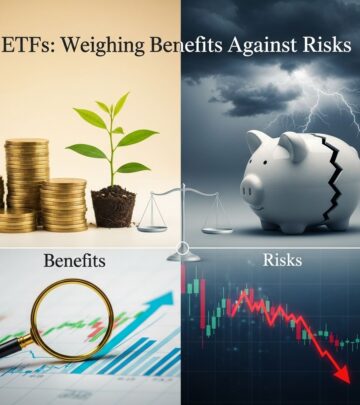
While ETPs offer substantial advantages, investors must understand the distinctive risks associated with different ETP categories. Market risk applies universally, as losses can occur within the normal market fluctuations affecting underlying holdings. However, specific ETP types carry additional risks that require careful evaluation.
ETNs and ETCs present issuer credit risk—the possibility that the sponsoring financial institution may default or become insolvent, potentially resulting in total investment loss without the investor protections available to ETF shareholders. Tracking error can occur when an ETP’s performance diverges from its stated benchmark, particularly in complex or leveraged products.
Leveraged ETPs represent a specialized category with particular risk considerations. The SEC has identified leveraged exchange-traded products as presenting significant risks to investors and potentially affecting market stability. Leveraged ETPs use derivatives and debt to amplify the daily returns of their underlying indices, typically by factors of 2x or 3x. While this amplification can enhance gains during favorable market movements, it can dramatically magnify losses during downturns. Additionally, leveraged ETPs have been found to exaggerate intraday momentum, though this momentum is typically rebalanced at the next trading day’s opening.
How ETPs Are Structured and Regulated
The regulatory framework governing ETPs varies significantly based on product type, reflecting the different risk profiles and investor protections offered by each structure. ETFs receive the most comprehensive regulatory oversight as registered investment companies subject to the Investment Company Act of 1940. This registration requires compliance with strict valuation, asset custody, and disclosure requirements designed to protect investor interests.
ETNs and ETCs operate under different regulatory frameworks. While they must register with the SEC under the Securities Act of 1933 and Securities Exchange Act of 1934, they do not receive the full protections of the Investment Company Act framework. This distinction explains why ETNs and ETCs expose investors to issuer credit risk—the institutions issuing these products are liable for performance rather than holding segregated assets on behalf of investors.
Regulatory authorities continue evolving oversight of ETPs, particularly complex or leveraged products. In October 2021, SEC Chair Gary Gensler warned that leveraged exchange-traded products present risks to market stability and called for tighter regulations on these complex products, noting that leveraged ETPs can pose risks even to sophisticated investors and potentially create system-wide risks during volatile market conditions.
Selecting the Right ETP for Your Investment Strategy
Choosing appropriate ETPs requires understanding your investment objectives, risk tolerance, and time horizon. For investors seeking broad market exposure with maximum safety and transparency, ETFs typically represent the optimal choice. The regulatory protections, daily disclosure of holdings, and lower cost structures make ETFs suitable for most retail investors.
ETNs and ETCs may be appropriate for sophisticated investors with specific objectives seeking exposure to commodities, currencies, or specialized indices not readily available through traditional ETFs. However, these investors must carefully evaluate issuer credit risk and confirm they fully understand the product structure and associated risks.
Leveraged and inverse ETPs should generally be reserved for experienced traders executing short-term tactical positions rather than buy-and-hold investors, given their daily rebalancing mechanics and tendency to diverge from index performance over extended periods.
The Growth of Exchange-Traded Products
ETPs have experienced remarkable growth over the past two decades, transforming the investment landscape. ETFs, in particular, have attracted trillions of dollars in assets as investors recognize their advantages over traditional mutual funds. The proliferation of specialized ETFs tracking specific sectors, themes, geographies, and investment strategies demonstrates the versatility of the ETP structure.
Exchange-traded products have also democratized access to asset classes previously available only to institutional investors or high-net-worth individuals. Commodity ETPs enable retail investors to build commodity allocations without navigating futures markets or taking physical delivery. Cryptocurrency ETPs, particularly in European markets, have provided regulated vehicles for digital asset exposure.
Frequently Asked Questions About ETPs
What is the difference between an ETF and a mutual fund?
ETFs trade throughout the day on stock exchanges with continuously updated prices, allowing intraday trading similar to stocks. Mutual funds are priced once daily and settled at the end of the trading day. ETFs typically have lower expense ratios and offer greater tax efficiency, while mutual funds may offer more active management and personalized advice options.
Are ETPs safe investments?
ETFs offer strong investor protections as registered investment companies, making them relatively safe from a structural perspective. However, all ETPs are subject to market risk affecting underlying holdings. ETNs and ETCs present additional issuer credit risk. The safety of any ETP depends on its specific structure, holdings, and your individual risk tolerance.
Can I trade ETPs during regular market hours?
Yes, ETPs can be bought and sold throughout regular trading hours, just like individual stocks. This intraday trading flexibility distinguishes ETPs from traditional mutual funds and allows investors to execute trades when market conditions align with their strategies.
What are leveraged ETPs and should I invest in them?
Leveraged ETPs use derivatives and debt to amplify daily index returns by factors of 2x, 3x, or beyond. These complex products are designed for short-term tactical trades, not long-term investing, as their daily rebalancing mechanics cause performance to diverge from underlying indices over time. Most retail investors should avoid leveraged ETPs.
How do ETCs differ from ETFs?
ETCs are structured commodity trusts holding physical commodities or commodity-linked derivatives, exposing investors to issuer credit risk. ETFs, as registered investment companies, offer greater regulatory protections. ETCs provide convenient commodity exposure but require careful evaluation of the sponsoring institution’s creditworthiness.
What should I consider before investing in ETNs?
Before investing in ETNs, carefully review the issuer’s credit rating, understand the specific performance tracking mechanism, and recognize that you bear full credit risk if the issuer defaults. ETNs are complex products that may not be suitable for most retail investors and require thorough analysis of offering documents.
Conclusion
Exchange-traded products represent a significant innovation in investment architecture, offering investors flexible, cost-effective vehicles for accessing diverse asset classes and investment strategies. The ETP category encompasses ETFs, ETNs, and ETCs, each with distinct characteristics, regulatory treatment, and risk profiles.
For most investors, ETFs represent the optimal ETP choice, combining accessibility, transparency, regulatory protections, and cost efficiency. However, sophisticated investors may find specialized ETNs or ETCs valuable for specific allocation objectives, provided they thoroughly understand the associated risks.
As the ETP landscape continues evolving, with regulators increasingly focused on complex and leveraged products, investors should prioritize understanding the specific structure, holdings, and risks of any ETP before committing capital. By aligning ETP selection with clearly defined investment objectives and comprehensive risk evaluation, investors can effectively leverage these powerful tools for portfolio construction and wealth management.
References
- Exchange-Traded Products (ETPs) — U.S. Securities and Exchange Commission, Investor.gov. 2024. https://www.investor.gov/introduction-investing/investing-basics/glossary/exchange-traded-products-etps
- Exchange-Traded Product — Wikipedia. 2024. https://en.wikipedia.org/wiki/Exchange-traded_product
- What is an Exchange-Traded Product (ETP) — BISON Academy. 2024. https://bisonapp.com/academy/en/lessons/what-is-an-etf
Similar Articles








Read full bio of Sneha Tete