Everyday Credit Card Use: Smart Strategy?
Discover if using credit cards for daily buys boosts your finances through rewards and credit building, while navigating risks like debt traps.

Charging daily expenses to a credit card can transform routine spending into opportunities for financial growth, provided you manage it wisely. This approach offers rewards, credit enhancement, and security features that debit cards or cash often lack, but it demands discipline to sidestep debt accumulation.
Why Shift Daily Spending to Credit Cards?
Many people reserve credit cards for emergencies or big-ticket items, yet incorporating them into everyday transactions unlocks hidden value. Groceries, fuel, subscriptions, and small indulgences become avenues for perks when paid via credit rather than debit or cash. The key lies in treating the card like debit—spending only what you have readily available to repay.
This strategy aligns with established financial practices. Regular, responsible use demonstrates reliability to lenders, fostering a stronger financial profile over time.
Key Advantages of Routine Credit Card Spending
Integrating credit cards into daily habits yields multiple benefits, each contributing to long-term financial health.
Strengthening Your Credit Profile
Consistent use of a credit card, paired with timely full repayments, is a proven method to develop a solid credit history. Payment records and balance management appear on your credit reports, influencing scores from models like FICO, where payment history holds the most weight.
Even modest monthly charges, such as $100 on essentials followed by immediate payoff, signal responsible behavior without necessitating large expenditures. This builds a track record that lenders value for future loans or credit lines.
Unlocking Rewards and Cash Back
Rewards programs turn ordinary purchases into tangible gains. Cash back, points, or miles accumulate faster on everyday categories like groceries or gas, especially with cards featuring bonus rates in those areas.
For instance, cards may offer elevated returns on dining or travel if aligned with your habits. Paying off balances monthly avoids interest, maximizing net rewards. Experts note that optimized usage can yield significant annual returns on unavoidable spending.
Enhanced Purchase Security and Protections
Credit cards provide layers of defense absent in debit transactions. Federal laws like the Fair Credit Billing Act limit liability for unauthorized charges to $50, often $0 with issuers. Extended warranties, return protections, and travel insurance add value to routine buys.
Debit fraud drains your account instantly, with recovery slower. Credit acts as a buffer, giving time to dispute issues.
Superior Fraud Prevention
Unlike cash, which offers no recourse if stolen, or debit, which risks immediate fund loss, credit cards enable quick issuer intervention. Zero-liability policies protect against theft, and transaction alerts help monitor activity in real-time.
Effortless Expense Monitoring
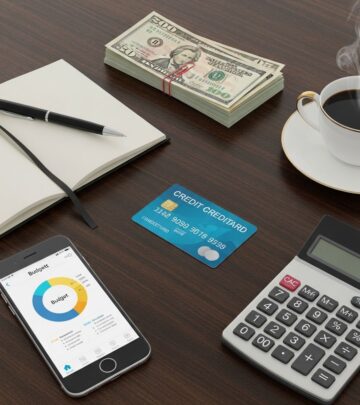
Credit card statements categorize spending automatically, simplifying budgeting. Apps from issuers or third parties like Mint import data for insights into habits, aiding couples or families in tracking shared costs without merged accounts.
Navigating the Downsides Effectively
While benefits abound, pitfalls loom for the undisciplined. Awareness and safeguards mitigate these risks.
The Overspending Trap
Credit’s intangible nature encourages impulse buys, potentially ballooning statements beyond repayment capacity. Unlike debit, which caps at your balance, credit invites excess.
- Set spending caps mirroring your budget.
- Review statements weekly to curb drifts.
- Use only for planned expenses.
Interest and Fee Burdens
Carrying balances triggers high APRs, often 20%+, compounding debt rapidly. Annual fees on premium cards require rewards justification.
| Risk Factor | Impact | Mitigation |
|---|---|---|
| Revolving Balances | Interest accrual | Pay in full monthly |
| High Utilization | Score drop | Keep under 30% |
| Late Payments | Fees and marks | Autopay minimum |
Credit Score Vulnerabilities
New applications trigger hard inquiries, dinging scores temporarily. High utilization—balance near limit—signals risk, comprising 30% of FICO scores. Aim below 30% across cards.
Fraud Exposure Points
More transactions heighten fraud risk, though protections offset this. Monitor alerts diligently.
Best Practices for Responsible Daily Use
Harness benefits while minimizing risks through disciplined habits.
- Autopay Setup: Enroll for minimum payments to avoid lates; manually pay full to dodge interest.
- Utilization Control: Pay mid-cycle if nearing limits; request increases cautiously.
- Card Selection: Match rewards to spending—grocery bonuses for foodies, travel for commuters.
- Budget Integration: Align card use with cash flow; treat as debit equivalent.
- Regular Reviews: Check scores monthly via free tools; adjust habits accordingly.
Choosing the Ideal Card for Daily Transactions
Select based on lifestyle. Flat-rate cash back suits variety; category bonuses maximize specifics.
| Card Type | Best For | Example Rewards |
|---|---|---|
| Cash Back | General spending | 2% all purchases |
| Bonus Categories | Groceries, gas | 5% select areas |
| Travel | Frequent trips | Miles on flights |
Compare no-fee options first; weigh annual fees against perks.
Frequently Asked Questions
Can daily credit use hurt my score?
Yes, if balances linger or payments lapse; no, with full, on-time payoffs and low utilization.
Are rewards worth the switch?
Often yes, for disciplined users—1-5% back on thousands yearly adds up substantially.
What if I can’t pay in full?
Stick to debit for now; build emergency funds first.
Debit vs. Credit: Which safer?
Credit, due to fraud buffers and disputes.
Multiple cards: Helpful or harmful?
Helpful for rewards diversification if managed; avoid excessive inquiries.
Long-Term Financial Impact
Years of responsible use yield higher scores, better rates, and reward hauls funding vacations or debt payoff. It instills spending awareness, curbing poor habits. However, for debt-prone individuals, cash/debit preserves peace.
Ultimately, credit cards amplify smart finances but punish carelessness. Assess your discipline before committing daily spends.
References
- Should You Use a Credit Card for Everyday Purchases? — Experian. 2023-10-12. https://www.experian.com/blogs/ask-experian/should-you-use-a-credit-card-to-make-day-to-day-purchases/
- Pros, cons of using credit cards for everyday purchases — CreditCards.com. 2024-05-15. https://www.creditcards.com/education/pros-cons-using-credit-cards-everyday-purchases/
- Pros and Cons Of Shopping With A Credit Card — Bankrate. 2025-02-20. https://www.bankrate.com/credit-cards/advice/pros-cons-shopping-credit-card/
- Why Should I Use a Credit Card for Purchases? — Citi. 2024-11-08. https://www.citi.com/credit-cards/money-management/reasons-to-use-credit-card-for-purchases
- Why Nearly Every Purchase Should Be on a Credit Card — NerdWallet. 2025-01-14. https://www.nerdwallet.com/credit-cards/learn/why-every-purchase-should-be-on-a-credit-card
Similar Articles








Read full bio of medha deb