Evaluating Full Coverage Insurance on Aging Vehicles
Discover when it makes financial sense to reduce or eliminate comprehensive and collision coverage on your older vehicle.
As vehicles age and their market value diminishes, many owners question whether maintaining full insurance coverage remains financially prudent. The decision to retain comprehensive and collision coverage on an older automobile involves weighing the vehicle’s current worth against ongoing premium expenses. Understanding the relationship between a car’s depreciated value and insurance costs can help drivers make informed decisions that align with their financial circumstances and risk tolerance.
Understanding Vehicle Depreciation and Insurance Value
Vehicle depreciation represents one of the most significant factors influencing whether full coverage insurance makes economic sense. As a car ages, its market value continuously decreases, which directly impacts the maximum amount an insurance company will pay in the event of a total loss. Insurance companies typically calculate payments based on the vehicle’s actual cash value, which represents its current market worth rather than its original purchase price.
Most automobile manufacturers provide warranty coverage for approximately ten years or up to 100,000 miles, after which owners must independently manage protection for their vehicles. As vehicles progress beyond this threshold, their replacement value in the insurance market becomes increasingly important to the cost-benefit analysis of maintaining optional coverages.
The depreciation curve varies based on several factors, including the vehicle’s make and model, overall condition, maintenance history, and current market demand for that particular vehicle type. A ten-year-old vehicle might retain only 20-30% of its original purchase price, while some specialty vehicles may depreciate at different rates.
Calculating the Financial Case for Coverage Reduction
Making the decision to drop or maintain full coverage requires performing a straightforward financial calculation. Compare your vehicle’s current depreciated value against the combined annual cost of your comprehensive and collision coverage premiums plus your selected deductibles. If the sum of one year’s premiums and your deductible approaches or exceeds the vehicle’s total value, maintaining those optional coverages becomes economically questionable.
For example, if your older vehicle is worth $4,000 and your annual comprehensive and collision premiums total $800 with a $500 deductible, the maximum you could receive from a total loss claim would be $4,000, while you’ve already committed $1,300 in annual costs. Over three years, you would pay $2,400 in premiums while potentially receiving only $4,000 in a claim scenario.
This calculation becomes even more favorable for dropping coverage when considering that most claims involve partial damage rather than total loss situations. If your vehicle is involved in a minor accident, you would pay your deductible regardless, potentially making the insurance protection less valuable for routine incidents.
Evaluating Your Vehicle’s Repair and Replacement Costs
Beyond simple value calculations, the actual cost to repair an older vehicle significantly influences coverage decisions. Some aging vehicles become expensive to repair due to the unavailability of replacement parts or the specialized labor required to service them. Vehicles from discontinued model lines or rare manufacturers may face particularly high repair costs because parts suppliers no longer stock components.
Conversely, common vehicles from popular manufacturers often benefit from abundant replacement parts availability and competitive repair pricing. A fifteen-year-old Honda Civic, for instance, typically costs less to repair than an older luxury vehicle, as repair shops maintain substantial inventories of parts and technicians possess extensive experience with the model.
Consider your vehicle’s specific repair history and regional repair market. If your area has multiple independent shops specializing in your vehicle type, repair costs may remain reasonable. If you rely on specialty dealerships or face geographic challenges in accessing repair services, comprehensive coverage becomes more valuable as protection against unexpected repair expenses.
Liability Coverage Requirements and Mandatory Protection
While comprehensive and collision coverage are optional for vehicles that are fully paid off, liability coverage remains mandatory in virtually all jurisdictions. Liability insurance protects you financially if you cause damage to another person’s property or injure someone in an at-fault accident. State minimum liability requirements typically range from $15,000 to $100,000 depending on your location.
Even when reducing or eliminating optional coverages on an aging vehicle, maintaining liability protection at or above your state’s legal minimum is essential. This fundamental protection shields your personal assets from claims arising from accidents you cause, regardless of your vehicle’s age or value.
Additionally, if you still owe money on your vehicle through a loan or lease agreement, your lender will require you to maintain comprehensive and collision coverage until the debt is satisfied. Only after you own the vehicle outright can you legally choose to drop these optional coverages.
Strategies for Reducing Insurance Premiums on Older Vehicles
If you decide to maintain some level of comprehensive or collision coverage, several strategies can reduce your monthly or annual premium expenses:
- Increasing your deductible is one of the most effective ways to lower premiums. Moving from a $250 deductible to $500 or $1,000 can substantially reduce insurance costs, though you accept greater out-of-pocket expenses if a claim occurs.
- Lowering your coverage limits on liability protection can decrease premiums, though this approach carries greater financial risk and is generally less recommended than increasing your deductible.
- Dropping optional coverages entirely provides the most significant premium reduction, though this eliminates protection against specific risks.
- Bundling multiple insurance policies with the same provider often qualifies you for multi-policy discounts that can meaningfully reduce your total insurance costs.
- Maintaining a clean driving record helps you qualify for and retain preferred customer rates over time.
Special Considerations for Different Vehicle Conditions
A vehicle’s mechanical condition and overall state of repair directly influence the insurance decision. A well-maintained older vehicle with low mileage, regular service records, and minimal cosmetic damage presents lower risk to insurance companies and may justify maintaining coverage. Such vehicles may still prove economically viable to repair after an accident, making insurance protection more valuable.
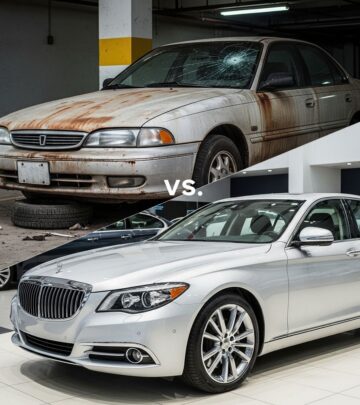
Conversely, an older vehicle in poor condition, with high mileage, known mechanical issues, or significant cosmetic damage represents diminished value. Comprehensive or collision coverage on such a vehicle may pay only minimal amounts after depreciation factors are applied, making the coverage cost disproportionate to potential benefits.
Consider whether your vehicle serves as your primary daily transportation or functions as a backup vehicle for occasional use. Primary vehicles receive more intensive use and face greater exposure to accidents, potentially justifying coverage retention. Backup vehicles used infrequently may warrant different coverage approaches.
Understanding Comprehensive Versus Collision Coverage Differences
Comprehensive coverage protects against non-collision damage such as theft, vandalism, weather-related damage, or hitting an animal. Collision coverage specifically addresses damage resulting from accidents with other vehicles or objects. These coverages serve different risk protection purposes and may warrant different decisions.
Comprehensive coverage typically costs less than collision coverage and protects against risks partially within your control through preventive measures such as secure parking and alarm systems. In some geographic areas with higher theft rates or severe weather exposure, comprehensive coverage may retain greater value even as vehicles age.
Collision coverage primarily addresses accident risk, which represents a more uncertain threat. For drivers with clean accident records and strong defensive driving skills, collision coverage becomes less statistically likely to generate claims, making premium costs harder to justify on aging vehicles.
Transitioning to Minimum Coverage Approaches
Rather than making an abrupt decision to drop all optional coverage, many owners follow a gradual approach. You might begin by dropping comprehensive coverage while maintaining collision protection, or vice versa. This transition strategy allows you to evaluate actual claim frequency and reassess coverage needs over time.
Some owners adopt a seasonal approach, maintaining full coverage during high-risk periods such as winter months in northern climates, then reducing coverage during seasons with lower accident frequency. This strategy provides flexibility while managing premium expenses throughout the year.
Setting a personal threshold value, such as “I will drop coverage when my vehicle’s value falls below $5,000,” provides a clear decision framework that removes emotion from the coverage evaluation process.
Classic and Collector Vehicle Insurance Distinctions
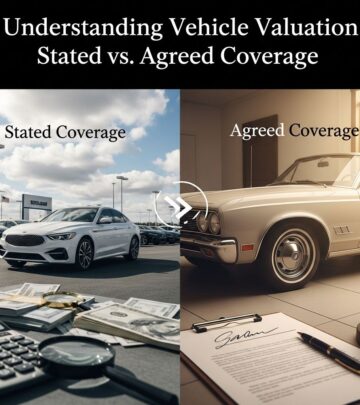
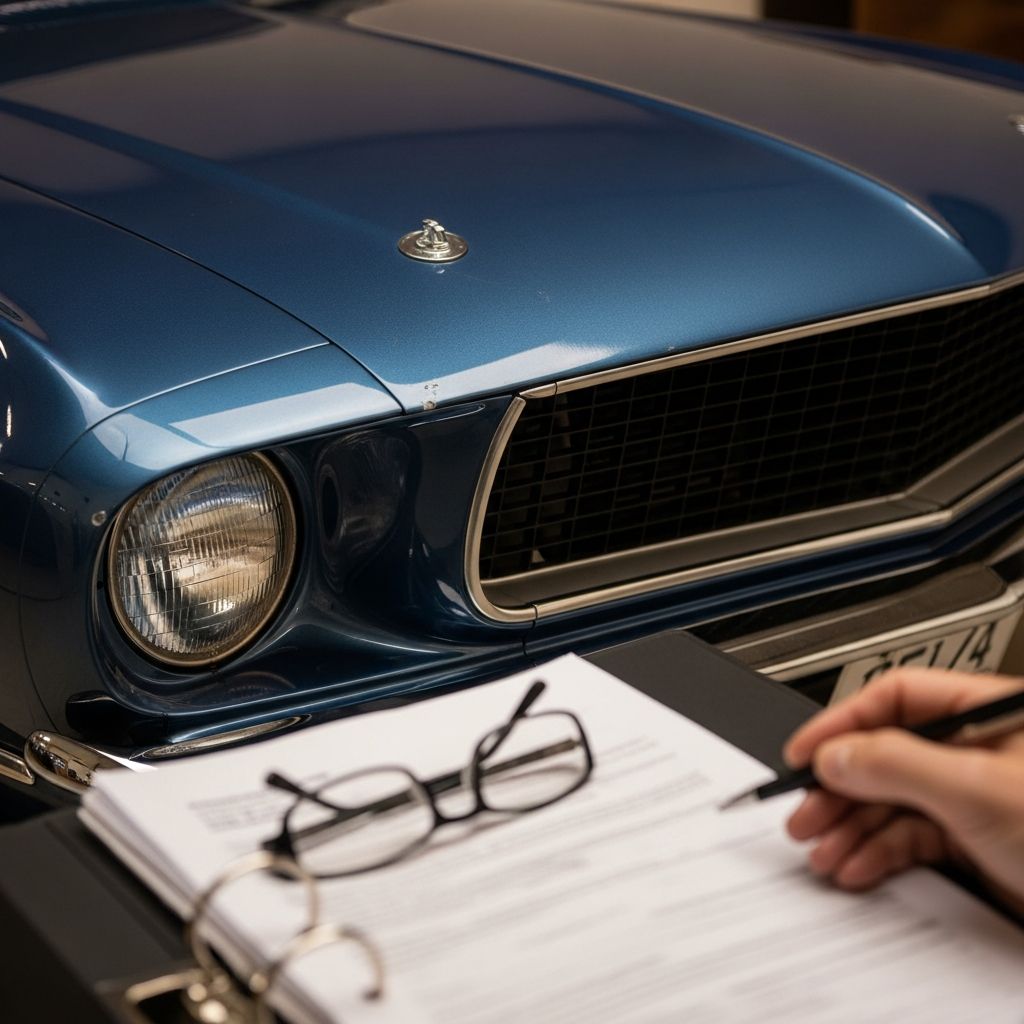
If your older vehicle qualifies as a classic or collector car, standard insurance policies designed for aging daily-use vehicles may not provide appropriate protection. Classic car insurance differs fundamentally by covering vehicles based on “agreed value” rather than depreciated actual cash value. Agreed value reflects the vehicle’s condition, restoration work, special features, and market demand for collectible vehicles.
Vehicles generally qualify for classic car insurance when they are twenty to thirty years old and possess collectible value that may exceed original purchase prices. Classic car insurance typically includes mileage restrictions, requiring secure storage and limited use for hobby purposes such as car shows or club activities. Such policies usually cost less than standard insurance despite providing superior coverage limits, making them an excellent option for appropriately qualifying vehicles.
Frequently Asked Questions
At what vehicle age should I consider dropping full coverage?
Vehicle age alone should not determine coverage decisions. Instead, focus on the vehicle’s current market value relative to your insurance premiums and deductibles. Most owners begin evaluating coverage reduction when vehicles reach 8-12 years old, but the appropriate timing depends entirely on your specific situation.
What happens if I drop collision coverage and get into an accident?
Without collision coverage, your insurance policy will not pay for accident-related damage to your vehicle, regardless of fault. You would be responsible for all repair costs from your personal funds. However, the other driver’s liability insurance may cover repairs if you were not at fault, depending on circumstances and their coverage limits.
Can I drop coverage on a financed vehicle?
No. Lenders require comprehensive and collision coverage as a condition of the loan. You can only drop these optional coverages after paying off the vehicle completely and owning it outright.
Does dropping coverage affect my insurance rates later?
Dropping optional coverage does not negatively impact your future insurance rates, as this decision is not reported to insurance databases. Your rates depend on driving history, accidents, violations, and the coverage you carry, not the coverage you previously dropped.
Should I consider gap insurance if dropping collision coverage?
Gap insurance becomes relevant only if you still owe money on your vehicle, which would prevent you from legally dropping collision coverage. For paid-off older vehicles, gap insurance becomes unnecessary.
Making Your Decision
The decision to drop full coverage insurance on an older vehicle ultimately depends on your financial situation, risk tolerance, and vehicle-specific factors. Performing the financial calculation comparing your vehicle’s value against annual insurance costs provides an objective foundation for this decision. Consider your vehicle’s condition, repair costs, and usage patterns alongside pure financial metrics.
Document your vehicle’s condition and value through professional appraisals if significant doubt exists regarding its current market worth. Review your insurance policy details carefully to understand exactly what coverage remains after any reductions. Reassess your coverage decision annually as your vehicle continues aging and depreciating.
Some owners find that hybrid approaches work best, maintaining certain coverages while dropping others based on specific risk profiles. Others prefer simplicity by either maintaining complete coverage or transitioning to liability-only protection. No single approach works universally; the optimal strategy reflects your individual circumstances and financial priorities.
References
- What’s the Best Coverage for Older Cars? — CarShield. 2024. https://carshield.com/education-center/2024/01/what-is-the-best-coverage-for-older-cars
- Insurance for Older Cars — Allstate. https://www.allstate.com/resources/car-insurance/older-car-insurance
- Auto Insurance For Older Cars — Progressive. https://www.progressive.com/answers/are-older-cars-cheaper-to-insure/
- Insurance for Older Cars: Here’s What You Need To Know — Bankrate. https://www.bankrate.com/insurance/car/insurance-for-older-cars/
- Insurance for Older Cars: Everything You Need to Know — Car and Driver. https://www.caranddriver.com/car-insurance/a35877281/insurance-for-older-cars/
- Car Insurance for Older Cars — Liberty Mutual. https://www.libertymutual.com/insurance-resources/auto/car-insurance-for-older-cars
- What Is Classic Car Insurance? — Allstate. https://www.allstate.com/resources/car-insurance/classic-car-insurance
- Classic, Collector & Vintage Car Insurance — Chubb. https://www.chubb.com/us-en/individuals-families/products/auto-insurance/classic-car.html
Similar Articles








Read full bio of Sneha Tete