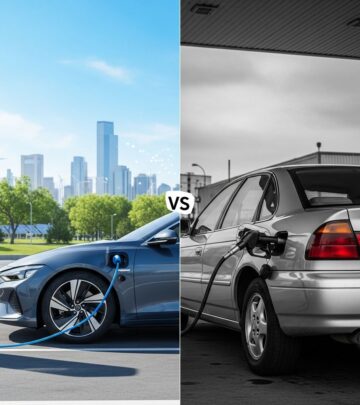
EV Maintenance: 5 Essential Checks For Longer Battery Life
Master electric vehicle upkeep with practical tips to extend battery life, cut costs, and ensure peak performance for years of reliable driving.
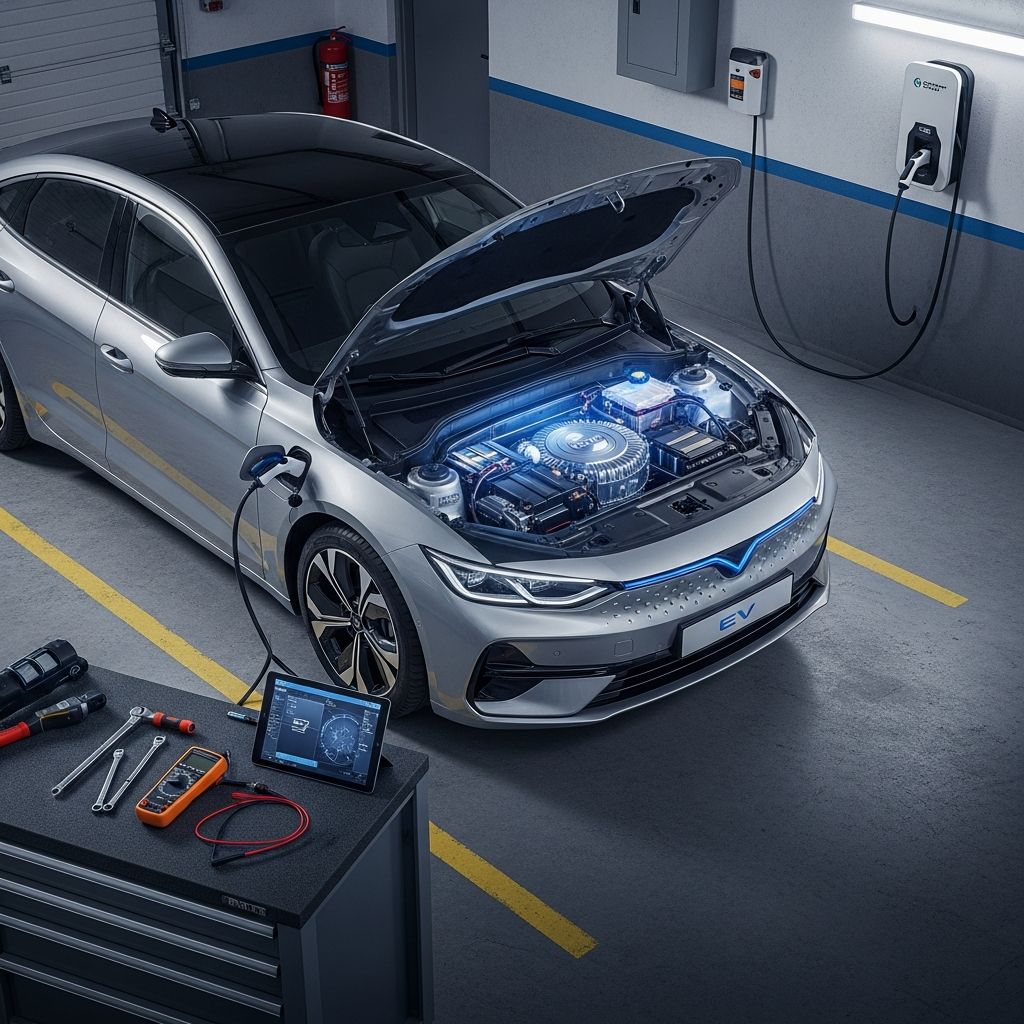
Electric vehicles demand a distinct approach to upkeep compared to traditional gas-powered cars, emphasizing battery preservation, tire condition, and software reliability over engine servicing. Proper care translates to lower long-term expenses and superior efficiency.
Why EV Upkeep Differs from Gas Cars
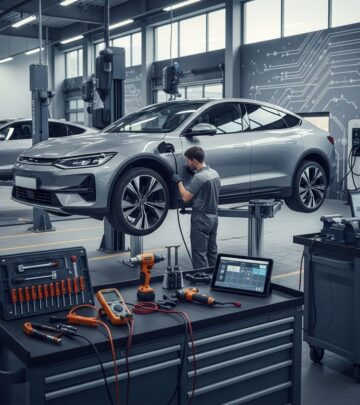
Unlike internal combustion engines with hundreds of moving parts prone to wear, EVs feature simple electric motors that rarely need attention. The focus shifts to supporting systems like regenerative braking, thermal management, and high-voltage components, which benefit from targeted inspections.
Owners often enjoy reduced service frequency, with regenerative braking extending brake pad life significantly. However, heavier battery weight accelerates tire wear, making rotations essential for safety and range.
Critical Components Requiring Regular Attention
Maintaining key areas ensures optimal operation and prevents costly repairs. Prioritize these elements based on mileage and time intervals.
- Tires: Rotate every 6,000-10,000 miles to counter uneven wear from EV weight. Select tires rated for electric vehicles to support load and enhance grip.
- Braking System: Inspect pads, rotors, and fluid annually. Regen braking reduces usage, but flush fluid every 2-3 years to avoid corrosion.
- Thermal Management: Check coolant levels and hoses periodically; replace per manufacturer schedule, often every 5 years.
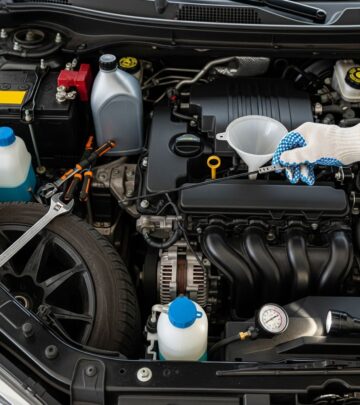
- Filters and Fluids: Swap cabin air filters yearly and monitor washer fluid. EVs lack engine oil, simplifying fluid checks.
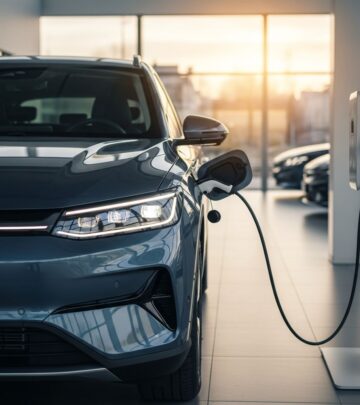
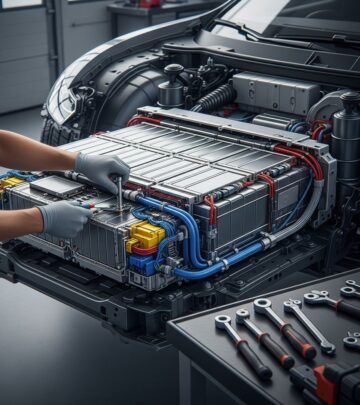
- High-Voltage Gear: Examine charge ports, cables, and seals during services. Firmware updates optimize charging.
Standard Service Schedules for Electric Vehicles
Follow these timelines to stay ahead of issues. Schedules vary by model, so consult your owner’s manual.
| Interval | Tasks |
|---|---|
| Every 6,000-7,500 miles | Tire rotation, tread inspection, wheel alignment check, basic suspension review. |
| Every 10,000-12 months | Full vehicle inspection: brakes, lights, wipers, 12V battery, software scan. |
| Every 2 years | Cabin filter replacement, brake fluid flush, coolant evaluation. |
| Every 3-5 years | Drive unit fluid change (if applicable), thermal system service, comprehensive battery diagnostic. |
Annual multi-point inspections at certified shops catch subtle problems early.
Preserving Battery Health and Longevity
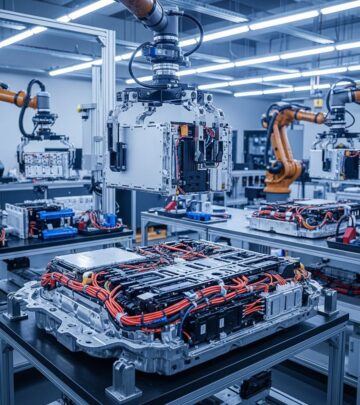
The battery pack defines EV value. Healthy management sustains range and resale worth.
- Charge to 80% daily; reserve 20-100% for trips. Avoid prolonged 0% or 100% states.
- Store at 50% if idle over two weeks; drive monthly to circulate fluids.
- Limit DC fast charging to necessities; prefer Level 2 home units for gentler cycles.
- Park in moderate temperatures; precondition in extremes via app.
Battery warranties often cover 8 years/100,000 miles at 70% capacity. Regular health checks via onboard tools or dealer scans track degradation.
DIY Tasks Every EV Owner Should Master
Many checks require no tools, empowering owners to save time and money.
- Monitor tire pressure weekly via dashboard display; maintain manufacturer PSI.
- Visual scan: Look for cable damage, fluid leaks, or body dings.
- Clean charge port gently; inspect 12V battery terminals for corrosion.
- Perform OTA software updates promptly for efficiency gains.
- Track mileage and services in a digital log for warranty claims.
Leave high-voltage work to professionals equipped for safety.
Evaluating Used EVs Before Purchase
Pre-owned models offer value but demand scrutiny to avoid hidden costs.
| Checklist Area | Key Checks |
|---|---|
| Service Records | Verify rotations, fluid changes, updates; note recall fixes. |
| Battery Status | Test full-charge range; request degradation report. |
| Physical Exam | Assess tire wear, suspension noise, port condition. |
| Warranty | Confirm remaining coverage; check transferability. |
| Charging Test | Validate Level 2 and DC compatibility. |
Opt for third-party inspections from EV-savvy mechanics.
Cost Comparison: EVs vs. Gas Vehicles
EVs shine in ownership economics despite upfront premiums.
- Annual Savings: No oil changes save $500+; brakes last 2x longer.
- Tire Expenses: Higher due to weight, but rotations prevent premature replacement.
- Service Total: EVs average 30-50% less over 5 years.
Factor insurance and home charging setup for full picture.
Professional Services for Optimal EV Performance
Certified technicians use specialized tools for diagnostics and repairs.
- Multi-point inspections evaluate 50+ items.
- Software flashes address bugs and add features.
- Custom maintenance plans align with driving habits.
Choose shops experienced in your model to avoid errors.
Frequently Asked Questions
What is the most important EV maintenance task?
Tire rotations top the list, as they directly impact safety, handling, and efficiency.
Do EVs need oil changes?
No, electric motors eliminate this need entirely.
How often should I check my EV battery?
Monitor via app daily; professional diagnostics annually.
Can I service my EV at any shop?
Prefer EV-trained facilities for high-voltage safety.
Does regenerative braking eliminate brake maintenance?
It reduces wear, but fluid and pad checks remain necessary.
Seasonal Considerations for EV Owners
Weather influences performance and upkeep needs.
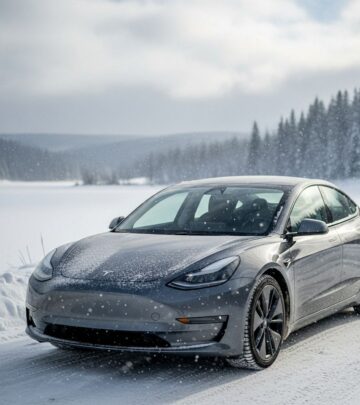
- Winter: Warm battery before driving; check traction aids.
- Summer: Shade charger; avoid heat-soak.
- Rainy Areas: Frequent underbody rinse to prevent corrosion.
Adapt charging to ambient conditions for best results.
Future Trends in EV Maintenance
Advancements promise even simpler care. Over-the-air capabilities expand, predictive analytics forecast issues, and solid-state batteries may extend intervals further. Stay updated via manufacturer apps.
References
- Electric Vehicle Maintenance: Simple 2025 EV Care Guide — Recharged. 2025. https://recharged.com/articles/maintenance-electric-vehicle-guide
- Electric Vehicle Care — Ford. 2025. https://www.ford.com/support/how-tos/electric-vehicles/electric-vehicle-maintenance/electric-vehicle-care/
- Meineke Electric Vehicle Care: Keeping Your EV in Top Condition — Meineke. 2025. https://www.meineke.com/blog/meineke-electric-vehicle-care-keeping-your-ev-in-top-condition/
- Electric Car Maintenance: Everything You Need to Know — Car and Driver. 2025. https://www.caranddriver.com/shopping-advice/a40957766/electric-car-maintenance/
- Maintenance and Safety of Electric Vehicles — AFDC.energy.gov. 2025. https://afdc.energy.gov/vehicles/electric-maintenance
Similar Articles








Read full bio of medha deb