EV Lease vs Buy: Smart Choice Guide
Discover if leasing or buying an electric vehicle fits your budget, lifestyle, and long-term goals in the evolving EV market.
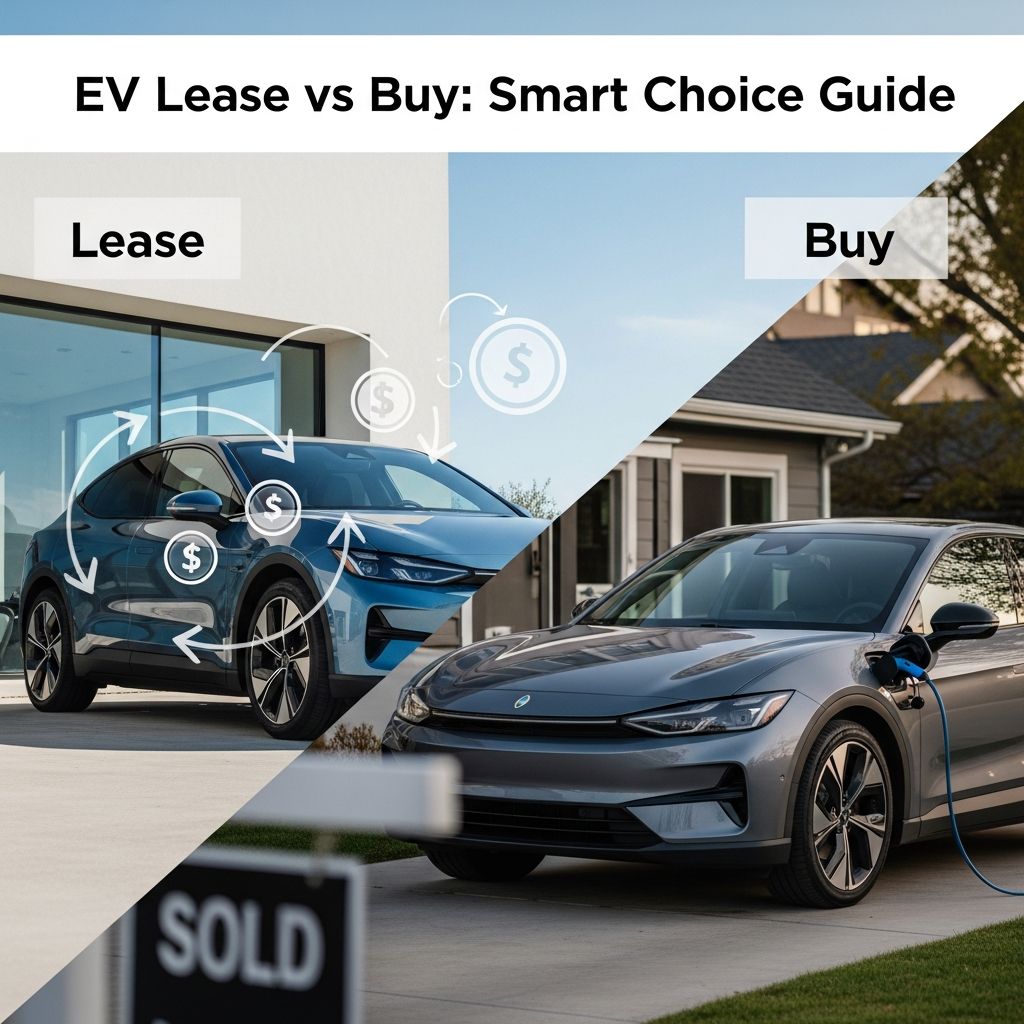
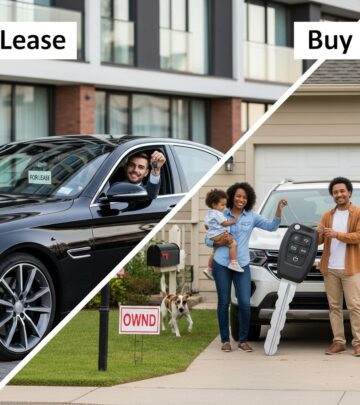
Deciding between leasing and buying an electric vehicle involves weighing financial implications, technology advancements, and personal driving patterns. Leasing often provides lower initial costs and access to cutting-edge models, while buying builds equity and offers unrestricted use over time.
Core Differences in EV Ownership Paths
Leasing an EV means paying for temporary use, typically over 2-4 years, after which you return the vehicle or buy it out. This structure suits those wanting frequent upgrades amid rapid battery and range improvements. Buying, conversely, grants full ownership after loan repayment, allowing indefinite retention without mileage limits or return conditions.
Electric vehicles differ from traditional cars due to high upfront prices offset by incentives and slower depreciation. Federal tax credits, like those under the Inflation Reduction Act, can reduce costs significantly, but eligibility varies by purchase method and manufacturer.
Financial Breakdown: Costs Side by Side
Leasing generally demands less upfront capital—often just a deposit, fees, and first payment—compared to buying’s larger down payments, especially for premium EVs. Monthly lease payments cover depreciation and interest, frequently lower than loan installments due to EVs’ projected residual values.
| Aspect | Leasing | Buying |
|---|---|---|
| Upfront Cost | Low (deposit + fees) | High (20-30% down typical) |
| Monthly Payment | $300-$600 avg. for EVs | $500-$800+ depending on loan |
| Total 3-Year Cost | Lower short-term | Higher initially, saves long-term |
| Equity at End | None (unless buyout) | Full ownership |
Over six years, buying often proves cheaper per Consumer Reports analysis, as back-to-back leases accumulate without asset accumulation. However, leasing shines for short-term affordability amid volatile resale values from tech shifts.
Advantages of Leasing Electric Vehicles
- Stay Ahead of Tech Curves: Rapid EV evolution—improved ranges, faster charging—makes 2-3 year cycles ideal for accessing superior models without resale risks.
- Battery Freshness: Avoid degradation concerns; warranties cover new leases fully, and returns sidestep long-term capacity loss from heavy use.
- Warranty Coverage: Standard 3-year/36,000-mile protections align perfectly with lease terms, minimizing repair outlays.
- Lower Barriers: Favorable credit yields minimal upfronts, ideal for testing EV lifestyle before commitment.
- Flexibility: End-of-term options include returning, buying at preset residual, or upgrading seamlessly.
Drawbacks of Leasing and When to Avoid
Leases impose strict mileage caps (10,000-15,000 annually), with overage fees around $0.25/mile, punishing high-mileage drivers. Excess wear, dents, or interior damage incurs charges per guides like BVRLA standards. No equity means restarting financially at term end, and early exits trigger penalties equaling remaining payments.
Benefits of Purchasing an EV Outright
- Long-Term Savings: Ownership eliminates recurring payments; post-loan, driving costs drop to electricity and minimal maintenance.
- No Restrictions: Unlimited miles, customizations (wraps, wheels), and retention for 10+ years suit commuters or families.
- Tax Credit Maximization: Buyers qualify for up to $7,500 federal credits if vehicles meet criteria, often non-transferable in leases.
- Equity Growth: Slower EV depreciation (40-49% by year three) builds value for trade-ins or sales.
- Freedom: Sell, gift, or modify without oversight.
Risks and Challenges of Buying EVs
Upfront costs challenge budgets, exacerbated by interest rates; poor credit inflates loans. Battery replacement post-warranty (after 7-8 years) could exceed $10,000, though rare before 100,000 miles. Resale uncertainty from tech leaps may undervalue older models.
Incentive Impacts on Your Decision
U.S. federal credits favor buying for direct $7,500 rebates on qualifying new EVs, but some leases pass credits via reduced payments. State rebates vary; Vermont programs support both paths. High interest rates in 2026 make short-term leases appealing to dodge long loans. Use tools like IRS qualifiers for eligibility.
Scenario-Based Decision Framework
Lease if: You drive under 12,000 miles/year, prioritize new tech, seek low entry costs, or plan 2-3 year ownership.
Buy if: High annual miles, desire customizations, long-term retention (5+ years), or maximize ownership equity.
Run personalized calculators considering credit score, local incentives, and fuel savings—EVs cut operating costs 50-70% vs. gas.
Common Pitfalls to Sidestep
- Ignoring total costs: Factor fees, insurance (higher for EVs), home charging setups ($500-$2,000).
- Mileage misjudgment: Track habits pre-commitment.
- Incentive oversight: Verify model eligibility yearly as rules evolve.
- Resale bets: Lessors absorb depreciation risks in leases.
Future Trends Shaping EV Finance
Battery breakthroughs promise 500+ mile ranges soon, accelerating lease appeal for upgrades. Solid-state tech may stabilize residuals, favoring buyers. Expect lease volumes to rise with 90%+ financed new cars in markets like UK. Policy shifts, like expanded credits, could tilt balances.
Frequently Asked Questions
Is leasing an EV cheaper overall?
Short-term yes for low-mileage users; long-term buying saves thousands per analyses.
Do EV leases include charging perks?
Some do; check for free public charging or home installer subsidies.
What if I exceed lease miles?
Pay $0.20-$0.30 per extra mile at end; negotiate higher caps upfront.
Are tax credits available for leases?
Manufacturers may apply them to lower payments, but buyers get direct refunds.
How does EV maintenance compare?
Lower for both paths—fewer parts—but leases cover warranty periods fully.
Final Thoughts on Your EV Path
Align choice with miles driven, budget, and tech appetite: lease for agility, buy for permanence. Consult advisors for tailored math amid 2026 dynamics.
References
- Leasing an Electric Car vs Buying: Which Is Better? — Pod Point. 2023. https://podenergy.com/guides/leasing-an-electric-car-vs-buying-which-is-better
- Leasing vs. Buying an Electric Car in 2026 — Kelley Blue Book. 2026. https://www.kbb.com/car-advice/lease-buy-electric-car/
- Is it better to lease or buy an electric vehicle? — Efficiency Vermont. 2023. https://www.efficiencyvermont.com/blog/how-to/is-it-better-to-lease-or-buy-an-electric-vehicle
- Considering an Electric Vehicle: Should You Buy or Lease? — Modera Wealth Management. 2023. https://moderawealth.com/considering-an-electric-vehicle/
- Buying or Leasing a Car in 2026: Which Make is Best for You? — Consumer Reports. 2026. https://www.consumerreports.org/cars/buying-a-car/leasing-vs-buying-a-new-car-a9135602164/
Similar Articles








Read full bio of Sneha Tete