EV Incentives 2026: Credits, Rebates, Chargers
Navigate the latest electric vehicle tax breaks, state rebates, and charger incentives available through mid-2026 to maximize your savings on green transportation.
Electric vehicles offer environmental benefits and cost savings, bolstered by government incentives that have evolved significantly by 2026. Federal programs under previous acts like the Inflation Reduction Act have phased out for vehicles, but charger credits persist, while new deductions and robust state rebates fill the gap. This guide details current opportunities, eligibility rules, and strategic tips for buyers.
Federal Landscape: What Changed and What’s Left
The primary federal EV tax credits for new vehicles, offering up to $7,500, ended on September 30, 2025, affecting sections 30D, 25E, and 45W of the tax code. Vehicles purchased before this date remain eligible for claims on 2025 tax returns filed by April 15, 2026. Used EVs could access up to $4,000, calculated as 30% of the sale price.
Point-of-sale transfers allowed instant discounts at participating dealers, requiring IRS Form 5900 confirmation. Post-deadline, no federal vehicle credits apply, shifting focus to states and a new framework under the One Big Beautiful Bill Act (OBBBA).
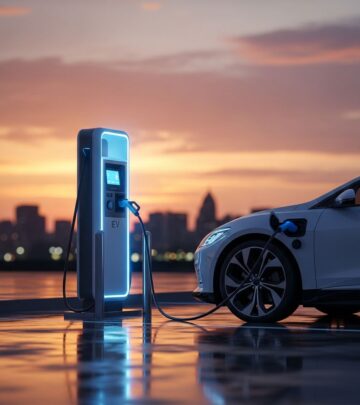
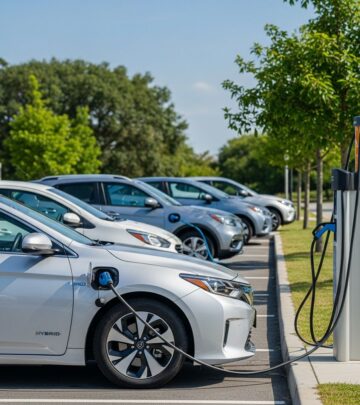
The Alternative Fuel Vehicle Refueling Property Credit (section 30C) endures until June 30, 2026, for chargers installed by then. This covers residential and commercial setups, reducing costs for home Level 2 chargers or business stations.
New OBBBA Deduction: Loan Interest Benefits
Replacing one-time credits, OBBBA introduces an annual tax deduction of up to $10,000 on interest for loans on American-made vehicles, including EVs, hybrids, and even gas models assembled in the U.S. This multi-year perk applies to 2026 purchases, making financing more affordable over time compared to the prior $7,500 lump sum.
| Feature | IRA Legacy Credit | OBBBA Deduction |
|---|---|---|
| Max Benefit | $7,500 one-time | $10,000/year |
| Vehicle Types | EVs, PHEVs only | EVs, hybrids, U.S.-made gas |
| Duration | Single payment | Multi-year via loan |
Eligibility hinges on loan terms and vehicle origin; consult IRS guidelines for Form 8936 retroactive claims on pre-2026 buys.
EV Charger Incentives: Install Before Deadline
Homeowners can claim 30% of costs for qualified chargers at primary residences in eligible census tracts—low-income areas (poverty ≥20%) or non-urban zones. Commercial installations get 6-30% up to $100,000 per unit, based on labor content.
Installation must occur before July 1, 2026, for tax credit eligibility. This incentivizes electrical upgrades, potentially boosting home value. Utilities often layer rebates, like PG&E’s $500 for equipment.
- Residential Cap: 30% of costs, no dollar limit specified for homes.
- Requirements: Charger operational by deadline; location in qualifying tract.
- Pro Tip: Verify tract status via IRS tools before starting projects.
State Rebates: Regional Savings Hotspots
With federal vehicle credits gone, states lead with diverse programs. California excludes advanced transport from taxes and offers utility rebates up to $4,000 for used EVs. Colorado provides charger exemptions and income-qualified rebates for vehicle swaps.
Connecticut’s CHEAPR program raised BEV rebates to $1,000 and PHEVs to $500 post-federal expiration, likely stable into mid-2026. New York rebates $500-$2,000 based on range, plus charger funds.
| State | Key Incentives |
|---|---|
| Arizona | Reduced AFV license tax |
| California | Tax exclusions, utility rebates up to $4,000 |
| Colorado | Charger tax exemption, swap rebates |
| Georgia | Charging station credit |
| Illinois | EV manufacturing credits |
Washington D.C. exempts EV title taxes; Louisiana supports green jobs credits. Always check state energy offices for updates, as funds deplete quickly.
Utility and Local Perks: Layered Discounts
Beyond taxes, utilities sweeten deals. Pacific Gas & Electric rebates charger gear and used EV buys. San Francisco offers up to $12,000 for low-income swaps to EVs or e-bikes ($7,500). California Air Resources Board provides $2,000 vouchers.
These stack with state programs, amplifying savings. Track via associations like California’s New Car Dealers for comprehensive lists.
Used EV Market Boom in 2026
Federal credit expiration depresses new EV prices, flooding used markets with bargains. Expect deals as leases end and early adopters sell, ideal for budget buyers eyeing pre-owned models still under warranties.
Eligibility Checklists: Buyer Essentials
New/Used EVs (Pre-2026 Purchases)
- Income under caps (e.g., $150K single, $300K joint).
- MSRP ≤$55K (sedans), $80K (SUVs/trucks).
- North American assembly, battery sourcing rules.
Chargers
- Primary residence or business.
- Eligible tract for homes.
- Placed in service by June 30, 2026.
OBBBA Deduction
- U.S.-made vehicle loan.
- Interest paid in tax year.
- Up to $10,000 deductible annually.
Strategic Planning for Maximum Savings
Act swiftly: File 2025 returns by April 15 for legacy credits; install chargers pre-July. Combine federal remnants, state rebates, utility perks, and OBBBA for totals exceeding $15,000. Used EVs shine in 2026 with market surplus.
Consult tax pros for personalized advice, especially multi-state moves or business use. Monitor IRS updates, as guidance evolves.
Frequently Asked Questions
Are federal EV tax credits available in 2026?
No, they expired September 30, 2025, but retroactive claims apply via 2025 returns. OBBBA offers loan interest deductions instead.
Can I get money for my home EV charger?
Yes, up to 30% via 30C credit if in an eligible tract and installed by June 30, 2026.
What states have the best EV rebates?
California, Colorado, New York, Connecticut lead with rebates from $500-$12,000, often income-based.
Does OBBBA help gas car buyers?
Yes, if U.S.-made; deduction covers EVs, hybrids, gas via loan interest.
Is now a good time for used EVs?
Absolutely—post-credit market glut lowers prices significantly.
Final Thoughts on Navigating 2026 EV Deals
Incentives pivot from upfront credits to deductions, rebates, and market dynamics. Research locally, layer benefits, and buy strategically to electrify affordably. (Word count: 1678)
References
- EV Tax Credit 2026: The One Big, Beautiful Bill Cutoff Deadline — SolarReviews. 2026. https://www.solarreviews.com/blog/ev-incentives
- How Do Electric Car Tax Credits Work in 2026? — Kelley Blue Book. 2026. https://www.kbb.com/car-advice/how-do-electric-car-tax-credits-work/
- Does the 2026 Tax Deduction for American-Made Vehicles Apply to… — Clean Energy CU. 2026. https://www.cleanenergycu.org/resources/blog/obbba-ev-tax-deduction-2026-guide/
- All the Incentive Changes Going Into 2026 — EV Club of CT. 2026. https://evclubct.com/all-the-incentive-changes-going-into-2026/
- Federal Tax Credits for EV Charging Infrastructure (30C) — Plug In America. 2026. https://pluginamerica.org/learn/federal-ev-tax-credits/ev-charging-infrastructure-30c/
- How Do Federal and State Incentives for EVs Work? Updated for 2026 — Capital One Auto Navigator. 2026. https://www.capitalone.com/cars/learn/getting-a-good-deal/how-do-federal-and-state-incentives-for-electric-cars-work/1944
- Clean vehicle tax credits — Internal Revenue Service (irs.gov). 2026. https://www.irs.gov/clean-vehicle-tax-credits
Similar Articles








Read full bio of Sneha Tete