Estate for Years: Leasehold Property Rights Explained
Master estate for years: Fixed-term leases, tenant rights, and landlord obligations.
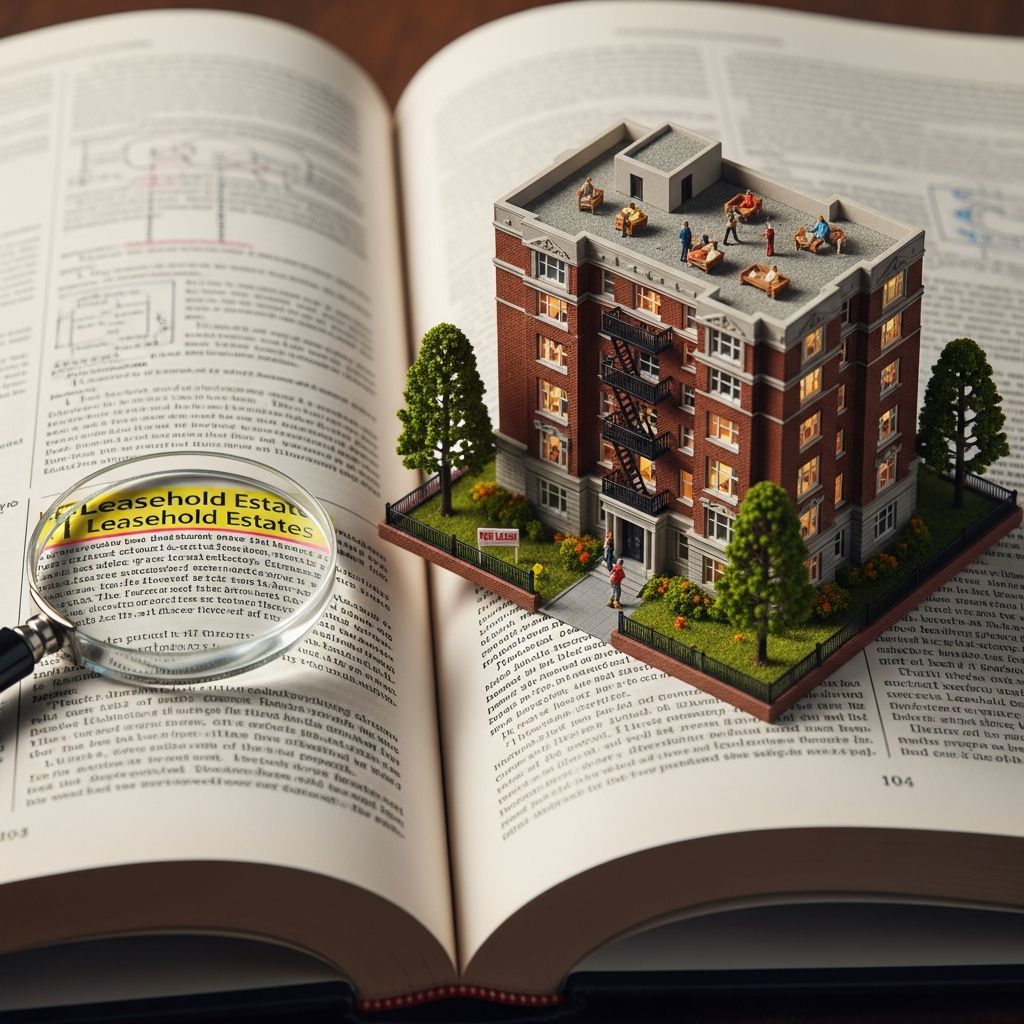
Understanding Estate for Years: A Complete Guide to Leasehold Estates
An estate for years represents one of the most common and straightforward forms of leasehold interests in real property. Despite its name suggesting a multi-year commitment, an estate for years can actually span any fixed duration—from a few days to several decades. This type of leasehold arrangement provides both landlords and tenants with clarity and certainty regarding their respective rights and obligations. Understanding the mechanics of estate for years is essential for anyone involved in real estate transactions, property management, or tenant relations.
What Is an Estate for Years?
An estate for years, also referred to as a tenancy for years or term of years tenancy, is a leasehold interest in real property that lasts for a fixed and specific period of time as agreed upon by both the landlord and tenant. The defining characteristic of this type of estate is the presence of a definite beginning date and a definite ending date, both established at the time the lease is executed. The lease agreement creates a contractual relationship wherein the tenant receives the right to possess and use the property exclusively for the duration specified.
The terminology can be somewhat misleading. The word “years” in the name does not necessarily indicate that the lease must last for years. An estate for years can be created for virtually any fixed period of time—whether it is measured in days, weeks, months, or years. What matters is not the length of the term but rather the definiteness of that term. Both parties must know precisely when the lease begins and when it will terminate.
One of the most significant advantages of an estate for years is that it automatically terminates upon the expiration date without requiring notice from either party. This contrasts sharply with other forms of tenancies, such as periodic tenancies or tenancies at will, where specific notice requirements must be followed to end the relationship. With an estate for years, the termination is automatic and predetermined.
Key Characteristics of Estate for Years
Understanding the defining features of an estate for years is crucial for both landlords and tenants navigating the leasing process.
Fixed Duration
The most fundamental characteristic of an estate for years is that it has a fixed, predetermined duration. The lease agreement must clearly specify both the commencement date and the termination date. This creates certainty for both parties regarding how long the tenancy will last. Unlike month-to-month or year-to-year agreements where the relationship can continue indefinitely until notice is given, an estate for years has a defined endpoint.
Automatic Termination
An estate for years automatically terminates when the lease period expires without requiring notice from either the landlord or tenant. Neither party needs to take affirmative action to end the relationship. The lease simply expires on the agreed-upon date, and the tenant’s possessory rights cease. This automatic termination is a significant distinguishing feature from periodic tenancies.
Exclusive Possession
During the lease term, the tenant has exclusive possession of the property. This means the tenant has the right to occupy and use the property to the exclusion of others, including the landlord (except as specified in the lease for legitimate purposes such as inspections or repairs). The tenant’s exclusive possession continues for the entire duration of the fixed term.
Written Agreement
An estate for years is typically established through a written lease agreement that is enforceable by the court system. The written contract specifies the terms and conditions governing the tenancy, including rent obligations, maintenance responsibilities, permitted uses, and any conditions for early termination or renewal. The clarity provided by a written agreement helps prevent disputes and misunderstandings between parties.
No Automatic Renewal
Unlike periodic tenancies that automatically renew unless notice is provided, an estate for years does not automatically renew. Upon expiration, the lease ends completely unless both parties agree to execute a new lease agreement. This gives both landlords and tenants an opportunity to reassess their situations and negotiate new terms if desired.
Estate for Years vs. Other Leasehold Estates
To fully appreciate the nature of estate for years, it is helpful to compare it with other types of leasehold interests.
| Characteristic | Estate for Years | Periodic Tenancy (Year-to-Year) | Tenancy at Will |
|---|---|---|---|
| Duration | Fixed, predetermined term | Repeating period (month-to-month, year-to-year) | Indefinite, continues at will |
| Termination | Automatic at end of term | Requires notice (typically 30-60 days) | Can be terminated by either party anytime |
| Notice Required | No notice needed | Yes, notice required | Generally no notice required |
| Renewal | No automatic renewal | Automatically renews each period | Continues indefinitely |
| Improvements | Tenant may make improvements | Limited improvements typical | Generally no improvements allowed |
| Tenant Investment | High (longer commitment) | Moderate | Low (uncertain duration) |
The distinction between estate for years and periodic tenancies is particularly important. A periodic tenancy, such as a month-to-month or year-to-year arrangement, does not have a definite ending date. Instead, it continues indefinitely until either the landlord or tenant provides proper notice of termination. In contrast, an estate for years has a fixed endpoint known to both parties from the beginning.
Rights and Responsibilities Under an Estate for Years
Both landlords and tenants have specific rights and obligations under an estate for years arrangement.
Tenant Rights and Responsibilities
Tenants under an estate for years receive the right to exclusive possession and use of the property for the duration of the lease term. They can typically occupy the property for residential, commercial, or industrial purposes as specified in the lease agreement. Many estate for years agreements permit tenants to make improvements to the property, such as adding structures, modifying landscaping, or constructing additional buildings like garages, barns, or tool sheds. This ability to invest in improvements is a significant advantage when compared to shorter-term periodic tenancies.
However, tenants are also responsible for paying rent as specified in the lease and for maintaining the property according to the terms of the agreement. Tenants must use the property in accordance with the lease provisions and local zoning regulations. They are expected to vacate the property at the end of the lease term unless a new agreement is negotiated.
Landlord Rights and Responsibilities
Landlords under an estate for years retain ownership of the property while granting the tenant temporary possessory rights. The landlord is entitled to receive rent payments as specified in the lease and to reclaim the property at the end of the lease term. Landlords typically retain the right to inspect the property and to enter it for legitimate purposes such as making repairs or conducting inspections, though such entry must be done in accordance with the lease terms and applicable law.
Landlords also have responsibilities, which typically include maintaining the property in habitable condition (where applicable under local law), making necessary repairs, and complying with building codes and housing regulations. The specific allocation of maintenance responsibilities between landlord and tenant should be clearly detailed in the lease agreement.
How Estate for Years Is Used in Practice
Estate for years leases are employed across various contexts in the real estate industry.
Residential Leasing
In residential contexts, estate for years arrangements are commonly used when landlords and tenants desire a longer-term, stable relationship. A tenant might lease a single-family home or apartment for a period of one to five years or longer. This provides the tenant with housing security and the landlord with a reliable income stream. Many residential leases are structured as estate for years to provide both parties with predictability.
Commercial and Industrial Leasing
Commercial and industrial properties are frequently leased using estate for years arrangements. A business might lease retail space, office space, or warehouse space for terms ranging from several years to decades. These longer-term arrangements allow businesses to establish themselves in locations with confidence and allow landlords to plan around established tenancy terms.
Agricultural Leasing
Agricultural properties are often leased under estate for years arrangements, particularly when significant improvements or investments in the land are contemplated. Farmers might lease land for crop production under multi-year agreements that provide stability and allow for proper crop rotation planning.
Legal Framework and Governance
Estate for years is governed by a combination of common law principles and statutory provisions that vary by jurisdiction.
General Legal Principles
An estate for years is created through a contract between the landlord and tenant. The lease must clearly specify the duration of the tenancy and define the rights and responsibilities of each party. Most jurisdictions recognize that a written lease is preferable to prevent disputes, and many require that leases for terms exceeding a certain length (often one year) must be in writing to be enforceable.
State-Specific Regulations
Individual states have enacted statutes governing leasehold estates. For example, under Florida law, estates for years are recognized as fixed-term leasehold interests governed by Chapters 83 and 689 of the Florida Statutes. The lease must specify the duration and terms, including rent, maintenance responsibilities, and conditions for early termination. Upon expiration, the lease ends automatically and the tenant must surrender possession unless a new agreement is executed.
Other states have similar statutory frameworks addressing the creation, enforcement, and termination of estate for years arrangements. Real estate professionals should be familiar with the specific statutes and regulations in their jurisdiction.
Advantages of Estate for Years
Estate for years arrangements offer several significant advantages for both landlords and tenants.
For Tenants
Tenants benefit from the stability and predictability of a fixed-term lease. They know exactly when their lease expires and can plan accordingly. The ability to make improvements to the property gives tenants incentive to invest in the premises. Long-term tenants can build equity through improvements and develop a sense of community. The fixed rent amount (assuming no escalation clauses) provides budget certainty.
For Landlords
Landlords benefit from the income certainty provided by a fixed-term lease with predetermined rent amounts. They can plan for property management and maintenance activities knowing the lease term. The ability to reclaim the property at a known future date provides an exit strategy. Longer-term tenants often provide more stable occupancy patterns.
Challenges and Considerations
While estate for years arrangements offer many benefits, certain challenges should be considered.
Limited Flexibility
The fixed term can be restrictive if circumstances change. A tenant facing financial hardship may find themselves locked into a lease, and early termination typically requires negotiation or breach of the agreement. Similarly, a landlord who wishes to sell or repurpose the property must do so subject to the existing lease.
Dispute Prevention
Clear lease agreements are essential to prevent disputes and facilitate proper property management during and after the term. Ambiguities or omissions in the lease can lead to disagreements regarding maintenance responsibilities, permitted uses, or termination procedures. Attorneys often recommend that comprehensive written agreements be prepared.
Frequently Asked Questions
Q: Can an estate for years be terminated early?
A: Generally, an estate for years cannot be terminated early unless both parties agree or the lease includes early termination provisions. Breach of lease terms by either party might provide grounds for early termination in some cases, but this typically requires legal action.
Q: What happens to improvements made by the tenant when the lease expires?
A: This depends on the lease agreement. Some improvements may become part of the property and remain with the landlord, while others (fixtures) might be removable by the tenant. The lease should specify how improvements will be handled upon termination.
Q: Is a written lease required for an estate for years?
A: While not always legally required for shorter terms, a written lease is strongly recommended for estate for years arrangements. Many jurisdictions require that leases exceeding one year be in writing to be fully enforceable.
Q: How does an estate for years differ from a periodic tenancy?
A: An estate for years has a fixed endpoint and terminates automatically, while a periodic tenancy renews automatically until notice is given. The key difference is the presence of a definite termination date in estate for years.
Q: Can rent increase during an estate for years lease?
A: Rent can only increase if the lease agreement includes escalation clauses allowing for increases. Otherwise, the rent remains fixed for the duration of the lease term as agreed upon at inception.
References
- Estate for Years – Legal Glossary Definition 101 — Barnes Walker. Accessed November 2025. https://barneswalker.com/legal-glossary/e/estate-for-years/
- Estate for Years in Real Estate: Definition & Examples — Study.com. Accessed November 2025. https://study.com/learn/lesson/estate-for-year-overview-examples-real-estate.html
- Estate for Years (Term of Years Tenancy): Definition, Examples, and Practical Applications — Past Paper Hero. Accessed November 2025. https://www.pastpaperhero.com/resources/us-legal-terms-real-property-estate-for-years
- Understanding Leasehold Estates: Estate for Years vs. Tenancy at Will — Edgewater Academy. Accessed November 2025. https://www.edgewateracademy.com/understanding-leasehold-estates-estate-for-years-vs-tenancy-at-will/
- Estate for Years vs. Periodic Estate: Definition & Examples — Study.com Academy. Accessed November 2025. https://study.com/academy/lesson/estate-for-years-vs-periodic-tenancy.html
- Chapter 9 – Leasehold Estates — RealEstateU. Accessed November 2025. https://realestateu.com/chapter-9-leasehold-estates/
Similar Articles








Read full bio of Sneha Tete