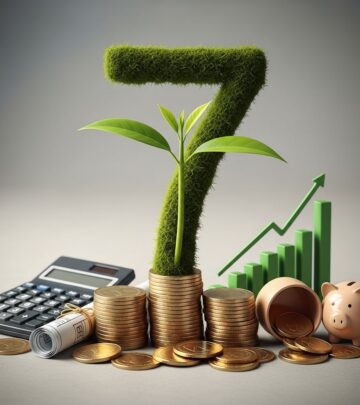
10 Ways to Establish Better Money Habits Today
Transform your finances with 10 actionable money habits you can start implementing today.

Financial goals often feel out of reach for the average person. Whether you’re dreaming of buying a home, affording a vacation, or retiring early, these aspirations can seem like distant dreams. However, accomplishing even the most ambitious financial goals starts with small, manageable changes. You don’t need a significant raise or a lottery win to improve your financial future. By implementing strategic money habits, you can set yourself on the path to achieving your goals.
The key to financial success lies not in drastic lifestyle overhauls but in building sustainable habits that gradually improve your relationship with money. Small adjustments compound over time, creating significant results. Here are 10 powerful ways to establish better money habits that can transform your financial trajectory.
1. Open a High-Yield Savings Account
One of the most popular and effective money habits is opening a high-yield savings account. While saving money is commendable, keeping your funds in a traditional checking or savings account means you’re earning minimal—or possibly zero—interest on your money. High-yield savings accounts offer significantly better interest rates, allowing your money to work harder for you.
By moving your savings to a high-yield account, you can earn substantially more on the same amount of money without taking on any additional risk. These accounts are FDIC-insured, making them a safe way to grow your savings. The difference in earnings can be significant over months and years, adding up to hundreds or even thousands of dollars in extra interest income.
2. Make a Monthly Budget You’ll Actually Use
Creating a budget is one thing; actually following it is another. Many people struggle with budget adherence because they create unrealistic plans that don’t align with their lifestyle and priorities. Life is unpredictable—your car maintenance budget might be exceeded by an unexpected tire replacement, or a missed flight might blow your vacation budget.
The secret to a sustainable budget is making one that feels reasonable for your specific circumstances. You shouldn’t follow the same budget as someone saving for a wedding if that doesn’t apply to your situation. Most effective budgets include three primary categories:
- Fixed expenses: Phone bills, car payments, rent or mortgage
- Variable expenses: Groceries, gas, utilities
- Discretionary spending: Entertainment and dining out
It’s nearly impossible to reach financial goals without understanding where your money goes each month. Once you’ve created a reasonable budget, commit to tracking your spending and adjusting as needed. The goal isn’t perfection—it’s awareness and gradual improvement.
3. Set Up Automatic Transfers to Savings
One of the easiest ways to develop better money habits is automating your savings. You can set up automatic transfers from your checking account to your savings account on payday or use budgeting apps that offer this feature. Once you’ve determined how much of your paycheck you can afford to save, automate the process and let it work in the background.
Automation removes the temptation to spend money before you save it. The transferred funds become “out of sight and out of mind,” making it easier to stick to your savings goals. As your income increases or financial situation improves, you can easily adjust the automatic transfer amount to save even more.
4. Plan Your Meals and Shop Smart for Groceries
Meal planning is one of the most effective ways to reduce unnecessary spending and establish better money habits. When you plan your meals in advance, you avoid impulse purchases, reduce food waste, and prevent the temptation to order expensive takeout. Cooking at home just four nights per week instead of ordering $40 takeout can save approximately $2,000 annually.
To maximize your grocery savings:
- Create a detailed shopping list before visiting the store
- Stick to your list to avoid impulse purchases
- Meal prep using freezer-friendly containers for later enjoyment
- Choose recipes where you already have ingredients on hand
- Buy store brands instead of name brands
- Look for bulk deals on non-perishable items
Be realistic about your meal planning. Don’t convince yourself you’ll eat the same meal seven days in a row if that’s not your style. Instead, choose meals you genuinely enjoy and that use ingredients you’ll actually consume before they spoil.
5. Pay Yourself First With Every Paycheck
“Paying yourself first” is a powerful personal finance philosophy that prioritizes savings over spending. Rather than saving whatever money remains after expenses, this approach reverses the order: put money into savings first, then allocate the remainder to bills and discretionary spending.
This habit works exceptionally well when combined with automatic transfers. By automating your savings transfers, you ensure that money is “paid” to yourself before you’re tempted to spend it elsewhere. This psychological shift—treating savings as a non-negotiable expense rather than an optional goal—can dramatically improve your financial results.
6. Use a Cash Back or Rewards Debit Card
If you’re conducting most of your spending with cash or debit cards without rewards, you’re missing valuable opportunities to earn money back on your purchases. Cash back and rewards cards are straightforward: they return a percentage of your spending as cash, travel miles, sign-up bonuses, or other perks.
To maximize this benefit, choose a rewards card that aligns with your primary spending category—whether that’s groceries, travel, dining, or general purchases. Use the card for purchases you were already planning to make, not as an excuse to spend more. When managed responsibly, rewards programs provide an easy way to earn extra money on everyday spending.
7. Make Small, Gradual Changes Rather Than Drastic Ones
Establishing better money habits doesn’t require a complete 180-degree turn in your lifestyle—unless that’s your preference. Gradual changes are often more sustainable than extreme overhauls. Consider the frog-in-boiling-water analogy: small, incremental increases in temperature go unnoticed, while sudden extreme heat causes panic.
If you currently dine out three times weekly, reduce it to once per week. If you can only save $10 from each paycheck, that’s a positive start—build from there over time. This measured approach prevents the deprivation that often leads to binge spending after restrictive periods. Sustainable habits develop gradually, creating lasting change rather than temporary shifts.
8. Track Your Expenses Consistently
Most people underestimate how much they spend each month, which is why expense tracking is foundational to better money habits. Use budgeting apps like Cleo or Monarch to connect your accounts and automatically categorize purchases, or maintain a low-tech spreadsheet if you prefer.
Even tracking expenses for a single week reveals surprising spending patterns. You might discover you’re spending $100 monthly on coffee without realizing it, or that subscriptions you forgot about are draining your account. Once you understand where your money goes, you can make intentional decisions about whether those expenses align with your priorities.
9. Use the 50/30/20 Budget Rule
The 50/30/20 budgeting method provides a simple, flexible framework for managing money without feeling overly restrictive. This approach divides your monthly income into three categories:
| Category | Percentage | What It Includes |
|---|---|---|
| Needs | 50% | Essential expenses like housing, utilities, groceries, and transportation |
| Wants | 30% | Discretionary spending like entertainment, dining out, and hobbies |
| Savings/Debt Repayment | 20% | Emergency funds, retirement accounts, and debt payoff |
This framework is forgiving enough to feel sustainable while ensuring you allocate sufficient funds to savings and financial goals. While your percentages might differ slightly based on your circumstances, the 50/30/20 rule provides an excellent starting point for building better money habits.
10. Consider a No-Spend Challenge
A no-spend challenge serves as a powerful reset for your money habits. By committing to purchasing only essentials for a set period—whether one week or one month—you break poor spending patterns and demonstrate that you can control your impulses.
During a no-spend challenge, focus on activities that cost little to nothing: use what you already have, enjoy free entertainment, and skip restaurants. Many people find that skipping restaurants for one month saves approximately $400. To maintain the challenge sustainability, allocate a small “fun budget” of $20-30 that allows you to enjoy occasional treats while still achieving significant savings.
Alternative approaches to no-spend challenges include establishing “no-spend days” each month (starting with five and working toward 15) or implementing a “swap, not shop” philosophy where you exchange goods and services with neighbors and friends without spending money.
Building Sustainable Money Habits
Establishing better money habits is less about restriction and deprivation and more about intentionality and awareness. The habits you build today shape your financial future. By implementing these strategies gradually and consistently, you’ll develop a healthier relationship with money that supports your goals and aspirations.
Remember that financial success is a journey, not a destination. Some months you’ll execute your plan perfectly; other months life will happen and throw your budget off course. The key is maintaining your commitment to these habits over time, adjusting when necessary, and celebrating small victories along the way.
Frequently Asked Questions
Q: How much money should I save each month?
A: Financial experts recommend saving 20% of your income, but any amount is better than nothing. Start with what’s feasible for your situation and gradually increase as your financial circumstances improve.
Q: Is a high-yield savings account safe?
A: Yes, high-yield savings accounts are FDIC-insured up to $250,000, making them safe repositories for your money while earning competitive interest rates.
Q: How long should a no-spend challenge last?
A: Start with a duration that feels manageable—one week or one month are common timeframes. You can extend the challenge or make it a permanent lifestyle change if it’s working well for you.
Q: Can I use credit cards for rewards and still build good money habits?
A: Yes, rewards credit cards can enhance money habits if you pay off the balance monthly and use them only for planned purchases. Treat them as tools to earn extra value, not reasons to spend more.
Q: What should I do if I can’t stick to my budget?
A: Reevaluate your budget to ensure it’s realistic for your lifestyle. An unsustainable budget will fail—your budget should support your life, not the other way around. Make adjustments and try again.
References
- 10 Ways to Establish Better Money Habits Today — The Penny Hoarder. 2024. https://www.thepennyhoarder.com/save-money/better-money-habits/
- How to Save Money: 25 Proven Tips That Actually Work — The Penny Hoarder. 2024. https://www.thepennyhoarder.com/save-money/how-to-save-money/
- How to Save Money in 2026 With a No-Spend Challenge — The Penny Hoarder. 2025. https://www.thepennyhoarder.com/save-money/no-spend-challenge/
- Personal Finance Education & Tips from Better Money Habits — Bank of America. 2024. https://bettermoneyhabits.bankofamerica.com/en
Similar Articles








Read full bio of Sneha Tete