Essential Soft Skills for Career Success
Master the critical soft skills employers seek to advance your career and workplace performance.

Essential Soft Skills for Career Success and Professional Growth
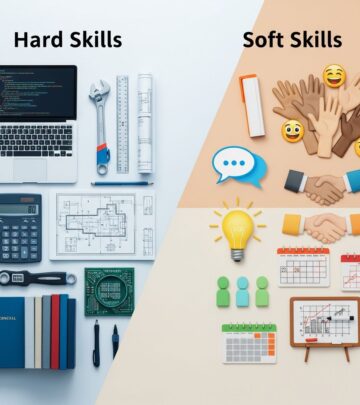
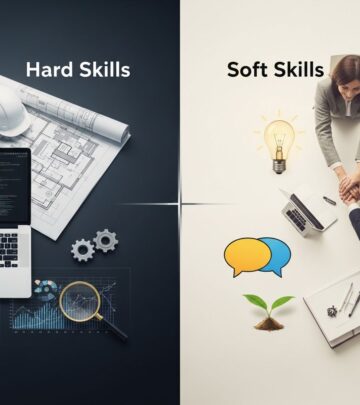
In today’s competitive job market, technical expertise alone is no longer sufficient to secure career advancement and professional success. Employers increasingly recognize that soft skills—the personal attributes and interpersonal abilities that enable individuals to interact effectively with others—are just as important, if not more so, than hard technical competencies. These skills transcend industry boundaries and are universally valued across organizations of all sizes and sectors.
Soft skills encompass a wide range of personal and professional competencies that influence how you work, communicate, and collaborate with colleagues and clients. From communication and teamwork to problem-solving and emotional intelligence, these abilities form the foundation of a productive and harmonious workplace. Understanding which soft skills matter most and how to develop them can significantly impact your career trajectory and earning potential.
Communication Skills: The Foundation of Workplace Success
Communication stands as one of the most essential soft skills in any professional environment. The ability to articulate ideas clearly, listen actively, and adapt your message to different audiences is fundamental to success across all industries and job levels.
Effective communication in the workplace involves multiple dimensions. Written communication ensures clarity in emails, reports, and documentation. Verbal communication encompasses presentations, meetings, and one-on-one conversations. Active listening—truly understanding what others are saying rather than simply waiting for your turn to speak—builds stronger relationships and prevents misunderstandings.
Poor communication can lead to costly mistakes, missed opportunities, and damaged relationships. When you communicate effectively, you ensure that expectations are clear, information flows smoothly, and collaborative efforts achieve better outcomes. Additionally, strong communicators often find it easier to influence others, negotiate favorable outcomes, and build professional networks that support long-term career growth.
Teamwork and Collaboration: Working Effectively With Others
The ability to work well with others has become increasingly important in modern organizations. Most business objectives require coordinated effort across multiple departments and teams, making collaboration a critical competency for professional success.
Effective teamwork involves several key components: willingness to contribute to shared goals, openness to diverse perspectives, and the ability to support colleagues even when priorities differ. Strong team players recognize that individual success is often achieved through collective effort and understand that helping others succeed ultimately benefits the entire organization.
Collaboration extends beyond simply completing tasks together. It requires building trust, managing conflicts constructively, and creating an environment where all team members feel valued and heard. Organizations that prioritize collaborative cultures consistently outperform those where employees work in silos, and individuals who excel at collaboration typically advance more rapidly within their organizations.
Problem-Solving and Critical Thinking Abilities
In fast-paced business environments, the ability to identify problems, analyze situations objectively, and develop effective solutions is highly valuable. Critical thinking—the capacity to evaluate information from multiple perspectives and make reasoned judgments—enables professionals to navigate complex challenges with confidence and competence.
Effective problem-solvers follow a structured approach: they clearly define the issue, gather relevant information, consider multiple solutions, and evaluate the potential consequences of each option before making a decision. This methodical approach prevents hasty choices that could prove costly and demonstrates maturity and professionalism.
Critical thinking also involves questioning assumptions, seeking alternative explanations, and remaining open to new information that might change your perspective. Professionals who demonstrate strong problem-solving skills earn respect from colleagues and leadership, often becoming go-to resources when difficult challenges arise.
Adaptability and Flexibility in Changing Environments
Workplace environments rarely remain static. Technology evolves, organizational structures shift, and business priorities change. The ability to adapt to new circumstances, learn new skills, and maintain productivity despite change has become essential for career longevity.
Flexible employees approach change with curiosity rather than resistance. They recognize that uncertainty presents opportunities for growth and development. Additionally, adaptability involves perspective-taking—understanding how situations appear through others’ eyes and recognizing that colleagues may have valid reasons for their viewpoints, even when those views differ from your own.
Cultivating flexibility requires developing a growth mindset and practicing resilience. When facing setbacks or unexpected changes, flexible professionals ask themselves questions like “What can I learn from this situation?” and “How can I use this challenge to develop new capabilities?” rather than viewing change as purely threatening.
Leadership and Influence Without Authority
Leadership skills extend beyond formal management positions. Many professionals influence outcomes and motivate others despite not holding official leadership titles. These individuals demonstrate initiative, take responsibility for outcomes, and inspire colleagues through their actions and attitude.
Influence in professional settings requires the ability to understand others’ perspectives, articulate compelling reasons for particular approaches, and build coalitions of support. When you want to advocate for an idea, successful influencers explain how their proposal benefits not just themselves but all stakeholders involved. They anticipate objections and address them thoughtfully rather than dismissively.
Leadership also manifests through emotional intelligence—the capacity to recognize and manage emotions in yourself and others. Leaders who understand their own emotional patterns and how they affect others build stronger relationships and create more positive work environments.
Resilience and Composure Under Pressure
Professional environments frequently involve high-pressure situations, tight deadlines, and challenging circumstances. The ability to remain composed, maintain focus, and bounce back after setbacks distinguishes high performers from their peers.
Resilience involves more than simply enduring difficulty; it means maintaining confidence in your ability to overcome challenges and thinking carefully about your objectives even when circumstances are stressful. Resilient professionals don’t view failures as permanent reflections of their capabilities but rather as temporary setbacks from which they can learn and improve.
Developing resilience involves building strong support networks, practicing self-care, maintaining perspective about challenges, and focusing on factors within your control rather than those you cannot influence. Over time, professionals who cultivate resilience find that they can handle increasingly complex and demanding situations with greater ease.
Negotiation Skills and Conflict Resolution
Professional relationships inevitably involve situations where different parties have competing interests or perspectives. The ability to negotiate effectively—reaching agreements that benefit all involved parties—prevents unnecessary conflict and often creates win-win outcomes.
Successful negotiators approach discussions with clear objectives but also genuine interest in understanding the other party’s needs and constraints. Rather than viewing negotiations as competitive situations where one side wins and the other loses, skilled negotiators seek solutions that satisfy the core interests of everyone involved.
Conflict resolution abilities complement negotiation skills. When disagreements arise, professionals skilled in conflict resolution address issues directly but diplomatically, focus on interests rather than positions, and work collaboratively toward mutually acceptable solutions. These abilities prevent small misunderstandings from escalating into major relationship damage.
Time Management and Organization
The ability to prioritize tasks effectively, manage competing demands, and meet deadlines consistently reflects professional maturity and reliability. Time management skills enable professionals to accomplish more while maintaining quality and reducing unnecessary stress.
Effective time management involves understanding which tasks have the greatest impact on organizational objectives, allocating appropriate time for complex projects, and managing interruptions without losing focus on priorities. Professionals who master these skills become known as dependable contributors who deliver results consistently.
Initiative and Responsibility Taking
Professionals who demonstrate initiative identify opportunities for improvement or problems that need addressing before being asked to do so. They take responsibility for outcomes and actively contribute to organizational success beyond their formal job descriptions.
Taking initiative requires careful judgment to avoid overstepping boundaries or doing work that belongs to colleagues. The goal is to recognize genuine opportunities where your contribution would be valued, not to assume responsibilities that should belong to others. Well-intentioned initiative gone awry can create tension with colleagues and supervisors.
How to Identify and Develop Your Soft Skills
Developing soft skills requires self-awareness and deliberate practice. Several approaches can help you identify which skills need development and take steps to improve them:
Self-reflection: Examine your reactions to workplace situations. When facing challenges, how do you typically respond? How do your approaches compare to managers or colleagues you admire? Honest self-assessment provides valuable baseline information for development.
Seek feedback: Ask colleagues, supervisors, and mentors to evaluate your strengths and weaknesses. External perspectives often reveal patterns you might not notice in yourself. Frame these requests as genuine efforts to develop professionally, making people more likely to provide honest, constructive feedback.
Interview preparation: Practice articulating examples of how you’ve demonstrated key soft skills. Prepare stories about times you solved problems, worked effectively in teams, or navigated challenging situations. This preparation helps you recognize these abilities in yourself and communicate them effectively to potential employers.
Professional development: Enroll in courses specifically designed to build soft skills. Many organizations offer workshops on communication, leadership, and collaboration. External training reinforces that you’re serious about development and provides structured frameworks for improvement.
Practice through hobbies: Skills developed in leisure activities often transfer to professional settings. Taking a cooking class teaches prioritization and working under pressure. Joining community groups develops social skills and networking abilities. Volunteering for leadership roles builds confidence and communication skills.
The Most In-Demand Soft Skills
Research consistently identifies certain soft skills as most valued by employers. According to LinkedIn’s analysis of hiring data, the most sought-after soft skills include communication, organization and time management, teamwork, punctuality, and critical thinking. Organizations recognize that professionals possessing these foundational abilities contribute disproportionately to organizational success and tend to advance further in their careers.
Frequently Asked Questions About Soft Skills
Q: Why are soft skills so important if technical skills are what you do the job with?
A: Technical skills determine whether you can do the job, but soft skills determine how effectively you work with others, how quickly you advance, and how much value you create. Most career advancement involves increased responsibility for people and outcomes, requiring strong soft skills. Additionally, technical skills become outdated relatively quickly, but soft skills remain valuable throughout your career regardless of industry changes.
Q: Can soft skills be learned, or are they personality traits you’re born with?
A: While personality influences how naturally certain soft skills come to different people, all soft skills can be significantly improved through deliberate practice and development. Someone naturally introverted might never become a natural public speaker, but they can absolutely develop communication and presentation skills that serve them well professionally. Like any skill, improvement requires awareness, practice, and often external feedback and coaching.
Q: How should I talk about soft skills in job interviews?
A: Rather than simply stating that you have strong communication skills, provide specific examples. Describe situations where you communicated effectively, faced challenges, or solved problems, explaining what you did and what resulted. Concrete examples are far more persuasive than generic claims and help interviewers understand how you actually demonstrate these abilities.
Q: Which soft skills should I prioritize developing first?
A: Start with communication, as it underlies and amplifies the impact of developing other skills. Strong communication helps you collaborate more effectively, influence others more persuasively, and navigate conflicts more successfully. From there, identify which skills would have the greatest impact on your specific role and career goals. Speaking with your manager or mentors about which skills would be most valuable can guide your development priorities.
References
- Top 10 soft skills you need to work in finance — Reed. https://www.reed.com/articles/top-10-soft-skills-you-need-to-work-in-finance
- Top 20 FP&A skills (10 hard skills & 10 soft skills) — Finance Alliance. https://www.financealliance.io/top-10-fp-a-skills-to-master/
- A list of soft skills you need for the workplace — University of Phoenix. https://www.phoenix.edu/blog/professional-soft-skills-for-the-workplace.html
- Learn Soft Skills — GoSkills. https://www.goskills.com/Soft-Skills
- Soft Skills Matter Now More Than Ever, According to New Research — Harvard Business Review. August 2025. https://hbr.org/2025/08/soft-skills-matter-now-more-than-ever-according-to-new-research
Similar Articles








Read full bio of medha deb