Essential Insurance Types Explained
Discover the key insurance policies every individual and business needs to safeguard their future against unforeseen risks.

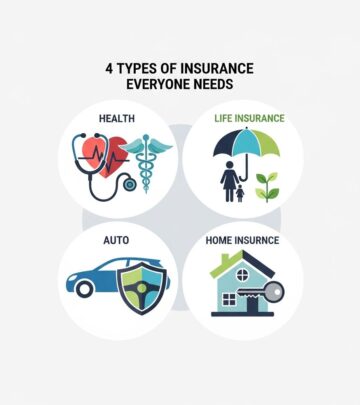
Insurance serves as a critical safety net, transferring financial risks from individuals and businesses to insurers in exchange for regular premiums. Understanding the various policies available empowers better decision-making for protecting health, property, income, and liabilities. This guide delves into major categories, their coverages, and practical considerations for selection.
Why Insurance Matters in Modern Life
Unexpected events like accidents, illnesses, or disasters can lead to substantial financial burdens. Policies mitigate these by covering costs such as medical bills, repairs, or lost income. According to official guidelines, every insurance contract includes key elements: a declaration page outlining coverage details, insuring agreements defining protections, exclusions listing non-covered items, and conditions specifying policy terms. Selecting appropriate coverage requires assessing personal circumstances, state mandates, and budget constraints.
Vehicle Protection: Auto Insurance Fundamentals
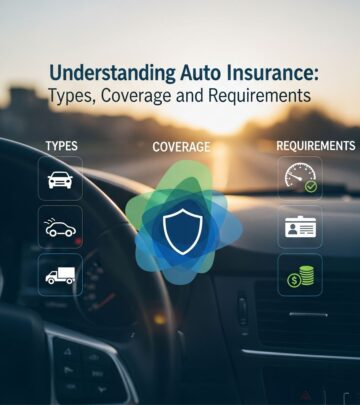
Auto insurance is legally required in nearly all U.S. states, shielding drivers from costs related to accidents, theft, or damage. Core components include liability coverage, which pays for injuries or property damage caused to others; collision coverage for your vehicle’s repairs regardless of fault; and comprehensive coverage for non-collision incidents like theft, fire, or hail. Additional options like uninsured motorist protection and medical payments enhance security. Premiums vary based on driving history, vehicle type, and location, with safe drivers often qualifying for discounts.
- Liability: Covers legal obligations to third parties.
- Collision: Repairs your car after at-fault crashes.
- Comprehensive: Handles theft, vandalism, or natural events.
Shop around for quotes, as rates can differ significantly among providers.
Safeguarding Your Residence: Property Insurance Options
Homeowners insurance protects the structure, personal belongings, and liability risks associated with your property. It typically covers perils like fire, windstorms, and burglary, but excludes floods or earthquakes, which require separate policies. Renters insurance mirrors this for tenants, focusing on personal items and liability without structural coverage. Key features include dwelling coverage for rebuilding costs, personal property limits, and loss of use for temporary housing during repairs.
| Policy Type | What It Covers | Ideal For |
|---|---|---|
| Homeowners | House structure, belongings, liability | Property owners |
| Renters | Personal items, liability | Apartment dwellers |
Annual reviews ensure coverage matches current home values and possessions.
Healthcare Coverage: Health and Supplemental Plans
Health insurance covers medical services from routine checkups to hospitalizations and prescriptions, essential for managing escalating healthcare expenses. Plans vary by network (HMO, PPO), deductibles, and copays. Supplemental policies like dental, vision, hospital indemnity, critical illness, and accident insurance fill gaps. Critical illness pays lump sums for diagnoses like cancer or heart attacks, usable flexibly. Cancer-specific plans target treatment costs, while accident coverage handles injury-related expenses.
- Dental/Vision: Preventive and corrective procedures.
- Hospital Indemnity: Daily cash benefits for inpatient stays.
- Critical Illness: Payouts for severe conditions.
Government programs like Medicare provide baseline coverage for seniors, with options for supplemental Medigap.
Income Protection: Disability and Long-Term Care
Disability insurance replaces a portion of income if illness or injury prevents work, vital since health issues affect earning potential across all professions. Short-term plans cover weeks to months; long-term extends years or to retirement. Social Security Disability Insurance (SSDI) offers government support, but private policies provide higher benefits with fewer restrictions. Long-term care insurance addresses nursing home or in-home assistance for chronic conditions, increasingly relevant with aging populations.
Policies often feature elimination periods (waiting times) and benefit caps. Employer-sponsored group plans are common starters, but individual policies offer portability.
Family Security: Life Insurance Varieties
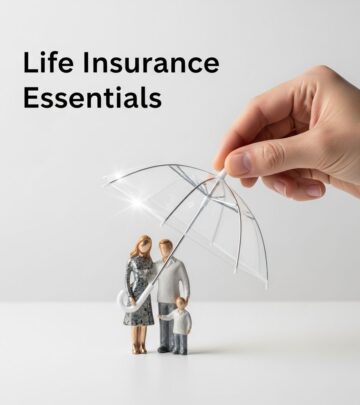
Life insurance ensures dependents receive funds upon the policyholder’s death, covering debts, education, or living costs. Term life offers affordable, temporary protection (e.g., 10-30 years). Permanent options like whole life provide lifelong coverage with cash value accumulation; universal life allows flexible premiums; variable universal ties to investments. Burial insurance focuses on final expenses.
| Type | Duration | Cash Value |
|---|---|---|
| Term | Limited period | No |
| Whole | Lifetime | Yes |
| Universal | Lifetime | Flexible |
Calculate needs using income multiples (10-15x annual salary) plus specific obligations.
Business Risk Management: Commercial Policies
Businesses face unique exposures, addressed by commercial insurance. Business Owner’s Policies (BOPs) bundle property, liability, and business interruption for small firms. Commercial General Liability (CGL) handles third-party claims, available as occurrence (covers incidents during policy term) or claims-made (covers reported claims). Workers’ compensation is mandatory for employees, covering job-related injuries. Other needs include professional liability (errors/omissions), cyber insurance, and employee benefits like group health.
- BOP: All-in-one for small businesses.
- CGL: Bodily injury, property damage claims.
- Workers’ Comp: Employee injury/illness.
Loss-sensitive plans adjust premiums based on claims history for larger operations.
Specialized Protections: Beyond the Basics
Umbrella insurance extends liability limits across auto, home, and other policies, crucial for high-value lawsuits. Pet insurance covers veterinary bills from accidents to wellness. Travel insurance protects trips against cancellations, delays, or medical issues. Special events policies safeguard weddings or festivals from liabilities or weather disruptions. These niche options customize protection for specific lifestyles.
Choosing and Managing Your Policies
Evaluate needs by inventorying assets, debts, and dependents. Compare quotes from multiple carriers, considering deductibles, limits, and riders. Read policies thoroughly for exclusions. Bundle policies for savings, and update annually. Work with agents for tailored advice, especially for complex business needs.
Frequently Asked Questions
What is the most important type of insurance?
Health insurance tops the list due to high medical costs, followed by auto and home based on legal requirements and asset values.
How much life insurance do I need?
Aim for 10-15 times your annual income, plus education and debt coverage.
What’s the difference between term and whole life?
Term is temporary and cheaper; whole is permanent with investment features.
Do I need renters insurance?
Yes, it protects your belongings and liability cheaply.
Can I get insurance for my business as a sole proprietor?
Absolutely, with BOPs or general liability tailored to small operations.
What does umbrella insurance cover?
Excess liability beyond standard policy limits.
References
- A Comprehensive Guide to Different Types of Insurance — HFC Benefits. 2023. https://hfcbenefits.com/a-comprehensive-guide-to-different-types-of-insurance/
- Different Types of Insurance: Coverage Options Explained — MetLife. 2024-10-15. https://www.metlife.com/stories/benefits/types-of-insurance/
- 7 Types of Insurance Policies You Do and Don’t Need — Edelman Financial Engines. 2023. https://www.edelmanfinancialengines.com/education/insurance/insurance-policies-types/
- A Comprehensive Guide: 6 Different Types Of Insurance — Gordon Tredgold. 2024. https://gordontredgold.com/a-comprehensive-guide-6-different-types-of-insurance-and-how-to-choose-right-one/
- The Different Types of Insurance — Edvisors. 2023. https://www.edvisors.com/money-management/risk-management/insurance/
- Types of Policies — Insurance Information Institute. 2025-01-20. https://www.iii.org/publications/commercial-insurance/what-it-does/types-of-policies
- Understanding Your Insurance Policy — SC Department of Insurance. 2024. https://doi.sc.gov/957/Understanding-Your-Insurance-Policy
Similar Articles








Read full bio of medha deb